As automation & controls converge, industrial equipment needs clearer specifications
Automation and controls are becoming a specification issue
As automation & controls converge, industrial equipment decisions are moving beyond individual components and into system architecture. A modern machine or process line must sense conditions, execute reliable control logic, exchange data with supervisory systems and remain secure throughout its life cycle. For buyers, engineers and plant teams, that makes the specification of PLCs, HMIs, drives, sensors, networks and retrofit packages more important than ever.
The practical shift is clear: automation can no longer be treated as an add-on after the mechanical design is finished. Control hardware, software, network segmentation, data models, operator interfaces and maintenance access now influence uptime, safety, cybersecurity exposure and future upgrade costs. For readers following the broader automation and controls market, the key question is not simply whether equipment is automated. It is whether the control architecture can be integrated, maintained and protected over time.
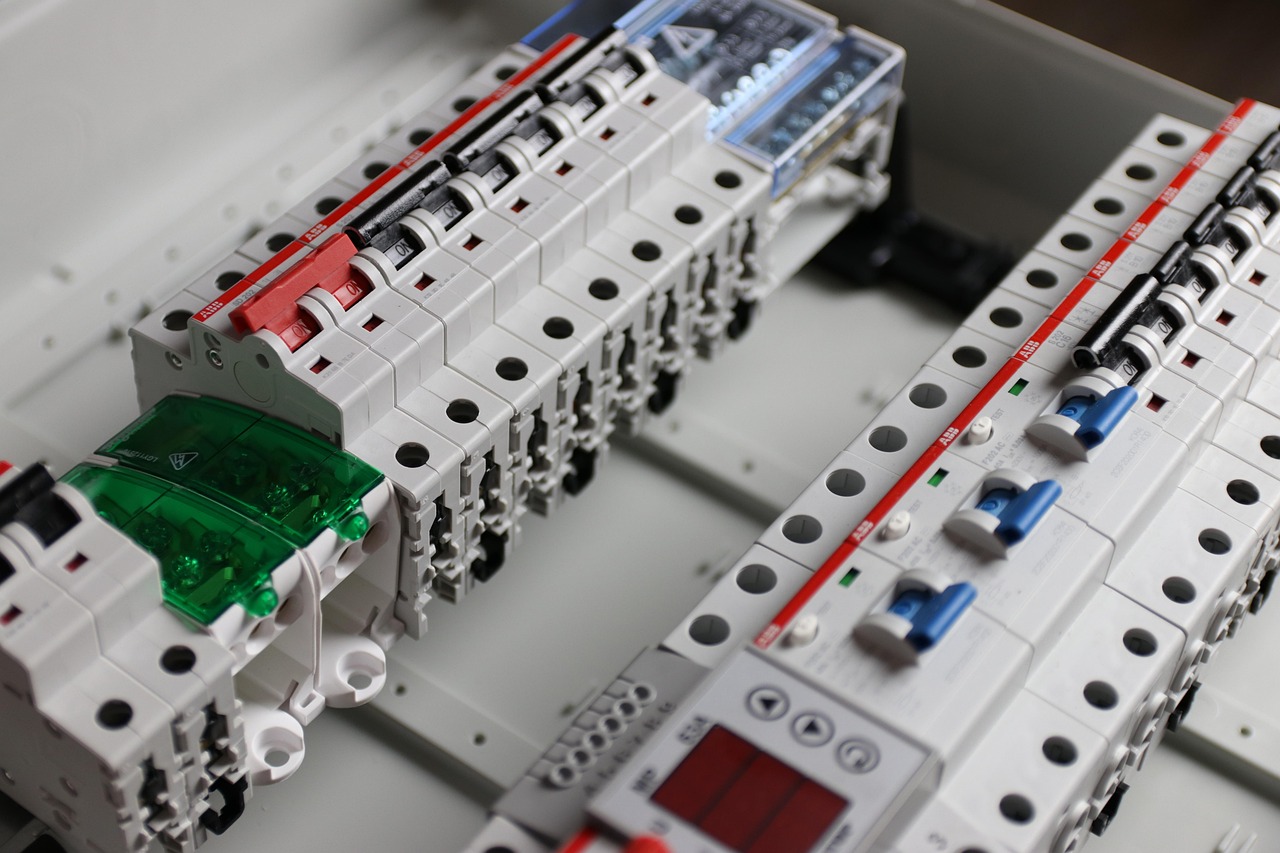
Public standards and guidance from organizations such as ISA, IEC, NIST and the OPC Foundation point in the same direction. Industrial automation and control systems are becoming more connected, more data-driven and more dependent on disciplined engineering choices. This article summarizes the main design implications for equipment buyers, integrators and plant managers as of October 31, 2026.
What an industrial automation and control system includes
An industrial automation and control system is not a single device. It is a layered arrangement of field instruments, controllers, operator interfaces, industrial networks, supervisory software and business-system connections. The exact design varies across discrete manufacturing, batch production, utilities, building automation and continuous process industries, but the functional layers are broadly similar.
| Layer | Typical components | Main specification concern |
|---|---|---|
| Field level | Sensors, actuators, valves, motors, drives and safety devices | Signal quality, environmental rating, response time and maintainability |
| Control level | PLCs, DCS controllers, PACs, motion controllers and safety controllers | Deterministic control, I/O capacity, programming standard and life-cycle support |
| Supervisory level | HMI, SCADA, historians and alarm systems | Operator visibility, alarm rationalization, data logging and access control |
| Operations level | MES, batch management, quality systems and maintenance platforms | Production context, traceability, scheduling and performance analysis |
| Enterprise level | ERP, reporting, planning and supply chain systems | Data governance, integration boundaries and cybersecurity exposure |
The ISA-95 framework, also published in the IEC 62264 family, is often used to describe the relationship between manufacturing control functions and enterprise functions. For equipment specifications, its value is practical: it gives teams a common vocabulary for deciding where data should be generated, where it should be transformed and which systems should be allowed to exchange it.
This matters during procurement. A standalone skid, packaging machine or process unit may run well locally but still create integration problems if it lacks standard data interfaces, documented tag structures, secure remote access rules or clear ownership of alarms and recipes. In connected plants, the automation package must be evaluated as part of the production system, not only as part of the machine.
Standards are shaping modern control choices
Standards do not replace engineering judgment, but they reduce ambiguity when multiple vendors, contractors and departments are involved. They also make equipment proposals easier to compare because the buyer can specify functional expectations instead of accepting each supplier’s proprietary interpretation.
Several standards and guidance documents are especially relevant to current automation and controls projects:
- ISA-95 and IEC 62264 help define the interface between enterprise systems and manufacturing control systems. They are useful for MES integration, production reporting and data-model discussions.
- ISA/IEC 62443 provides a widely used cybersecurity framework for industrial automation and control systems. It is especially relevant when equipment needs remote support, segmented networks, user management or secure update practices.
- NIST SP 800-82 Revision 3, published in September 2023, gives guidance for operational technology security and explains how OT differs from conventional IT because physical processes, safety and availability are central requirements. NIST also noted in 2026 that a draft Revision 4 was open for public comment until November 30, 2026.
- IEC 61131-3 remains a key reference for PLC programming languages such as ladder diagram, structured text, function block diagram and sequential function chart. The standard helps maintain consistency across control platforms, even though each vendor’s engineering environment differs.
- OPC UA and IEC 62541 support secure, structured information exchange across industrial devices and software systems. For equipment buyers, OPC UA is often relevant when data must move from controllers or edge devices into SCADA, MES, analytics or cloud-connected applications.
The specification lesson is not to list every standard in every purchase order. Teams should decide which standards apply to the asset, the industry risk profile and the integration scope. A simple motor control panel does not need the same data model as a multi-site production platform, but both may need documented wiring, safe isolation, user access rules and maintainable control logic.
Integration value now depends on interoperability and data context
Many plants already collect large amounts of equipment data. The harder problem is making that data useful without weakening reliability or security. A temperature reading, fault code or motor current value has limited value unless the receiving system understands where it came from, what operating state it represents and how it relates to production, quality or maintenance decisions.
That is why interoperability is more than protocol support. A machine may advertise Ethernet connectivity, but the project still needs answers to practical questions:
- Are tag names documented and stable across software revisions?
- Can the supplier provide a data map before commissioning?
- Which signals are raw device values, and which are calculated performance indicators?
- How are alarms classified, prioritized and acknowledged?
- Can the system share data without giving external software unnecessary control authority?
- What happens to production if a higher-level system, cloud service or remote connection is unavailable?
Good specifications separate control-critical functions from reporting and optimization functions. Control loops, interlocks and safety logic should not depend on a nonessential external connection. Analytics, dashboards and business reporting can add value, but they should not become hidden single points of failure for the equipment.
Data context is also important in retrofits. Older equipment may still have reliable mechanical performance but limited digital visibility. In these cases, adding edge gateways, smart sensors or upgraded HMIs can be more practical than replacing the entire control system. Before treating the project as low risk, retrofit teams should confirm signal integrity, network capacity, controller memory, spare I/O, panel space, electrical noise conditions and cybersecurity impact.
Cybersecurity has become part of reliability engineering
Industrial cybersecurity used to be discussed mainly as an IT concern. That boundary is no longer realistic. Modern automation and controls systems often include remote support, software updates, historians, wireless devices, vendor laptops, cloud dashboards and integration with business systems. Each connection can improve maintainability or visibility, but each also changes the risk profile.
The most useful way to treat OT cybersecurity is as a reliability and safety discipline. A poorly controlled remote connection can affect availability. A weak account policy can make troubleshooting harder after personnel changes. An unmanaged engineering workstation can introduce malware to a controller network. A rushed patch can interrupt production if it is not tested against the control application.
Current guidance from ISA/IEC 62443 and NIST emphasizes risk-based controls, asset visibility, network segmentation, secure access, incident response and life-cycle management. In equipment specifications, that translates into concrete requirements such as:
- an asset list for controllers, HMIs, switches, drives and industrial computers;
- role-based user access instead of shared default accounts;
- documented backup and restore procedures for controller and HMI programs;
- defined remote access methods, approval steps and session logging;
- network segmentation between enterprise IT, supervisory systems and control networks;
- supplier guidance for patches, firmware updates and end-of-support dates;
- recovery procedures that plant maintenance teams can execute under time pressure.
The goal is not to slow projects down with paperwork. The goal is to avoid discovering during an outage that nobody knows which software version is running, who owns the backup, whether a remote access account is still active or whether a replacement component can be installed without changing the control program. See also: industrial safety.
How equipment buyers should write clearer automation specifications
A strong automation specification should be specific enough to reduce integration risk and flexible enough to let vendors propose practical solutions. Vague language leads to incompatible systems. Overly narrow language can force the wrong hardware platform or block useful alternatives.
For many industrial equipment projects, the specification should address seven areas.
- Control philosophy. Define the required operating modes, interlocks, manual controls, automatic sequences, permissives, fault handling and restart behavior.
- Hardware architecture. Identify expected controller type, I/O strategy, network topology, panel standards, environmental ratings, spare capacity and power requirements.
- Software and documentation. Require commented code, version records, editable project files, tag lists, alarm lists, network drawings and backup procedures.
- Operator interface. Define HMI screen expectations, alarm priority approach, trends, setpoint permissions, language requirements and maintenance screens.
- Data exchange. State which data must be available to SCADA, MES, historians or reporting tools, and specify whether the interface should use OPC UA, MQTT, database exchange or another agreed method.
- Cybersecurity and access. Require account management, remote access rules, password policy, network segmentation, patch guidance and supplier support boundaries.
- Acceptance testing. Include factory acceptance testing, site acceptance testing, simulation where practical and documented test cases for safety, alarms, sequences and communications.
Acceptance testing deserves special attention. Many startup problems are not caused by bad components; they come from mismatched assumptions. A vendor may assume the plant will provide a network address range. The plant may assume the vendor will provide a complete tag list. Operations may expect alarm priorities, while the supplier delivers default alarms. Clear test cases turn those assumptions into verifiable requirements.
Retrofits require different decisions than new builds
Automation retrofits are often more complex than greenfield projects because the existing equipment still has to produce. A retrofit must respect installed wiring, legacy drawings, available shutdown windows, operator habits, spare parts inventories and the risk of disturbing a stable process.
Before replacing a control system, teams should classify the drivers for the project. Common drivers include obsolete hardware, unsupported software, unreliable communications, lack of spare parts, poor alarm visibility, cybersecurity gaps, missing production data or the need to connect equipment to a broader manufacturing system. The right solution depends on which driver is most important.
If the main issue is visibility, a nonintrusive data layer may be enough. If the controller platform is out of support, a staged migration may be safer than a one-step replacement. If cybersecurity is the driver, the project may focus first on network segmentation, account control and backup discipline before changing core logic. If operators struggle with nuisance alarms or confusing screens, HMI redesign and alarm rationalization may produce more value than adding more sensors.
Retrofits should also preserve institutional knowledge. Experienced operators and maintenance technicians often know failure modes that are not visible in drawings. Their input can improve alarm messages, manual modes, bypass procedures and maintenance screens. While this is not a formal standards requirement, it reflects a common project lesson: control upgrades are more likely to fail when existing plant knowledge is treated as an obstacle rather than a design input.
A practical roadmap for connected control upgrades
For plants planning a connected automation upgrade, a phased roadmap can reduce risk:
- Map the asset and process boundaries. Identify what the equipment controls, which systems it exchanges data with and which functions are safety or production critical.
- Document the current state. Collect drawings, program backups, HMI files, network addresses, firmware versions, alarm lists and known maintenance issues.
- Define the business objective. Clarify whether the project is about uptime, quality, labor efficiency, energy visibility, compliance, cybersecurity or obsolescence.
- Separate control from insight. Keep core machine control deterministic and local where needed, while allowing analytics and reporting to operate through controlled interfaces.
- Select applicable standards. Use ISA-95 for integration boundaries, ISA/IEC 62443 and NIST guidance for security planning, IEC 61131-3 for PLC software expectations and OPC UA where structured interoperability is required.
- Test before production cutover. Use simulation, staged commissioning and defined acceptance tests to verify sequences, alarms, data exchange and recovery procedures.
- Plan the life cycle. Assign ownership for backups, patches, access reviews, spare parts, documentation updates and future modifications.
The strongest automation projects are not necessarily the ones with the most advanced technology. They are the ones where the control architecture, data strategy, cybersecurity model and maintenance plan support the same operational goal.
Frequently asked questions
Is automation and controls the same as industrial automation?
The terms overlap, but they are not identical in every context. Industrial automation usually refers to the broader use of control systems, machines and software to operate industrial processes. Automation and controls focuses more specifically on the devices, logic, interfaces and engineering methods that sense, decide and act within those processes.
Why are standards important for control system specifications?
Standards give project teams a shared vocabulary and reduce vendor-specific ambiguity. They are especially useful when equipment must connect to plant networks, MES, SCADA, historians or enterprise systems. Standards do not guarantee a good design, but they make requirements easier to verify.
Should every machine include cloud connectivity?
No. Cloud connectivity can support fleet monitoring, analytics and remote services, but it is not automatically appropriate for every asset. Critical control functions should remain reliable if a nonessential external connection is unavailable. The decision should be based on business value, risk, security controls and support capability.
What is the first step in modernizing an old control system?
The first step is documentation. Before selecting new hardware, the team should collect current drawings, controller programs, HMI files, network information, spare parts status, known faults and production constraints. Without that baseline, the project can underestimate both technical risk and downtime risk.
How can buyers compare automation proposals from different vendors?
Buyers should compare more than price and component brands. Useful comparison points include control philosophy, documentation quality, data interface details, cybersecurity approach, test plan, spare capacity, support period, remote access method and the availability of editable program files after commissioning.