How to choose a safety topic for construction meetings that targets real jobsite risk
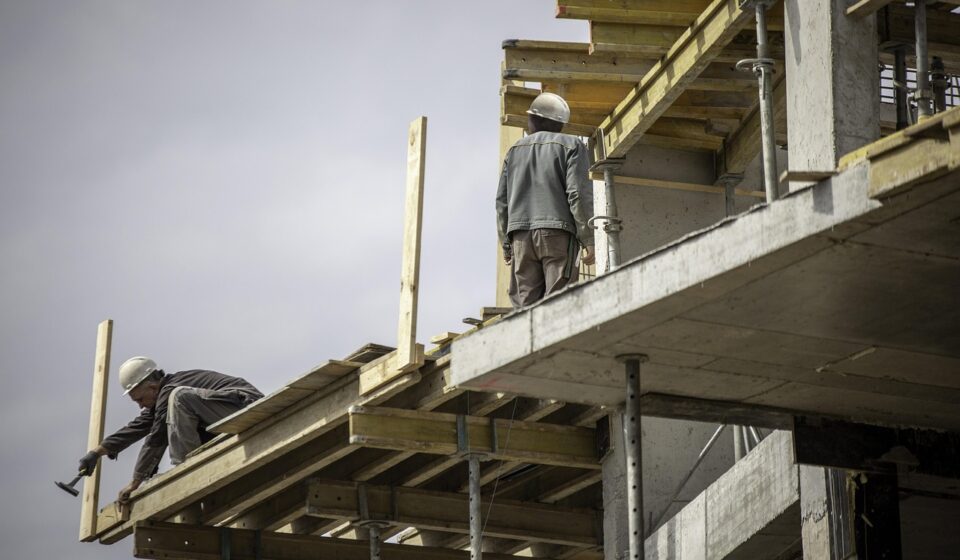
Start with the hazards most likely to cause severe harm
If you need one safety topic for construction meetings this week, begin with the work your crew is about to perform and the hazard most likely to cause a serious injury if controls fail. On many U.S. jobsites, that points to falls, struck-by hazards, caught-in or between hazards, electrocution, trenching, silica dust, heat exposure, ladders, scaffolds and eye or face protection. The goal is not to fill meeting time with a generic reminder. It is to connect a known exposure to a visible control before work starts.
Several public sources support that approach. The Bureau of Labor Statistics reported 1,032 fatalities among construction and extraction workers in 2024, including 370 fatal falls, slips and trips. OSHA’s construction Focus Four training centers on falls, caught-in or between, struck-by and electrocution hazards. OSHA’s preliminary fiscal year 2026 Top 10 most-cited standards page, updated October 5, 2026, also placed fall protection general requirements first and included scaffolding, ladders, fall protection training and eye and face protection. For more related workplace risk content, visit the industrial safety section.
Why falls are often the first topic to schedule
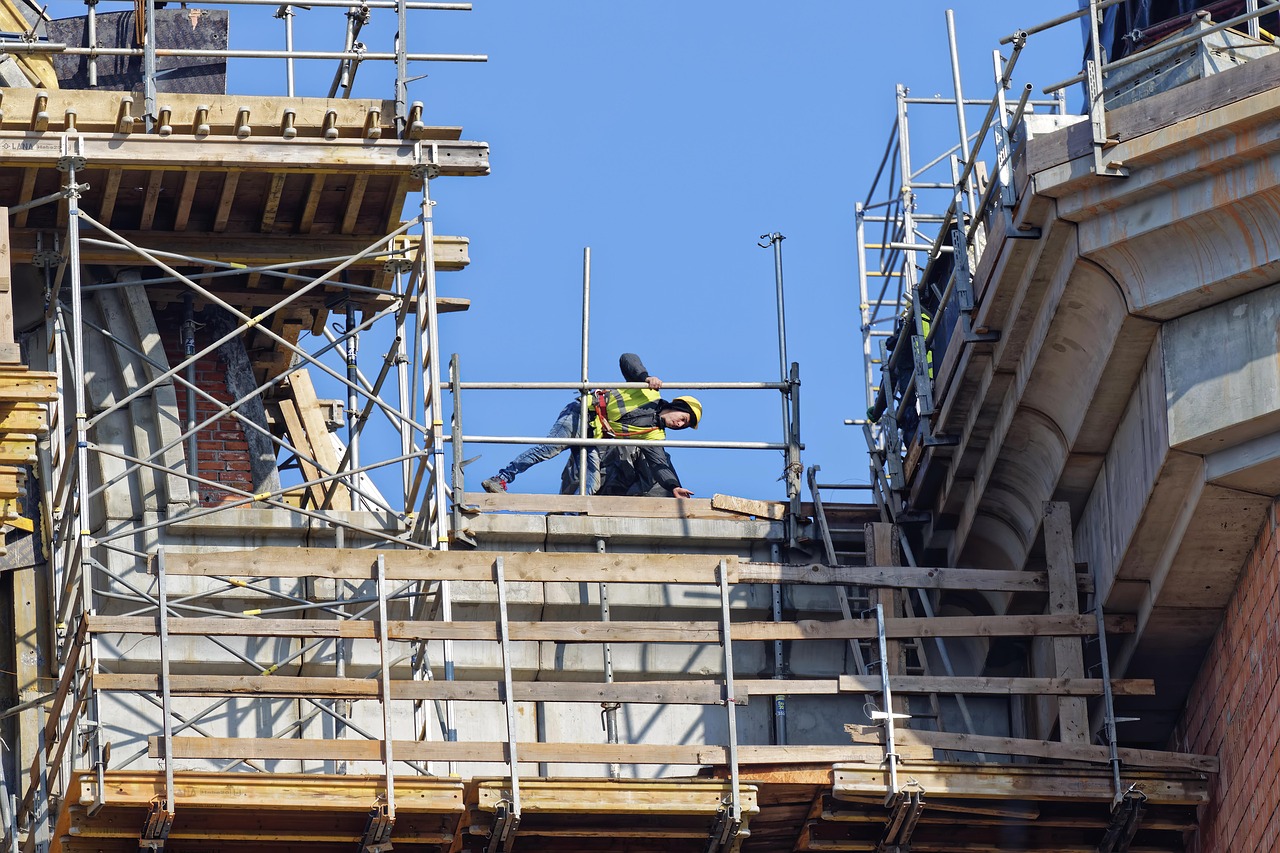
Falls are not the only construction hazard, but they are often the strongest starting point because they appear in fatality data, inspection data and routine jobsite work. NIOSH and CDC materials for the 2026 fall prevention stand-down describe falls from elevation as the leading work-related cause of death in construction. CPWR’s Focus Four data also says falls alone account for more than one third of construction deaths yearly on average, while noting that injury classification changes beginning in 2023 mean older and newer subcategory data should be compared with caution.
| Source signal | What it means for a toolbox talk | Practical focus |
|---|---|---|
| BLS 2024 fatality data | Fatal falls, slips and trips remain a major issue for construction and extraction workers. | Discuss roof edges, floor openings, ladders, scaffolds and access points. |
| OSHA Focus Four | Falls, struck-by, caught-in or between and electrocution hazards need repeated attention. | Rotate these hazards instead of relying on random topics. |
| OSHA preliminary FY 2026 citations | Fall protection, scaffolding, ladders and fall protection training remain visible enforcement issues. | Verify physical controls and training before high-risk work starts. |
| NIOSH/CDC fall prevention materials | Small worksites may have limited safety resources, making simple pre-task controls important. | Use short, visual talks that point to actual hazards on the site. |
Seven construction safety topics worth rotating
Falls from height
Use this topic before roofing, leading-edge work, scaffold use, formwork, steel erection, elevated platform work or work near floor openings. OSHA construction rules commonly require protection at 6 feet or more above a lower level in many construction situations, although the exact requirement depends on the task and standard. A useful talk should identify the fall exposure, the selected system, the anchor point or guardrail condition, and who will correct missing covers, rails or tie-off points before work begins.
Struck-by hazards
Struck-by incidents can involve moving equipment, backing vehicles, suspended loads, flying debris, nail guns, falling materials or objects released from height. A practical talk should ask workers to identify swing radius zones, spotter locations, exclusion zones, overhead work and eye protection needs. Keep the focus on separation: people and moving energy should not occupy the same space without a controlled plan.
Caught-in or between hazards
This topic fits excavation, demolition, concrete work, equipment maintenance, material handling and work around rotating or moving parts. Discuss pinch points, unstable walls, collapsing materials, lockout needs and equipment blind spots. The control question is simple: what could close, roll, collapse, rotate or shift, and how are workers kept out of that line of fire?
Electrocution and temporary power
Electrical talks should cover overhead power lines, temporary wiring, damaged cords, wet conditions, generators, ground-fault protection and unqualified electrical work. Crews should know clearance expectations, how to remove damaged cords from service, and who is authorized to work on energized systems. A strong talk also connects electricity to nearby tasks such as crane operation, ladder placement, concrete cutting and roof work.
Trenching and excavation
OSHA trenching guidance states that trenches 5 feet deep or greater generally require a protective system unless the excavation is made entirely in stable rock. A competent person may determine that protection is not required for trenches less than 5 feet deep, but only after examining the conditions. Keep the talk practical: soil type, water, spoil pile placement, access and egress, nearby traffic, vibration and inspection after weather changes all matter.
Respirable crystalline silica
Silica exposure can occur during cutting, grinding, drilling, crushing, jackhammering and cleanup of concrete, brick, block, stone or mortar. OSHA’s construction silica standard includes specified exposure control methods for listed tasks and restricts dry sweeping or dry brushing when those methods could contribute to exposure unless safer cleanup methods are not feasible. A toolbox talk should name the task, the dust control, the respirator decision, the cleanup method and the competent person responsible for silica controls.
Heat exposure
Heat risk is not limited to summer afternoons. OSHA notes that hazardous heat can occur indoors or outdoors when workload, humidity, sunlight, radiant surfaces, clothing and limited air movement combine. OSHA published a proposed federal heat rule on August 30, 2024, held an informal public hearing from June 16 to July 2, 2025, and revised its heat National Emphasis Program on April 10, 2026. For daily talks, emphasize water, rest, shade or cooling, acclimatization, symptom recognition and emergency response. See also: automation and controls.
A 12-minute toolbox talk format that workers can use
The most effective construction safety meeting is short, specific and tied to the day’s work. A foreman or safety lead can use this format without turning the meeting into a lecture.
- Name the task. Identify the work activity, location and crew involved.
- Describe the worst credible outcome. Avoid vague warnings. Say what could happen if a guardrail is missing, a trench wall moves, a load swings or a saw produces uncontrolled dust.
- Point to the control. Show the guardrail, cover, trench box, spotter location, exclusion zone, water station, ventilation, wet cutting method or PPE.
- Ask two field questions. For example: where is the unprotected edge today, and who has authority to stop work if the anchor point is not ready?
- Confirm the action. End with one or two checks that must be completed before work starts.
This structure keeps the topic from becoming abstract. It also creates a recordable link between hazard recognition, supervisor planning and worker participation.
Match topics to project phase and season
A topic calendar should follow the work, not the other way around. The same site may need different talks as excavation, structure, enclosure, interiors and commissioning progress. Seasonal conditions also matter because heat, rain, ice, wind and shortened daylight can change the risk profile.
| Project condition | Useful safety topic | Field check |
|---|---|---|
| Excavation and underground work | Trenching, struck-by traffic, utilities and access | Competent person inspection, protective system and spoil placement |
| Framing, steel or roof work | Falls, dropped objects and aerial lifts | Edges, holes, anchors, lift setup and exclusion zones |
| Concrete cutting or masonry | Silica, eye protection, hearing and housekeeping | Wet methods, vacuum systems, respirators and cleanup plan |
| Electrical rough-in or temporary power | Electrocution and damaged cords | GFCI use, cord inspection and access control |
| Hot, humid or high-workload days | Heat illness prevention | Water, rest, shade or cooling, acclimatization and emergency plan |
Common mistakes that weaken construction safety topics
- Choosing topics by habit instead of exposure. A ladder talk is useful only if it connects to today’s ladder condition, placement and access need.
- Relying on PPE as the whole plan. PPE matters, but engineering controls, work planning, separation, guarding and competent supervision often address hazards earlier.
- Ignoring subcontractor overlap. One crew’s task can create a falling object, silica, electrical or traffic hazard for another crew.
- Using old data as current status. If a meeting references statistics, standards or rulemaking, identify the year or make the statement general.
- Ending without an action. A toolbox talk should change what workers inspect, avoid, install, report or verify before starting work.
Frequently asked questions
What is a good first safety topic for construction crews?
Falls from height are often the best first topic because they are repeatedly identified in construction fatality and enforcement information. However, the first topic should still match the day’s work. If the crew is entering a trench, trench safety is more urgent than a generic fall talk.
How often should construction safety topics be repeated?
High-severity hazards should be repeated whenever exposure changes. Falls, struck-by hazards, caught-in or between hazards and electrocution should not be treated as one-time annual subjects. Revisit them when a new crew arrives, a new phase starts, weather changes or a control has failed.
Should toolbox talks include regulations?
Yes, but only enough to support action. Workers need to know the practical requirement that affects the task, such as when fall protection, trench protection, dust controls or electrical precautions apply. A long regulatory reading is usually less useful than showing the exact hazard and control on site.
What makes a safety topic effective?
An effective topic is specific, timely and verifiable. It names the hazard, explains the serious outcome, identifies the control, assigns responsibility and ends with a field check. If workers can point to what must be fixed before work starts, the talk has done its job.