Construction safety hat guide for OSHA rules, types and safer use
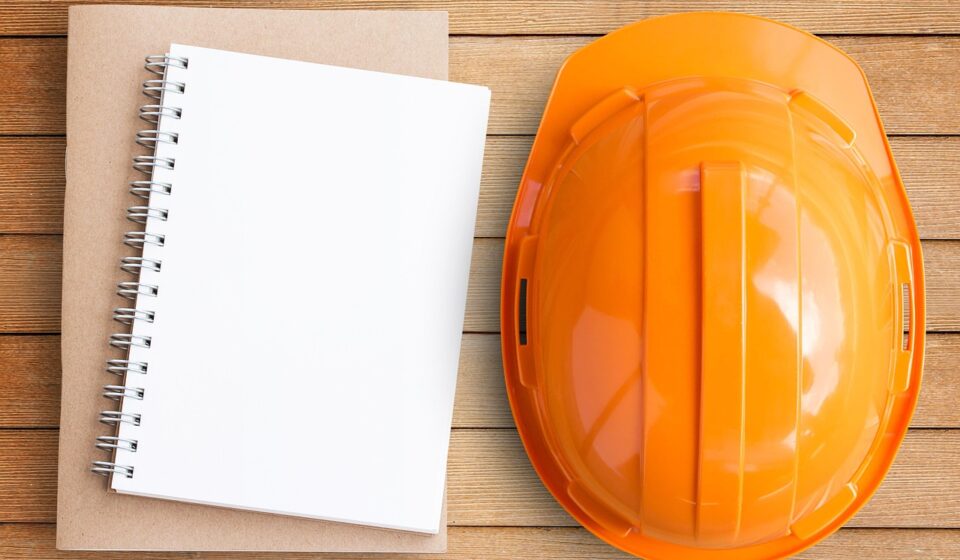
What a construction safety hat must do
On a jobsite, a construction safety hat is not a badge or a uniform item. It is head protection selected for a defined hazard: falling tools, flying debris, low beams, moving equipment, electrical exposure, or a fall that can knock ordinary headwear out of position. In U.S. construction, OSHA requires protective helmets where there is a possible danger of head injury from impact, falling or flying objects, or electrical shock and burns. The practical takeaway is straightforward: choose head protection by hazard, verify the ANSI/ISEA marking, train workers to wear it correctly, and remove it from service when it is damaged, degraded, or has taken a significant impact.
For broader workplace risk planning, this topic should sit inside a structured industrial safety program rather than a one-time PPE purchase.
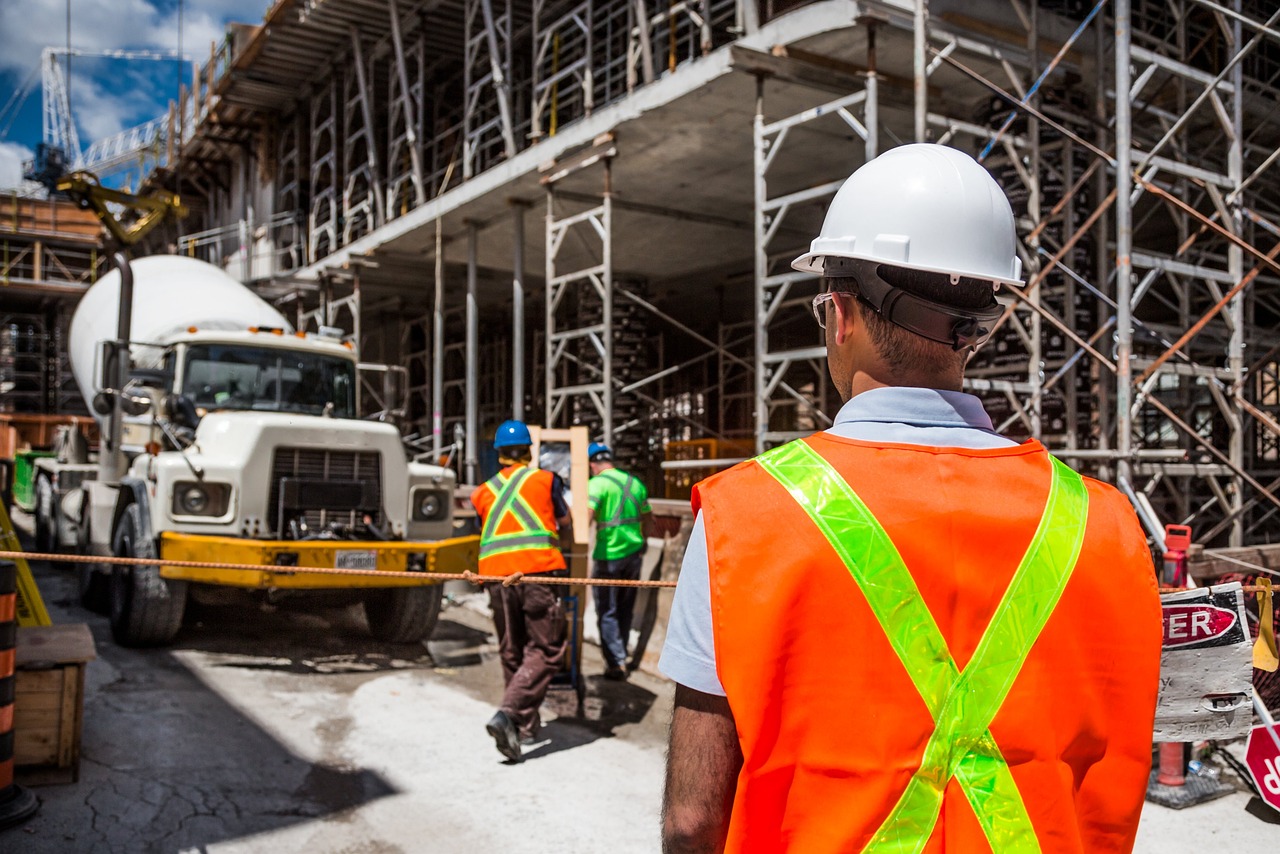
OSHA rules and ANSI markings that matter
The central U.S. construction rule is OSHA 29 CFR 1926.100, which covers head protection under construction personal protective and life saving equipment. The rule is exposure-based: if employees work where head injury is possible from impact, falling or flying objects, or electrical shock and burns, they must be protected by protective helmets.
OSHA’s construction rule references ANSI Z89.1-2009, ANSI Z89.1-2003 and ANSI Z89.1-1997 as acceptable consensus standards. It also allows head protection that the employer can demonstrate is at least as effective as equipment built to those referenced standards. That point matters in 2026 because the head-protection market has moved faster than the regulation text. Employers should not treat a newer label as automatically compliant without reviewing the manufacturer’s documentation, the task hazards and any project owner requirements.
The main markings to check are the impact type and the electrical class. These are usually molded, stamped or printed inside the shell or helmet body, along with the applicable ANSI/ISEA standard edition and manufacturing information.
| Marking | What it indicates | Typical selection question |
|---|---|---|
| Type I | Designed for impact protection primarily to the top of the head. | Is the main hazard a dropped object from above? |
| Type II | Designed for impact protection to the top and sides of the head. | Could the worker strike the side, front or back of the head during a fall, slip, trip, equipment contact or awkward-position task? |
| Class E | Electrical class for higher-voltage electrical protection under the standard test conditions. | Is there exposure to energized electrical conductors or electrical shock hazards? |
| Class G | General electrical class with lower electrical protection than Class E. | Is limited electrical protection needed while balancing other worksite factors? |
| Class C | Conductive class with no electrical protection rating. | Is ventilation or conductivity acceptable because electrical exposure is not present? |
ANSI/ISEA Z89.1-2026, released by the International Safety Equipment Association, keeps the familiar Type and Class framework and introduces optional plus designations for added retention and impact-related performance. The key point is not that every contractor must immediately change to a new style. It is that safety managers now have a more detailed vocabulary for matching head protection to modern construction tasks.
Hard hat, safety helmet and bump cap are not interchangeable
Workers often use “hard hat” and “safety helmet” loosely, but the differences can affect protection. A traditional hard hat usually has a rigid shell, suspension and brim. It is commonly selected for overhead hazards such as falling materials. Many traditional models are Type I, although Type II hard hats also exist.
Modern safety helmets often have a lower-profile shell, chin strap, internal energy-management components and accessory mounts for face shields, hearing protection or lights. OSHA’s March 6, 2024 Safety and Health Information Bulletin on head protection explains that employers should conduct a hazard assessment and consider the most appropriate head protection for the job. For construction sites with high risks of falling objects, debris, equipment impacts, awkward work positions, slips, trips or falls, OSHA’s bulletin says Type II head protection with chin straps should be considered.
A bump cap is different. It is intended for minor bumps against fixed objects in low-risk settings. It is not a substitute for a construction safety hat where falling objects, flying objects, significant impact or electrical hazards exist. Using a bump cap in place of a hard hat can create a false sense of protection.
It is also important to separate regulation from employer policy. OSHA announced on December 11, 2023 that it was replacing traditional hard hats used by OSHA employees with safety helmets for inspection sites. That announcement was influential, but it was not a universal mandate requiring every construction worker to replace every compliant hard hat. Many general contractors, utilities and infrastructure owners may set stricter project rules, including Type II helmets or chin straps, but those requirements should be written into the site PPE policy and communicated before workers mobilize.
Selection matrix for common construction hazards
A sound selection process starts with the task, not the catalog. The employer should review the work area, nearby trades, overhead work, crane and hoist activity, scaffolds, ladders, trenches, energized systems, weather and the chance that a worker could fall or lose head protection during movement.
| Construction situation | Primary head hazard | Selection direction | Notes for supervisors |
|---|---|---|---|
| Work below scaffolds, decks or elevated platforms | Falling tools, fasteners or materials | ANSI/ISEA-compliant head protection, commonly Type I or Type II depending on side-impact risk | Use toe boards, debris netting and tool tethering; PPE is not the only control. |
| Steel erection, formwork, demolition or congested mechanical rooms | Top and side impacts, swinging material, fixed obstructions | Consider Type II head protection and secure retention | Review whether a chin strap is needed to keep protection in place. |
| Ladders, lifts, roofs or work near openings | Loss of helmet during a slip, trip or fall | Head protection with a compatible chin strap | Coordinate with fall protection, rescue planning and dropped-object controls. |
| Electrical construction or work near energized conductors | Electrical shock and burns | Class E or Class G as appropriate to the hazard assessment | Do not use vented or conductive Class C head protection where electrical protection is required. |
| Hot outdoor work with no electrical exposure | Heat stress, sun exposure and impact hazards | Ventilated models may be considered only if electrical protection is not needed | Balance ventilation with the required impact and electrical class. |
| Indoor maintenance with low overhead clearance but no falling-object hazard | Minor bumps against fixed objects | Bump cap may be suitable only if the hazard assessment confirms low risk | Do not permit bump caps in active construction zones with overhead or flying-object hazards. |
This matrix is a starting point, not a replacement for a competent hazard assessment. Construction activities change quickly. A selection that is acceptable for interior layout work may be inadequate once overhead mechanical installation begins in the same area.
Inspection, fit and replacement practices
Head protection works only when it fits, stays in position and remains in reliable condition. OSHA training materials advise employers to train workers on why head protection is necessary, when it must be worn, how to wear and adjust it, its limitations, how to identify damage, and how to clean and store it.
Before use, workers should inspect the shell or helmet body for cracks, dents, deformation, perforation, chalking, flaking, brittleness, chemical attack and loss of surface gloss. They should also check the suspension, padding, straps, buckles and accessory mounts for tears, fraying, broken parts, missing components or poor adjustment. If the suspension no longer creates the intended clearance between the shell and the head, protection can be compromised. See also: automation and controls.
Any hard hat or safety helmet that has sustained a significant impact should be removed from service, even if damage is not obvious. OSHA guidance also advises replacement when there are signs of deterioration. Service life depends on storage, handling, sunlight, heat, chemicals, impact history and manufacturer instructions. Because OSHA does not set one universal year-based expiration date for every model and condition, employers should follow the manufacturer’s stated replacement intervals and keep a documented inspection practice.
Fit errors are common. A hat worn backward is acceptable only if the manufacturer allows that orientation and the product is certified for it. Thick hoodies, baseball caps or improvised liners can change suspension spacing and stability. Stickers and paint should be controlled because some adhesives, paints, solvents or markings can hide defects or affect shell integrity unless the manufacturer authorizes them or the employer can demonstrate that reliability is not reduced.
Program controls beyond the hat
A construction safety hat is a final layer of defense, not the whole struck-by prevention plan. NIOSH describes struck-by injuries as a major construction hazard, and its prevention guidance emphasizes coordination between employers and workers. The hierarchy of controls still applies: eliminate the hazard when possible, use engineering controls, improve work practices, then rely on PPE for residual risk.
On active jobsites, that means controlling dropped objects before they fall. Examples include tool lanyards, capped rebar, secured materials, toe boards, debris netting, exclusion zones, lift planning, tag lines, clean laydown areas and clear communication between trades. Where mobile equipment is present, head protection should be paired with traffic plans, spotters, backup alarms, high-visibility clothing and physical separation between pedestrians and machines.
Training should be task-specific. A five-minute reminder to “wear your hard hat” is weaker than showing workers where the overhead work will occur, what type and class of protection is required, whether chin straps must be fastened, how to inspect the model issued, and what damage requires removal from service. Supervisors should also apply the policy consistently. If Type II helmets are required in one zone but Type I hard hats remain allowed elsewhere, the boundary and reason must be clear.
Documentation helps when crews, subcontractors and project owners have different expectations. A practical head-protection policy should identify required markings, approved accessories, replacement triggers, inspection frequency, storage rules, exceptions, and the person responsible for resolving questions in the field.
Frequently asked questions
Is a construction safety hat required on every construction site?
OSHA’s rule is hazard-based. Head protection is required where there is possible danger from impact, falling or flying objects, or electrical shock and burns. Many contractors make hard hats or helmets mandatory across the entire project because hazards can change quickly and universal rules are easier to enforce.
Does OSHA require Type II safety helmets for all construction workers?
No universal OSHA rule requires Type II safety helmets for all construction workers. OSHA guidance recommends considering Type II head protection with chin straps for construction settings with elevated risks such as falling objects, side impacts, awkward positions, slips, trips and falls. Project owners or employers may adopt stricter policies.
Can workers use a vented hard hat for electrical work?
Vented head protection should not be used where electrical protection is required. For tasks involving electrical work or proximity to electrical hazards, employers should select the appropriate non-conductive Class E or Class G head protection based on the hazard assessment and manufacturer information.
When should a hard hat or safety helmet be replaced?
Replace it after a significant impact, when inspection shows damage or degradation, when the suspension or retention system is worn, or when the manufacturer’s service-life guidance requires replacement. Harsh sunlight, heat, chemical exposure and rough handling can shorten useful life.
Are stickers allowed on construction hard hats?
They may be acceptable only when they do not reduce reliability, hide defects or conflict with manufacturer instructions. Employers should control stickers, paint and markings through a written policy because shell condition must remain visible during inspection.