Industrial ovens safety risks and controls for manufacturing teams
Why industrial ovens need a process safety mindset
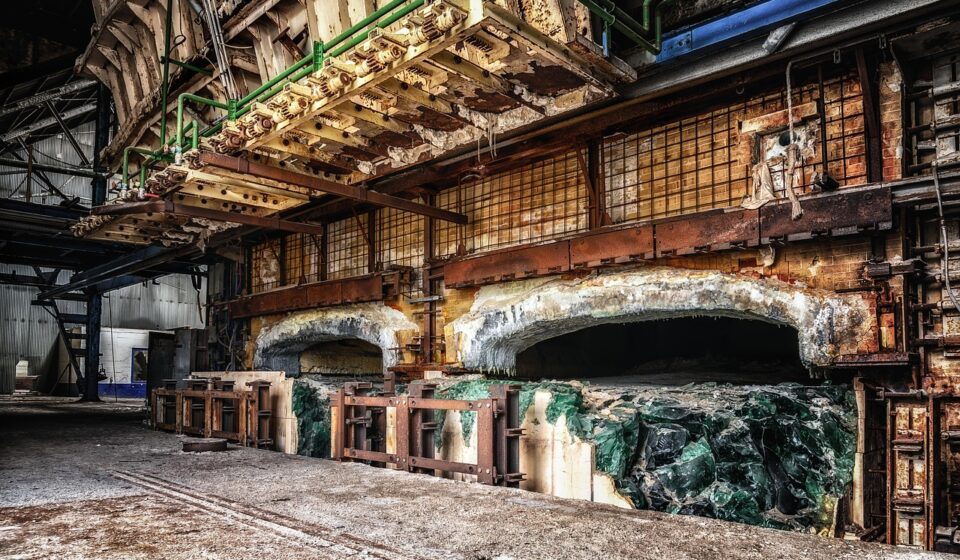
Industrial ovens are more than heated enclosures. In manufacturing, they may combine burners or electric elements, circulating fans, exhaust systems, conveyors, solvents, coatings, combustible products, dust, and automated controls. That combination makes oven safety a process safety issue, not just an equipment checklist. The main concerns are fire, explosion, over-temperature events, heat stress, burns, hazardous energy during maintenance, and unsafe changes to operating parameters.
For safety managers, engineers, and supervisors, the practical goal is to confirm three things: the oven is correctly classified for the materials being processed, ventilation and interlocks match the actual hazard, and operators know when to stop the process rather than bypass a protective device. Publicly available OSHA requirements, NFPA 86 guidance, NIOSH heat stress recommendations, and FM Property Loss Prevention Data Sheet 6-9 all point in the same direction: safe oven operation depends on design, maintenance, operating discipline, and change control working together.
For more related workplace risk topics, see the industrial safety section.
The main hazards around industrial ovens
The hazard profile depends on the oven type, fuel source, product, atmosphere, and adjacent process. A powder coating cure oven, a composite curing oven, a bakery tunnel oven, a solvent drying oven, and a heat-treat furnace do not create the same exposure. Even so, several risk categories appear repeatedly across industries.
| Hazard area | Typical trigger | Control focus |
|---|---|---|
| Fire and explosion | Fuel gas, flammable vapors, combustible products, dust, residue in ducts, or ignition sources | Classification, ventilation, explosion relief, burner safeguards, housekeeping, and ignition control |
| Over-temperature | Failed controls, blocked airflow, stalled conveyor, incorrect set point, or product jam | Independent high-temperature limits, alarms, shutdown logic, and routine testing |
| Heat exposure | Radiant heat, hot surfaces, open doors, high ambient temperature, or heavy work near ovens | Engineering controls, shielding, ventilation, work-rest practices, hydration, and acclimatization |
| Hazardous energy | Servicing burners, fans, conveyors, dampers, electrical panels, pneumatic doors, or thermal systems | Lockout/tagout, verification of isolation, zero-energy checks, and controlled restart |
| Chemical exposure | Solvent evaporation, coating decomposition, combustion products, or process off-gassing | Material review, exhaust design, air monitoring where needed, and respiratory protection evaluation |
| Mechanical injury | Conveyors, doors, loading carts, pinch points, rotating fans, or automated handling | Machine guarding, interlocks, safe access, traffic separation, and maintenance controls |
FM Property Loss Prevention Data Sheet 6-9 describes fire and explosion as primary hazards for ovens and dryers, especially where combustible products, flammable vapors, fuel systems, or duct deposits are present. OSHA’s combustible dust enforcement material also treats dryers as equipment where combustible dust fire and explosion hazards may occur. These sources do not have the same legal status, but together they show why oven safety reviews should extend beyond the heated chamber to ductwork, exhaust fans, product loading, and upstream materials.
Classification comes before control selection
A common mistake is to treat all ovens as if they share the same hazard basis. NFPA 86, the widely used standard for ovens and furnaces, organizes requirements around oven and furnace classes. In simplified terms, Class A equipment involves flammable volatiles or combustible materials; Class B equipment is not intended to process flammable volatiles or combustible materials; Class C involves special atmospheres; and Class D involves vacuum operation. The exact classification should be confirmed from the standard, the equipment documentation, the process description, and qualified engineering review.
This classification matters because it affects ventilation, purge requirements, explosion relief, electrical area considerations, combustion safeguards, and operating procedures. An oven that dries solvent-coated parts needs a different control philosophy from an oven that heats noncombustible parts with no volatile release. If a process change introduces a new coating, resin, adhesive, oil, dust, or cleaning chemical, the original oven classification may no longer reflect the real exposure.
A practical classification review should ask:
- What materials enter the oven, including coatings, carriers, residues, packaging, fixtures, and cleaning chemicals?
- Can the product release flammable vapor, combustible dust, smoke, or decomposition products at process temperature?
- What is the lowest relevant autoignition temperature, flash point, or lower flammable limit information available from safety data sheets or process testing?
- Does the oven use fuel-fired heating, electric heating, infrared heating, steam, thermal oil, or another source?
- Are there special atmospheres, oxygen-deficient conditions, inert gas systems, or vacuum conditions?
- Are exhaust ducts, recirculation paths, dampers, and thermal oxidizers included in the safety review?
When the answers are incomplete, the facility should not guess. The oven manufacturer, a qualified fire protection engineer, combustion safety specialist, industrial hygienist, or authority having jurisdiction should be involved as appropriate.
Ventilation and interlocks are central safeguards
Ventilation is not only a comfort feature around industrial ovens. In some applications, it is a primary fire and explosion control. OSHA’s spray finishing standard includes provisions for drying, curing, and fusion equipment in operations involving flammable and combustible materials, including requirements related to maintaining ventilation and interlocking heating systems with ventilation in specific circumstances. NFPA 86 and insurer guidance also emphasize purging, exhaust flow, and control of vapor concentration for ovens with flammable vapor hazards.
In practice, a safe ventilation system has to be verified under real operating conditions. Airflow that was adequate during commissioning may become inadequate after a production increase, damper adjustment, clogged filter, fan wear, duct modification, or thermal oxidizer change. Recirculating ovens need particular attention because changes in the recirculation and exhaust balance can affect vapor concentration and temperature distribution.
Interlocks should fail safe and be difficult to ignore
Interlocks commonly stop heating when exhaust flow is lost, prevent burner ignition before purge completion, stop conveyors during unsafe access, or alarm on high temperature. Their value depends on correct design, routine testing, and management discipline. FM’s oven and dryer guidance specifically highlights the need for documented safety interlock bypass management. This matters because bypasses often start as short-term troubleshooting measures and then become normalized production workarounds.
A useful operating rule is simple: a bypassed interlock should be treated as a controlled impairment, not an informal maintenance note. The bypass should have written authorization, a defined reason, compensating measures, a time limit, and documented restoration. If the process cannot run safely without the interlock, production should not continue.
Fire, explosion, and over-temperature prevention
Fire prevention starts with material control. Combustible storage near ovens, residue inside chambers, lint or powder in ductwork, oil on racks, and overspray buildup can all change the fire load. FM guidance recommends keeping necessary combustible materials in process away from ovens, burners, heaters, and similar hot components. It also stresses smooth, cleanable interiors and avoidance of inaccessible spaces where deposits can accumulate.
Explosion prevention requires a more specific review. Potential contributors include fuel gas accumulation before ignition, inadequate purge, flammable vapor accumulation, dust suspension, oxygen enrichment or oxygen control failure, and ignition sources inside ducts or chambers. Explosion relief may be required or recommended depending on the oven type, construction strength, fuel and vapor hazard, and applicable standard. Vent location matters as much as vent presence, because relief paths must not endanger workers or direct pressure and flame into occupied areas.
Over-temperature protection should be independent enough to protect against control failure. Where combustible products are heated, FM’s guidance recommends setting an excess temperature limit below the material’s autoignition temperature. This is an engineering decision, not a guess. Facilities should use material data, process testing, and qualified review to set safe operating and shutdown limits. A stalled conveyor or overloaded batch can create a localized high-temperature condition even when the main controller appears normal, so temperature monitoring should match the actual heat distribution and product flow. See also: automation and controls.
Worker safety around heat, energy, and maintenance
Strong fire and explosion controls do not remove the daily injury risks around hot equipment. OSHA’s heat stress guidance identifies high air temperature, radiant heat, contact with hot objects, humidity, workload, and clothing as factors that can create heat illness risk. NIOSH heat stress recommendations support acclimatization, hydration, rest breaks, training, medical awareness, and engineering controls where heat exposure is significant.
Controls near industrial ovens may include insulated handles, guarding around hot surfaces, shields to reduce radiant heat, local exhaust or make-up air, powered loading equipment, floor markings around door swing zones, and procedures that minimize time spent in hot areas. Personal protective equipment can reduce burn risk, but it should not be the only control. Heavy gloves, face shields, aprons, and heat-resistant clothing may also increase metabolic heat load, so the heat stress assessment should consider the task and PPE together.
Lockout/tagout must include stored and thermal energy
Maintenance work is a high-risk phase because guards are removed, panels are opened, doors are entered, and automatic systems may be defeated for troubleshooting. OSHA’s lockout/tagout standard, 29 CFR 1910.147, addresses servicing and maintenance where unexpected energization, startup, or release of stored energy could injure employees. For ovens, hazardous energy can include electricity, fuel gas, pneumatic or hydraulic pressure, moving conveyors, gravity, stored mechanical motion, residual heat, steam, thermal oil, and trapped pressure.
A strong lockout procedure identifies each energy source, the isolation device, the lock method, release or restraint of stored energy, verification steps, and restart sequence. Cooling time should be part of the job plan when burns or heat exposure remain possible after shutdown. Testing after maintenance should be controlled so that temporary re-energization does not expose employees to moving parts, flame, or hot surfaces.
Management of change is where many oven risks emerge
Industrial ovens often become more hazardous gradually. Production teams may increase conveyor speed, raise temperature to improve cure, add a new coating, change solvent content, load denser batches, modify exhaust to save energy, or connect an oven to pollution-control equipment. Each change may look reasonable on its own, but the combined effect can reduce the safety margin.
A management of change review should be required before changes to product chemistry, set points, dwell time, exhaust rate, recirculation rate, burner controls, sensors, alarms, interlocks, duct routing, fire protection, explosion relief, or production volume. FM’s April 2021 revision of its oven and dryer data sheet specifically added attention to documented programs for interlock bypass management and operating parameter changes, including conveyor speed. That recommendation reflects a broader lesson: ovens are dynamic process systems, so safety documentation must follow the process, not just the equipment purchase date.
Useful records include commissioning reports, burner tuning results, ventilation measurements, interlock test logs, temperature uniformity surveys where required, cleaning records, incident reports, near-miss reports, and approved change reviews. These records help supervisors distinguish normal variation from drift toward unsafe operation.
A practical inspection and review checklist
The following checklist is not a substitute for NFPA 86, OSHA requirements, manufacturer instructions, or local code review. It is a practical starting point for supervisors and safety teams preparing an internal inspection.
- Confirm the oven classification and compare it with current materials and process conditions.
- Review safety data sheets for products, coatings, solvents, oils, adhesives, powders, and cleaning agents used near the oven.
- Verify exhaust and recirculation airflow against the design basis, not only against visual fan operation.
- Test purge, airflow, flame failure, high-temperature, conveyor, door, and emergency stop interlocks according to a documented schedule.
- Check whether any interlock, alarm, damper, sensor, or protective device has been bypassed, disabled, or left in manual mode.
- Inspect ducts, filters, fan housings, racks, trays, floors, and hidden surfaces for combustible deposits or residue.
- Confirm that combustibles, packaging, waste, and spare parts are not stored near hot surfaces, burners, or oven openings.
- Review burner management and fuel train maintenance records for fuel-fired ovens.
- Confirm lockout/tagout procedures cover electrical, fuel, pneumatic, mechanical, gravity, pressure, and residual heat hazards.
- Evaluate heat stress exposure for employees who load, unload, clean, inspect, or maintain ovens.
- Verify that operators know abnormal conditions that require shutdown, including unusual odor, smoke, alarm activation, loss of airflow, flame instability, product jam, or repeated high-temperature trips.
- Document any process changes since the last safety review, including temperature, dwell time, load size, coating chemistry, and exhaust changes.
Frequently asked questions
Are industrial ovens regulated by OSHA?
OSHA does not regulate every industrial oven through one single oven-specific rule. Depending on the operation, requirements may involve spray finishing, combustible dust, electrical safety, machine guarding, walking-working surfaces, hazard communication, respiratory protection, heat stress enforcement considerations, and lockout/tagout. Employers should also review consensus standards such as NFPA 86 and applicable local fire and building codes.
What is the biggest safety risk with industrial ovens?
There is no single answer for every oven, but fire and explosion are leading process hazards when fuel, flammable vapor, combustible material, dust, or residue is present. For workers, burns, heat stress, hazardous energy during maintenance, and mechanical injuries are also important. The highest risk is often created when a process change occurs without a matching safety review.
How often should oven safety interlocks be tested?
The test interval should follow the manufacturer’s instructions, applicable standards, insurer recommendations, and site risk assessment. Critical interlocks should have a documented inspection and functional test schedule. If an interlock fails, is bypassed, or gives repeated nuisance trips, the root cause should be corrected rather than worked around.
Can an existing oven be used for a new coating or material?
Not automatically. A new material may introduce flammable vapors, combustible dust, toxic decomposition products, different curing temperatures, or residue buildup. Before use, the facility should review oven classification, ventilation capacity, temperature limits, fire protection, explosion relief, electrical area suitability, and operator procedures.
What should operators do when an oven alarm keeps recurring?
A recurring alarm should be treated as evidence of an unresolved condition, not as a production inconvenience. Operators should follow the shutdown or escalation procedure, report the alarm history, and avoid bypassing protective devices. Maintenance and engineering teams should identify whether the issue is sensor failure, airflow loss, product loading, burner instability, control drift, or a real unsafe condition.