Industrial safety supply guide for compliant workplace purchasing

What industrial safety supply should include
Industrial safety supply is the planned selection, purchase, storage and replacement of equipment and materials used to reduce workplace risk. It covers PPE, lockout/tagout devices, signage, spill control materials, machine guarding components, eyewash support items, respiratory protection supplies, first aid replenishment and chemical communication materials. For industrial equipment sites, the objective is not simply to keep shelves stocked. Each supplied item should be tied to a documented hazard, an applicable standard and a task workers actually perform.
That distinction matters because safety purchasing can fail even when the product is well made. A glove may be cut resistant but unsuitable for a solvent. A face shield may help control splash exposure but still require safety glasses underneath. A respirator may be the correct model but unusable if fit testing, medical evaluation and cartridge change-out planning are missing. A stronger purchasing process catches those gaps before they reach the shop floor.
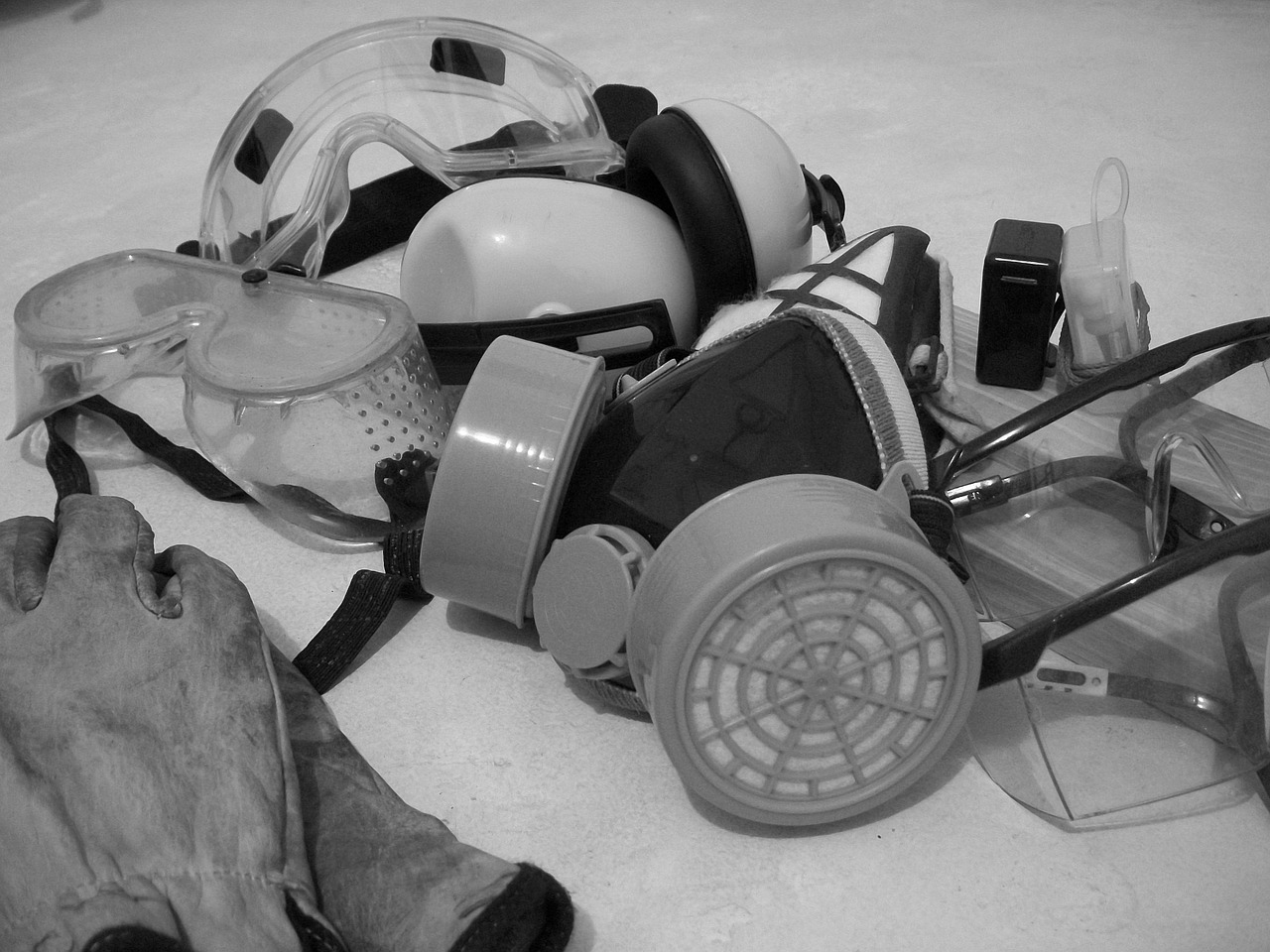
For teams comparing vendors or building a safety stock list, the key question is practical: what risk will this item control, and what evidence shows it is appropriate for that use? The answer should come from the hazard assessment, safety data sheets, equipment manuals, applicable regulations and recognized consensus standards.
Start with hazard assessment, not a catalog
OSHA’s general PPE requirements for U.S. general industry require employers to assess the workplace to determine whether hazards are present, or are likely to be present, that require PPE. Employers must then select PPE that protects affected employees from the hazards identified in that assessment. In purchasing terms, an industrial safety supply list should be built from tasks and exposures rather than from generic product categories.
The National Institute for Occupational Safety and Health describes the hierarchy of controls as a preferred order for reducing hazards: elimination, substitution, engineering controls, administrative controls and PPE. PPE remains essential in many industrial jobs, but it is the last layer rather than the only layer. Procurement teams should understand whether a purchased item is the primary control, a backup control or one part of a larger control set.
Translate hazards into supply requirements
A practical hazard-to-supply process starts with task mapping. Maintenance on energized equipment may trigger electrical safety procedures, voltage-rated tools, arc-rated clothing and face protection. Grinding may require eye and face protection, hearing protection and spark-resistant work practices. Chemical transfer may require compatible gloves, goggles, face protection, spill control materials and updated SDS access. Forklift and loading-dock work may require high-visibility garments, traffic control signs and floor marking supplies.
This task-based approach helps prevent two common mistakes: buying a broad category without a performance requirement, and buying a compliant item without confirming that it fits the exposure. A glove label, for example, may show cut performance, while solvent work may also require chemical permeation data. A high-visibility vest may be labeled to a recognized standard, but the type and performance class still need to match the work environment.
Standards and documentation that should shape each purchase
Safety buyers do not need to become standards engineers, but they do need enough structure to ask the right questions. The table below summarizes common supply categories and the documents that often affect purchasing decisions. The standards listed are examples commonly used in U.S. industrial settings; the applicable requirement depends on the jurisdiction, task, industry and employer program.
| Supply category | Common reference point | Procurement check |
|---|---|---|
| Eye and face protection | ANSI/ISEA Z87.1-2020 and OSHA eye and face protection rules | Confirm that impact, splash, dust or optical markings match the hazard; do not treat a face shield as a full substitute for protective eyewear unless the program allows it. |
| Hand protection | ANSI/ISEA 105-2024 for hand and arm protection classification | Match cut, puncture, abrasion, chemical and heat performance to the specific task; keep product data with the approved glove list. |
| High-visibility apparel | ANSI/ISEA 107-2020 | Verify type and performance class for roadway, yard, loading, warehouse or equipment traffic exposure. |
| Protective footwear | ASTM F2413-24 for protective toe cap footwear | Check markings for toe, metatarsal, puncture, electrical hazard or static dissipative needs; avoid assuming all safety shoes control the same risks. |
| Respirators and filters | OSHA 29 CFR 1910.134 and NIOSH approval for respirators | Do not buy respirators as stand-alone items; connect them to selection, medical evaluation, fit testing, cartridge or filter change schedules, training and maintenance. |
| Electrical PPE | NFPA 70E 2024 edition, employer electrical safety program and arc-flash assessment | Confirm arc rating, voltage rating, inspection intervals and compatibility with the energized work procedure. |
| Chemical labels and SDS management | OSHA Hazard Communication Standard, 29 CFR 1910.1200 | Make sure chemicals arrive with labels and current SDS access; update workplace labels, training and program documents when hazards change. |
| Lockout/tagout supplies | OSHA 29 CFR 1910.147 for control of hazardous energy | Ensure locks, tags, hasps, valve covers and electrical lockout devices match written energy-control procedures and equipment-specific isolation points. |
This table is not a substitute for legal or professional safety review. Its value is operational: it turns standards into purchasing questions. Before placing an order, buyers can request product markings, declarations of conformity, test data, SDS documents, shelf-life information and replacement part details.
Where industrial safety supply programs often fail
The most visible failure is a stockout, but many supply problems are less obvious. A facility may have boxes of gloves but no approved chemical compatibility chart. A storeroom may hold safety glasses from multiple suppliers with different lens coatings and impact markings. A maintenance team may have lockout devices without enough equipment-specific procedures. A plant may buy respirators quickly during a dust problem and then discover that the required written program, medical evaluations and fit testing have not been completed.
Uncontrolled substitution is another common weak point. When an approved item is unavailable, purchasing may accept a similar product without checking the performance rating, size range, material compatibility or certification. That creates risk because workers often assume the substitute performs like the original. Substitution rules should be written before a shortage occurs. For critical items, the approved list should include either a prequalified alternate or a rule requiring EHS review.
Documentation gaps are also frequent. Industrial safety supply records should show why an item was selected, which tasks it supports, what standard or specification it meets, when it expires or requires inspection, and what training workers need before use. These records are especially important for fall protection equipment, electrical PPE, respirators, chemical protective clothing and emergency response supplies.
Building a practical purchasing process
A workable process does not have to be complicated. It should be disciplined enough to keep the wrong item out of routine use, but simple enough for supervisors, maintenance teams and buyers to follow. The following steps can help create that balance.
- Create a hazard-based supply matrix. List routine and non-routine tasks, the hazard category, the required control and the approved supplies. Include maintenance, cleaning, changeover, confined or restricted access work, chemical handling and emergency response tasks.
- Define performance specifications before brand selection. Write requirements such as ANSI/ISEA Z87.1 impact-rated eyewear, ANSI/ISEA 105 cut level, ASTM footwear marking, arc rating, voltage class or chemical compatibility need before choosing a supplier.
- Keep an approved item list. Include product name, model, size range, standard marking, supplier, approved alternates, expiration or inspection requirements and the internal owner responsible for review.
- Inspect incoming safety supplies. Check labels, markings, packaging damage, lot numbers, expiration dates and certificates when applicable. Receiving staff should know which items require EHS review before release.
- Control storage conditions. Heat, sunlight, moisture, chemicals and contamination can degrade some PPE and emergency supplies. Store respirator filters, gloves, fall protection equipment and electrical PPE according to manufacturer instructions.
- Connect issue records to training. A worker receiving a respirator, fall arrest harness or arc-rated kit needs more than a handoff. The program should confirm that training, fit, inspection and use requirements are met.
- Review incidents and near misses. If an injury, exposure or near miss occurs, check whether the approved supply was available, appropriate, worn correctly and supported by training.
For smaller facilities, this process can begin as a spreadsheet. For larger sites, it may sit inside an EHS management system, procurement platform or computerized maintenance system. The critical point is ownership: purchasing, operations, maintenance and safety need a shared method for approving and changing safety-critical items.
Current 2026 watch points for safety buyers
Several public data points are useful for 2026 planning. The U.S. Bureau of Labor Statistics reported that private industry employers recorded 2.5 million nonfatal workplace injuries and illnesses in 2024, with a total recordable case rate of 2.3 cases per 100 full-time equivalent workers. Those figures do not identify which purchases prevent which injuries, but they reinforce why supply decisions should be tied to hazard control rather than convenience.
OSHA’s frequently cited standards also point to recurring risk areas that affect purchasing. Recent OSHA top-cited lists include fall protection, hazard communication, lockout/tagout, respiratory protection, powered industrial trucks, eye and face protection and machine guarding. For industrial safety supply teams, demand planning should not focus only on disposable PPE. It should also account for lockout kits, signage, labels, machine guarding parts, eyewash support items, respiratory program supplies and training materials.
Hazard communication deserves special attention. OSHA published its 2024 update to the Hazard Communication Standard in the Federal Register on May 20, 2024, with an effective date of July 19, 2024. On January 15, 2026, OSHA extended several compliance dates by four months. Manufacturers, importers and distributors evaluating substances must comply with modified provisions by May 19, 2026. Employers, as necessary, must update workplace labels, hazard communication programs and additional training for substances by November 20, 2026. For mixtures, the corresponding dates are November 19, 2027 for manufacturers, importers and distributors, and May 19, 2028 for employer program updates.
Procurement teams should treat those dates as a prompt to review chemical purchasing records, SDS libraries, private-label chemicals, secondary container labels and training triggers. During transition periods, facilities may see both older and updated SDS formats in circulation. The practical control is to maintain a clear chemical inventory and a documented method for capturing revised SDS information when it becomes available.
A checklist for stronger industrial safety supply decisions
- Does the item match a documented hazard assessment or written procedure?
- Which regulation, consensus standard, manufacturer specification or SDS supports the selection?
- Are the required markings visible on the product or packaging?
- Is the size range adequate for the workforce?
- Does the product require training, fit testing, inspection, maintenance or replacement intervals?
- Are approved alternates listed for supply disruptions?
- Can receiving staff identify expired, damaged, mislabeled or nonconforming items?
- Are chemical products connected to SDS access and workplace labeling requirements?
- Are stock levels based on actual usage, emergency reserve needs and lead times?
- Is there a review process after incidents, near misses, equipment changes or process changes?
The most reliable industrial safety supply programs are not built around the cheapest item or the largest catalog. They are built around traceability. A facility should be able to explain why each safety-critical item is approved, how workers know when to use it, how substitutions are controlled and how changes in standards, chemicals or equipment are reviewed.
Frequently asked questions
Is industrial safety supply the same as PPE?
No. PPE is a major part of industrial safety supply, but the category is broader. It can also include lockout/tagout hardware, spill control products, labels, signs, first aid replenishment, emergency eyewash support items, machine safety components and other materials used in safety programs.
Does buying ANSI-marked PPE automatically satisfy OSHA requirements?
Not by itself. Product markings can help demonstrate that an item meets a recognized performance standard, but OSHA compliance also depends on hazard assessment, proper selection, worker training, use, maintenance and program requirements. A compliant product can still be the wrong product for a specific hazard.
How often should a facility review its safety supply list?
Review should occur at least annually for core items and whenever processes, chemicals, equipment, regulations, standards, incident findings or suppliers change. Higher-risk items such as respirators, fall protection equipment, electrical PPE and chemical protective clothing often need more frequent program review.
What documents should buyers request from safety suppliers?
Useful documents may include product specifications, standard markings, declarations of conformity, test summaries where available, SDS for chemical products, instructions for use, shelf-life information, inspection criteria and replacement part details. The exact document set depends on the product category and hazard.
Can one safety product cover several hazards?
Sometimes, but each hazard should be checked separately. A glove may offer cut resistance and limited heat resistance but poor protection against a specific chemical. A high-visibility jacket may improve conspicuity but still need flame-resistant performance if used near arc flash or flash fire hazards. Multi-hazard claims should be verified against the task, standard markings and manufacturer data.