Bulk handling systems for safer and more reliable production lines
Why bulk handling systems matter in production lines
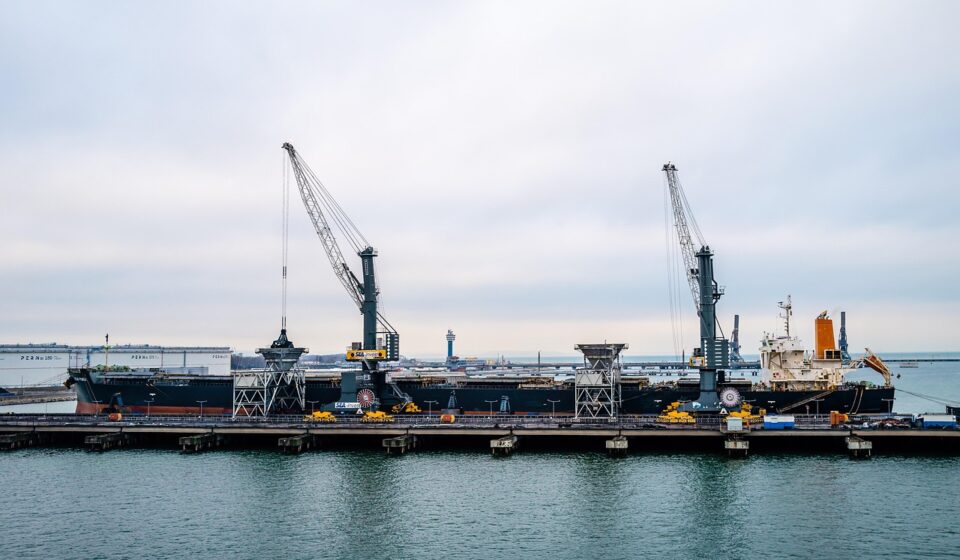
Bulk handling systems move loose materials such as grain, minerals, powders, pellets, aggregates, chemicals and biomass through receiving, storage, processing and discharge points. In production, their value is not measured only in tons per hour. A well-planned system controls flow, limits dust and spillage, reduces manual handling, protects workers and keeps upstream and downstream equipment supplied at a stable rate. A poorly matched system can lead to plugging, segregation, wear, combustible dust risk and unplanned shutdowns.
The practical starting point is not a conveyor catalogue. It is the material, the duty cycle and the risk profile. Bulk density, particle size, moisture, abrasiveness, temperature, friability, explosibility and cleaning requirements all affect the equipment layout. For readers comparing broader production systems, bulk handling deserves early attention because it often determines whether a line runs steadily or spends too much time being cleared, cleaned and repaired.

Start with material behavior, not equipment type
The same nominal capacity can behave very differently depending on the material. A free-flowing plastic pellet, a cohesive food powder and an abrasive ore concentrate may all be measured in tons per hour, but they do not need the same feeder, transfer chute or dust control strategy. Early project work should define the material envelope rather than a single ideal condition.
Important parameters include bulk density, particle size distribution, moisture range, temperature, angle of repose, abrasiveness, corrosiveness, degradation sensitivity and whether the material can create combustible dust. If a material varies by season, supplier or process step, the design should reflect that realistic range. A system sized only for dry material may underperform when moisture rises. A feeder selected for pellets may shear or compact a fragile agglomerate. A transfer point designed without dust capture may become a recurring housekeeping problem.
Testing is especially important when the material is cohesive, hygroscopic, fine, aeratable or difficult to reclaim from storage. Flow testing can help identify wall friction, arching tendency and ratholing risk. Dust testing may be needed when fine particles are generated during conveying, grinding, drying or screening. These details influence hopper angles, liner materials, aeration, vibration, feeder geometry and whether explosion protection measures are required.
Main types of bulk handling systems and where they fit
Most industrial layouts combine several equipment families rather than relying on a single machine. Receiving pits, hoppers, feeders, conveyors, bucket elevators, pneumatic lines, diverters, scales, silos and dust collectors work as one production system. The right combination depends on distance, lift, routing flexibility, containment needs and material sensitivity.
| Equipment type | Typical fit | Design watch points |
|---|---|---|
| Belt conveyors | Continuous movement of large volumes over moderate to long distances | Spillage, belt tracking, transfer design, guarding, dust at loading and discharge points |
| Screw conveyors | Controlled movement of powders, granules and semi-free-flowing materials over shorter distances | Power demand, wear, cleanout access, product degradation and plugging |
| Bucket elevators | Vertical lifting of bulk solids where floor space is limited | Dust explosion risk, belt or chain condition, bearing temperature, alignment and casing cleanout |
| Pneumatic conveying | Enclosed transfer of powders or granules through flexible routing | Air velocity, filter loading, material attrition, energy use, line plugging and explosion isolation |
| Vibratory and belt feeders | Metered discharge from bins, hoppers and stockpiles | Stable flow, turndown ratio, bridging, liner wear and integration with weighing or controls |
Belt conveyors remain a common choice for high-volume bulk materials because they can provide continuous transport with comparatively low energy per ton when the route is suitable. Public information from the Conveyor Equipment Manufacturers Association describes its belt conveyor engineering reference as covering fundamentals such as capacities, belt selection, applications, idlers and installation considerations. The broader point is straightforward: belt systems may look simple, but performance depends heavily on correct loading, alignment, support and maintenance.
Screw conveyors and feeders are compact and useful for controlled discharge, but they are not universal. They can impose shear, increase heat, compact material or wear quickly in abrasive service. Pneumatic systems offer enclosure and routing flexibility, yet they require careful attention to air flow, filtration, static control and line velocities. Bucket elevators solve vertical lift problems, but they need disciplined inspection because a fault inside an enclosed vertical casing can have severe consequences, especially where combustible dust is present.
Safety and compliance considerations that shape the design
Safety requirements should not be added after the layout is complete. They affect equipment selection, spacing, access platforms, electrical classification, dust collection, explosion protection and emergency stops. In dry bulk applications, the main hazards usually fall into four groups: mechanical entanglement, falls and access risks, dust exposure or dust explosion, and stored-energy hazards during cleaning or maintenance.
Combustible dust needs early screening
Combustible dust is not limited to coal or grain. Fine particles from food ingredients, wood, plastics, metals, chemicals and agricultural products can present fire or deflagration hazards under the right conditions. OSHA guidance describes the dust explosion pentagon as fuel, ignition source, oxygen, dispersion and confinement. Bulk handling systems can contribute to several of these elements because they generate fines, suspend dust in air and include enclosed spaces such as ducts, collectors, conveyors and elevator legs.
The U.S. Chemical Safety and Hazard Investigation Board has repeatedly highlighted combustible dust as a serious industrial hazard. Its 2006 combustible dust study identified 281 incidents from 1980 to 2005, with 119 worker deaths and more than 700 injuries. Those figures should be treated as historical evidence, not a current incident rate, but they explain why dust hazard analysis, housekeeping and explosion protection remain central in bulk solids design.
NFPA 660, the 2025 edition standard for combustible dusts and particulate solids, consolidated several earlier NFPA combustible dust standards into a single framework. For facilities handling combustible particulate solids, this matters because design teams must consider not only dust collectors but also conveying lines, bucket elevators, silos, transfer points, isolation devices, housekeeping and management of change. Local code adoption and the authority having jurisdiction still determine how requirements are applied to a specific project.
Housekeeping and containment are engineering issues
Dust control is often treated as a cleaning problem, but persistent dust usually starts with design decisions. Long free falls, poor chute geometry, high impact loading, inadequate skirting, leaky covers and undersized dust collection can turn normal operation into continuous cleanup. OSHA’s grain handling standard is a useful example of how specific some requirements can be: for covered U.S. grain handling facilities, fugitive grain dust exceeding one-eighth inch in priority housekeeping areas must be removed unless the employer demonstrates equivalent protection through the housekeeping program. This requirement is specific to that standard, but it illustrates the level of discipline expected where dust accumulation can create serious risk.
Guarding, isolation and access must match real work
Conveyors, pulleys, screws, chains, belts and rotating shafts create nip points and entanglement hazards. Guarding should allow normal inspection while preventing contact with moving parts. Emergency stops should be accessible and designed for the actual operating environment, including long conveyor runs and areas where visibility is limited. Lockout and isolation points should be clear, reachable and included in maintenance procedures. If a task requires operators to remove guards frequently, the design should be reconsidered rather than addressed only through training.
Reliability comes from transfer control, not just stronger equipment
Many bulk handling failures occur at transitions: bin outlets, feeder inlets, loading zones, transfers, diverters and discharge points. These areas combine changes in velocity, direction, containment and load. When they are not designed well, the symptoms show up as plugged chutes, belt mistracking, carryback, dust clouds, uneven feeding, liner failures and excessive cleanup.
Good transfer design manages the material stream before it creates problems. The aim is to load the receiving conveyor centrally, match material velocity where practical, reduce impact, provide enough settling distance and avoid ledges where material can build up. Liners should be selected for the service: abrasion-resistant plate, ceramic, polymer or stainless materials may each be appropriate in different conditions. The best liner is not always the hardest one; release behavior, corrosion, impact and replacement time also matter. See also: automation and controls.
Feed control is equally important. A bin that discharges erratically can starve a process one minute and overload it the next. Mass-flow or expanded-flow hopper design, properly selected feeders and level measurement can stabilize the rate. Where weighing is required, belt scales or loss-in-weight systems should be protected from vibration, buildup and air currents that distort readings. Controls should show not only whether equipment is running, but also whether material is actually moving.
Predictive maintenance can add value, but only after basic mechanical reliability is under control. Bearing temperature monitoring, belt alignment switches, plugged chute switches, speed sensors, vibration monitoring and motor current trends can help identify developing faults. Sensors, however, cannot compensate for poor access, inadequate lubrication routes, overloaded drives or transfer points that spill material onto equipment every shift.
A practical selection checklist for project teams
Before specifying a new system or modifying an existing one, project teams should answer a structured set of questions. The purpose is not to slow the project; it is to prevent costly redesign after installation.
- Material definition: What is the full range of bulk density, moisture, particle size, temperature and abrasiveness?
- Flow behavior: Is the material free-flowing, cohesive, aeratable, degradable, hygroscopic or prone to segregation?
- Capacity and duty: What are the average, peak and upset rates? How often does the system start under load?
- Containment: Are dust, odor, moisture pickup, contamination or emissions a concern?
- Safety: Could the material generate combustible dust? Are explosion venting, suppression, isolation or classified electrical equipment required?
- Cleaning and changeover: Does the line need dry cleaning, wet cleaning, allergen control, batch separation or inspection access?
- Maintenance: Can wear parts, bearings, guards, sensors and cleanout doors be reached safely?
- Controls: How will operators confirm flow, detect blockages, manage interlocks and respond to trips?
- Expansion: Could future capacity, new materials or additional destinations change the design assumptions?
This checklist also helps compare alternatives. A pneumatic line may look attractive because it is enclosed, but it may increase energy consumption and filter maintenance. A belt conveyor may be efficient, but it can require more space and careful transfer containment. A screw conveyor may be compact, but it may not suit fragile or highly abrasive materials. The correct choice is usually the one that balances capacity, risk, maintainability and total operating cost rather than the lowest equipment price.
Common upgrade priorities in existing facilities
Many plants cannot rebuild their bulk handling systems from scratch. In existing facilities, useful improvements often begin with the highest-loss points. A walkdown should identify where material escapes, where operators intervene manually, where maintenance access is poor and where downtime history clusters. Photos, cleanup hours, spare-part usage and trip logs can turn anecdotal complaints into a ranked improvement plan.
Frequent upgrade targets include transfer chute redesign, better belt sealing, improved belt cleaning, hopper liner changes, dust collector balancing, level instrumentation, plugged chute detection and safer access platforms. In combustible dust environments, updates may also involve a formal dust hazard analysis, verification of explosion protection, improved housekeeping procedures and review of ignition sources. These measures should be coordinated because changing one part of the system can affect another. For example, increasing enclosure without adequate dust collection may shift dust accumulation into ducts or collectors.
Controls modernization can improve visibility when it is tied to clear operating logic. Interlocks should stop upstream equipment before downstream equipment overloads. Alarms should distinguish between a nuisance warning and a condition requiring immediate shutdown. Operators should be able to see which device tripped first, not just that the line stopped. This level of clarity reduces restart time and helps maintenance teams find root causes.
Frequently asked questions
What is the difference between bulk handling and unit handling?
Bulk handling moves loose materials that are not individually packaged, such as powders, pellets, grains, ores or aggregates. Unit handling moves discrete items such as cartons, totes, pallets or parts. Some production lines use both, for example bulk ingredient handling before packaging and unit handling after filling.
When is pneumatic conveying better than mechanical conveying?
Pneumatic conveying is useful when an enclosed route, flexible piping layout or multiple pickup and discharge points are important. It may be less attractive for very abrasive, fragile or high-volume materials because air velocity can increase wear, degradation and energy use. Mechanical conveying often suits higher tonnage and longer continuous runs when space and layout allow.
Do all bulk handling systems need explosion protection?
No. Explosion protection depends on the material, dust characteristics, process conditions, enclosure, ignition sources and applicable rules. The key is to determine whether combustible dust can be generated or accumulated. If it can, a qualified dust hazard review should guide prevention, venting, suppression, isolation and housekeeping measures.
What is often overlooked during specification?
Cleaning, access and upset conditions are commonly underestimated. A system may meet the design capacity on paper but still cause production losses if operators cannot clear blockages safely, inspect wear parts, control dust or restart after a loaded stop. Maintainability should be treated as a design requirement, not a post-installation convenience.
How should teams judge the success of a bulk handling upgrade?
Useful measures include reduced unplanned downtime, fewer blockages, lower cleanup labor, improved feed stability, fewer dust releases, safer maintenance access and more consistent downstream production. Capacity matters, but reliability and risk reduction often deliver the larger long-term value.