Industrial blower safety guide for ventilation, dust control and maintenance
What an industrial blower does in a safety program
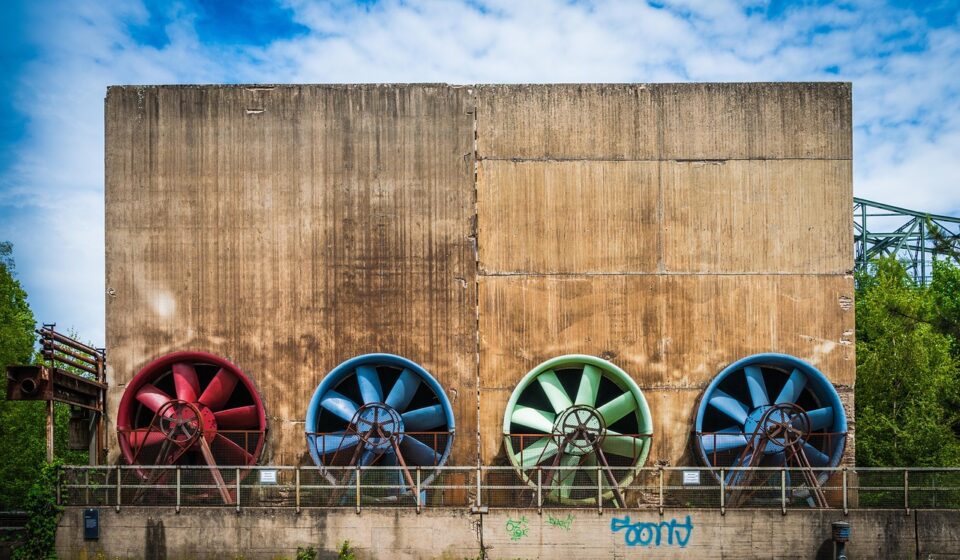
An industrial blower is more than an air-moving device. In a plant safety program, it may remove heat, dilute vapors, capture dust, supply process air, move material through ductwork or help keep contaminants away from workers. Safe selection depends on the duty point, air temperature, contaminants, pressure losses, motor location, guarding, maintenance access and the consequences if airflow is lost. For more articles on equipment risk control, see our industrial safety section.
The main safety question is practical: will the blower move the required air under real installed conditions without introducing new hazards? A catalog airflow rating is only a starting point. Duct layout, filter loading, inlet restrictions, discharge conditions, dust characteristics and maintenance practices can all change how the equipment performs after installation.
| Reference area | What it helps confirm | Practical use for blower decisions |
|---|---|---|
| OSHA machine guarding and lockout/tagout rules | Guarding of rotating parts and control of hazardous energy during servicing | Check fan blades, belts, pulleys, access panels and maintenance procedures |
| ACGIH industrial ventilation guidance | Ventilation design methods, hood behavior, duct losses and capture principles | Size the whole system instead of judging the blower alone |
| AMCA fan and air-system guidance | Installed performance and system effect from poor inlet or outlet conditions | Review elbows, transitions, dampers and obstructions near the blower |
| NFPA combustible dust standards | Dust fire, flash fire and explosion hazard controls | Evaluate dust collectors, isolation, venting, ignition sources and housekeeping |
| DOE and AMCA fan-system efficiency guidance | Relationship between operating point, efficiency, maintenance and energy use | Avoid chronic operation far from the intended duty point |
Key industrial blower hazards to evaluate before operation
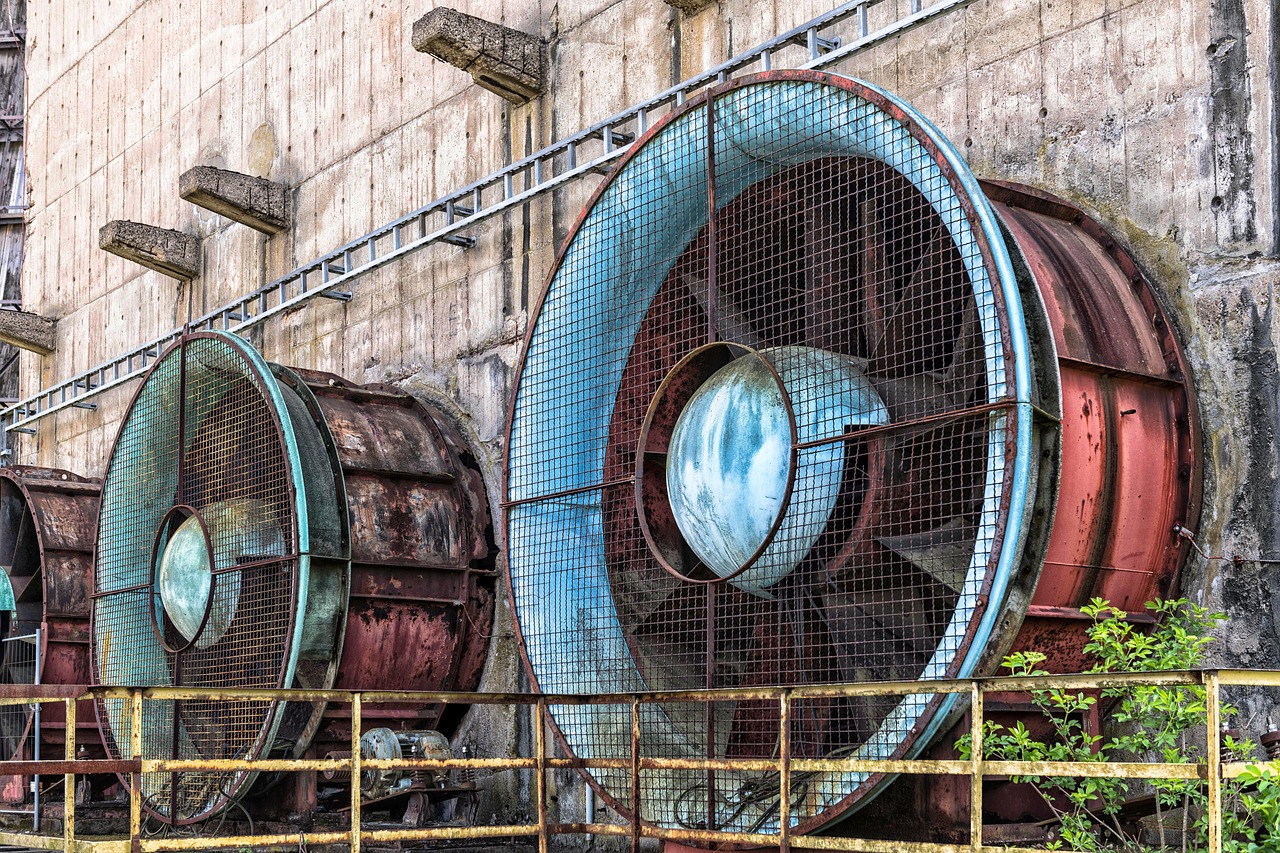
The most visible hazard is mechanical contact. OSHA general machine-guarding requirements address hazards such as rotating parts, ingoing nip points and flying material. For fans, OSHA also calls out guarding where blade peripheries are less than seven feet above the floor or working level. In a blower safety review, this means checking impellers, shafts, couplings, belt drives, sheaves, guards, inspection doors and any access opening that could expose a worker to moving parts.
Unexpected startup is another major risk. Blowers are often serviced during belt replacement, bearing lubrication, filter changeout, duct cleaning, damper work or dust collector inspection. OSHA lockout/tagout requirements are intended to prevent unexpected energization, startup or release of stored energy during servicing and maintenance. A safe procedure should identify electrical, pneumatic, hydraulic, thermal and stored rotational energy, not just place the control panel in the off position.
Noise, vibration and heat should be treated as safety signals, not just maintenance concerns. Rising vibration may indicate imbalance, bearing wear, loose foundations, material buildup on the impeller or operation near an unstable part of the fan curve. Excessive heat may point to bearing failure, belt slip, airflow restriction or unsuitable gas temperature. A loud blower is not automatically unsafe, but a change in sound should prompt inspection before a minor fault develops into an impeller, bearing or motor failure.
Air quality risk can be less obvious. A blower that exhausts contaminated air to the wrong location can reintroduce fumes, dust or heat into occupied areas. A recirculating system that is not designed for the contaminant can spread exposure. A process blower handling corrosive, sticky, hot or abrasive gas may require different materials, seals and cleaning access than a general ventilation blower.
How to specify an industrial blower with safety in mind
Safe specification starts with the system, not the motor size. Required airflow and static pressure should be based on the hood, duct, filter, collector, damper, silencer and discharge arrangement. If a blower is selected without realistic pressure losses, the installed system may under-capture contaminants or overload the motor when conditions change.
Document the gas stream before choosing construction. Key details include temperature range, moisture, corrosive content, particle size, dust loading, flammability, toxicity and whether sticky or fibrous material can accumulate on the impeller. Abrasive dust may require wear-resistant liners or more frequent inspection. Corrosive fumes may require compatible alloys or coatings. Hot air may require high-temperature bearings, shaft seals, expansion allowances and motor separation from the gas stream.
Do not treat spark-resistant construction as a universal explosion-control measure. It can reduce certain mechanical ignition risks, but it does not replace a combustible dust hazard analysis, electrical area classification, explosion isolation, deflagration venting or housekeeping where those controls are required. For dust-handling systems, the blower should be reviewed as part of the collector, duct and process equipment arrangement.
Maintenance access should be specified at the same time as airflow performance. Safer systems provide room to remove guards, inspect belts, open access doors, replace filters, clean ducts, measure pressure and reach lubrication points without climbing over hot surfaces or bypassing guards. If routine checks are difficult, they are less likely to be performed consistently.
Installation conditions that can change blower performance
AMCA guidance uses the term system effect to describe performance loss caused by field conditions that differ from ideal laboratory test arrangements. Common causes include elbows placed too close to the inlet, abrupt transitions, partially blocked inlets, poor discharge arrangements, uneven velocity profiles and duct changes made during installation. The result can be lower airflow, higher power draw, vibration, noise and unstable operation.
Good installation practice gives the blower a clean inlet and outlet path whenever the process allows it. Long-radius elbows, gradual transitions and adequate straight duct help reduce turbulence. Flexible connectors can isolate vibration, but they should not be distorted into a restriction. Dampers should be placed and controlled so they do not create severe swirl or starvation at the fan inlet.
Foundation and alignment matter as much as ductwork. A blower mounted on a weak base may transmit vibration into nearby structures or loosen fasteners over time. Belt-driven units need correct alignment, belt tension and guarded pinch points. Direct-drive units reduce belt hazards but still require coupling protection, bearing checks and safe access. After startup, field measurements of static pressure, motor current and airflow are often the only way to confirm that the installed system matches the design intent. See also: automation and controls.
Maintenance checks that prevent small defects from becoming incidents
An effective industrial blower inspection program is built around trends. One reading may be useful, but repeated measurements show whether the system is drifting. Operators should record motor current, vibration, bearing temperature, static pressure, filter differential pressure, belt condition, airflow indicators and unusual noise. When a dust collector is involved, rising differential pressure may indicate filter loading, plugged lines or cleaning-system problems; a sudden drop may suggest a leak, torn filter or bypass path.
| Observation | Possible meaning | Safety response |
|---|---|---|
| Airflow is below expected level | Plugged filters, blocked duct, closed damper, wrong rotation or system effect | Verify airflow before assuming the process is protected |
| Motor current is high | Operating point shift, overload, wrong wheel, excessive speed or mechanical drag | Compare with nameplate and design data; investigate before continued operation |
| Vibration is increasing | Imbalance, bearing wear, loose base, buildup or misalignment | Schedule inspection and avoid running to failure |
| Dust is escaping near equipment | Capture failure, leak, collector fault or poor housekeeping | Inspect the full collection path and review dust hazard controls |
| Guards are removed or modified | Maintenance shortcut or poor access design | Stop the unsafe condition and correct the access problem |
Before any internal inspection, cleaning or repair, use the site lockout/tagout procedure and confirm zero energy. Let hot surfaces cool, control falling material, and consider whether dust, fumes or low oxygen could create a confined-space or atmospheric hazard. The safest maintenance task is planned around isolation, access and verification before work begins.
Special attention for combustible dust systems
When an industrial blower is connected to a dust collector, sander, mill, conveyor, mixer or packaging line, dust characteristics become central to safety. OSHA and the U.S. Chemical Safety and Hazard Investigation Board have repeatedly identified combustible dust as a serious industrial hazard. NFPA 652 and related commodity-specific NFPA standards provide the framework for identifying and managing dust fire and explosion risks.
A dust-handling blower should be reviewed for ignition sources, material buildup, bearing location, inlet and outlet isolation, electrical classification, grounding and bonding, and compatibility with explosion-protection devices. If a collector has deflagration vents, the vent path must discharge to a safe location or use an engineered alternative. If explosion isolation is required, the blower, duct and collector arrangement should be evaluated as one connected system rather than separate pieces of equipment.
Housekeeping is also part of blower safety. A ventilation system can reduce airborne dust at the source, but it cannot make accumulated dust on beams, floors and equipment harmless. If dust escapes from hoods, ducts or collectors, the answer is not simply a larger blower. The system may need better capture design, leak repair, duct velocity review, filter maintenance or process changes.
Practical audit questions for safer blower operation
- What contaminant, temperature and moisture conditions does the blower actually handle?
- Is the current airflow verified by measurement, or assumed from catalog data?
- Are fan blades, belts, pulleys, couplings and access doors guarded against contact?
- Can maintenance staff lock out all hazardous energy before opening the system?
- Are inlet and outlet duct conditions creating avoidable system effect?
- Are vibration, motor current and pressure drop trended over time?
- For dust service, has the facility evaluated combustible dust hazards and explosion isolation needs?
- Can filters, bearings, belts and dampers be serviced without unsafe climbing or guard removal shortcuts?
A reliable industrial blower safety program combines engineering design, installation verification and disciplined maintenance. A blower that is properly selected but poorly installed can fail to protect workers. A well-installed blower that is not inspected can drift into unsafe operation. Treat the blower as part of a larger safety system, and the equipment becomes easier to manage, troubleshoot and improve.
Frequently asked questions
Is an industrial blower the same as an industrial fan?
The terms are often used loosely, but they are not always interchangeable. In many industrial discussions, a blower is associated with higher pressure or process duty than a general fan. The safer approach is to define the required airflow, static pressure, gas stream, construction and application instead of relying on the name alone.
How often should an industrial blower be inspected?
Inspection frequency depends on service severity. Clean-air ventilation may need routine visual and vibration checks, while abrasive, corrosive, hot or dust-laden service may require closer monitoring. Manufacturer instructions, site risk assessments and operating history should set the interval.
Can a larger blower solve poor dust capture?
Not always. Poor capture may come from hood design, duct leakage, low transport velocity, filter loading, poor inlet conditions or process changes. Increasing blower size without system analysis can raise noise, energy use, wear or explosion risk while still failing to capture dust effectively.
What is the most important safety control during maintenance?
Lockout/tagout is usually the starting point because it helps prevent unexpected startup and release of hazardous energy. It should be combined with guarding, atmospheric checks when needed, safe access, cooling time for hot equipment and verification that rotating parts have stopped.