How heavy equipment machinery fits into modern production systems
The role of heavy equipment machinery in production systems
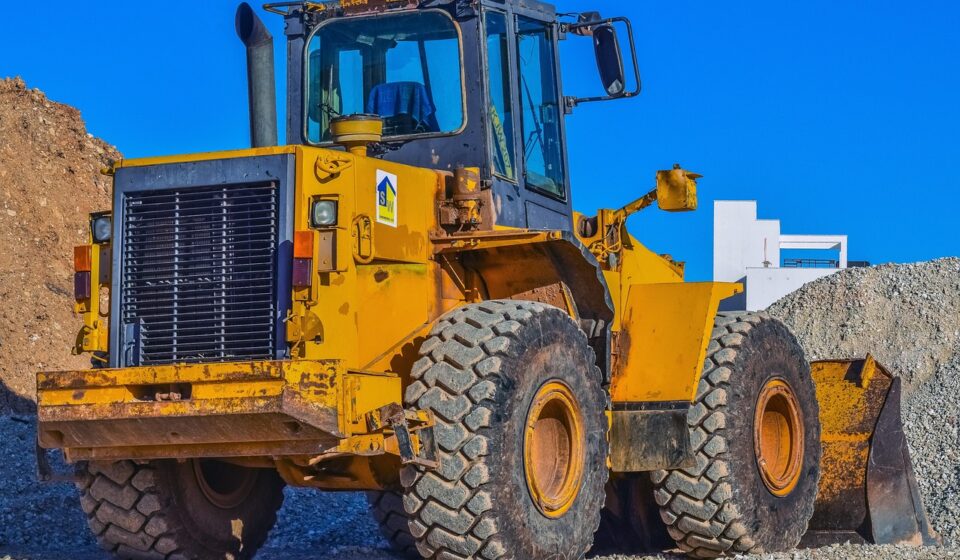
Heavy equipment machinery forms the high-capacity layer of a production system. It moves mass, shapes sites, lifts loads, feeds processes and removes bottlenecks that smaller tools cannot handle. In construction, mining, agriculture, logistics and industrial yards, machines such as excavators, loaders, dozers, cranes, telehandlers, forklifts and compactors influence how quickly material can move from one step to the next. The main question is not simply which machine has the highest rating, but whether each machine fits the workflow, operator skill level, maintenance plan, site constraints and compliance requirements. For readers following industrial workflow design, this article connects heavy equipment decisions with broader production systems planning.
A production system turns inputs into usable output through a sequence of coordinated activities. Heavy machinery becomes productive when it is specified, scheduled and maintained as part of that sequence. A wheel loader waiting for trucks, a crane without a prepared lift plan, or a forklift operating without clear traffic rules can reduce output even when the machine itself is powerful. A better approach is to treat machinery as a connected resource with measurable capacity, downtime risk and safety exposure.
Main equipment families and where they add value
The term heavy equipment machinery covers a wide range of mobile and fixed assets. The categories below are not exhaustive, but they show how different machines support production flow rather than standing alone as individual purchases.
| Equipment family | Typical machines | Production system role | Key planning concern |
|---|---|---|---|
| Earthmoving and site preparation | Excavators, bulldozers, graders, scrapers | Prepare surfaces, remove material, create grades and open access routes | Soil type, cycle time, reach, traction and haul distance |
| Loading and material transfer | Wheel loaders, skid steers, backhoe loaders | Feed crushers, trucks, hoppers, stockpiles and batch operations | Bucket size, dump height, turning radius and queue time |
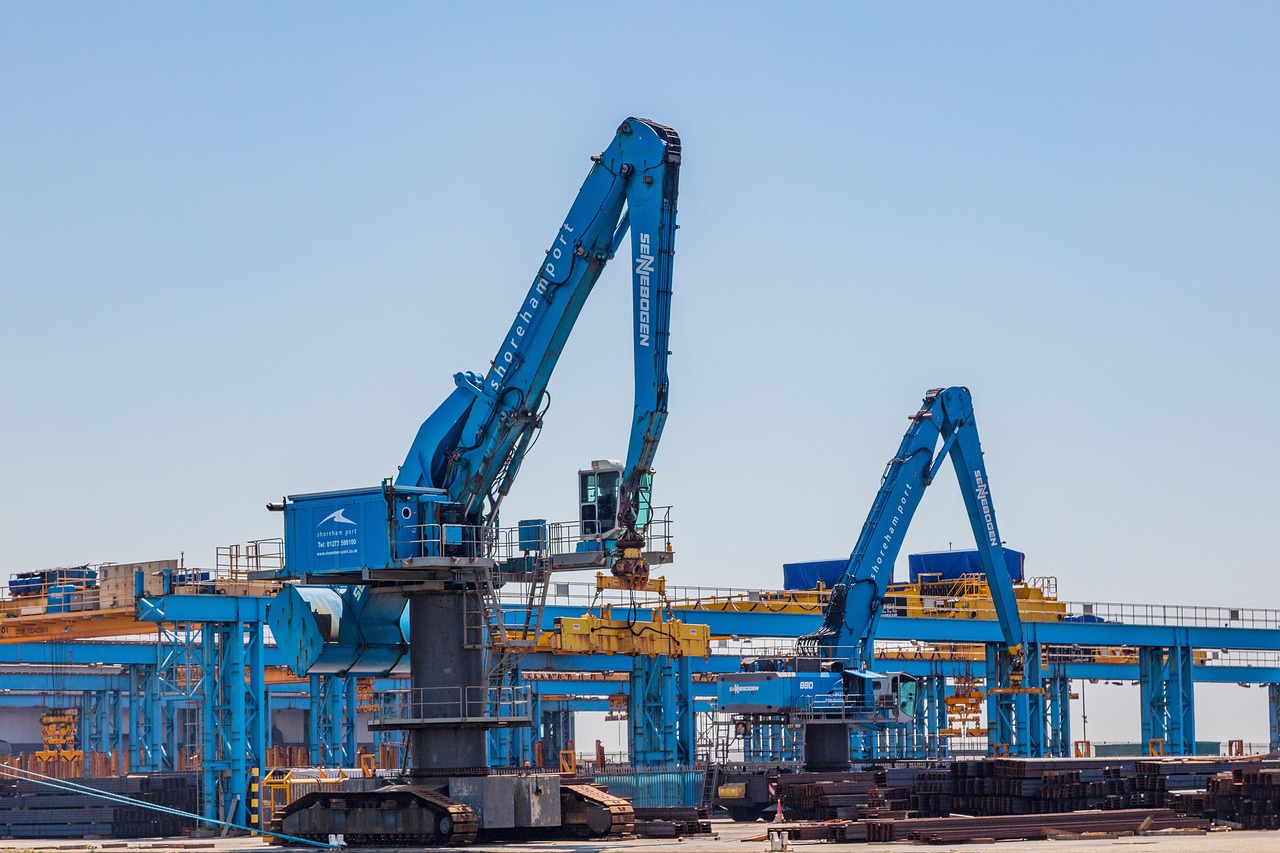
| Lifting and positioning | Cranes, telehandlers, boom lifts, forklifts | Move components, pallets and structures into precise positions | Rated capacity, load chart, ground bearing pressure and operator visibility |
| Compaction and roadwork | Rollers, pavers, compactors, milling machines | Convert prepared material into stable surfaces and transport corridors | Layer thickness, moisture, pass count and quality verification |
| Processing and support | Crushers, screeners, generators, compressors, pumps | Support core production by preparing material or supplying power and utilities | Feed consistency, energy demand, service access and environmental limits |
In practice, the same machine can play different roles depending on the system. A forklift in a factory may be a short-distance transport asset, while a telehandler on a construction site may serve as a flexible lift-and-place machine. A loader at a quarry may be judged mainly by tons per hour; a loader in a municipal yard may be valued more for versatility and seasonal utilization.
Selection criteria that affect throughput and lifecycle cost
Heavy machinery selection should start with the job sequence, not the brochure specification. Rated horsepower, lift capacity and bucket volume matter, but they only become useful when tied to real operating conditions. A machine that is oversized for the site can waste fuel, damage surfaces and sit idle. A machine that is undersized can create queues, extend shifts and increase wear because operators must push it beyond an efficient duty cycle.
Match capacity to workflow instead of peak demand alone
Many production losses occur at interfaces: loading to hauling, lifting to installation, excavation to truck dispatch, or pallet movement to assembly. The right machine supports balanced flow. For example, increasing excavator size may not improve output if truck availability, dump location or permit limits remain unchanged. A practical specification process should compare cycle time, expected utilization, travel distance, attachment changes, refueling or charging time, and planned maintenance windows.
Measure total cost of ownership
Purchase price is only one part of cost. A realistic lifecycle view includes fuel or electricity, preventive maintenance, tires or tracks, attachments, operator training, insurance, inspection time, transport costs, residual value and downtime. Manufacturers and fleet managers increasingly emphasize uptime and serviceability because a machine that is unavailable during a critical production window can cost more than its repair invoice. For high-utilization fleets, parts availability and dealer or service network coverage can be as important as raw performance.
Design for operators and site conditions
Operator comfort, visibility, control layout and assistive technology affect both safety and output. In markets with high labor costs or operator shortages, productivity features such as grade control, payload monitoring, automated compaction measurement and camera systems can help standardize work. These tools do not remove the need for trained operators, but when properly implemented they can reduce rework and improve consistency.
Safety, standards and compliance checkpoints
Heavy equipment machinery introduces predictable hazards: struck-by incidents, caught-between risks, rollovers, suspended loads, blind spots, unstable ground, traffic conflicts and energy release during maintenance. A production system that relies on heavy machines needs controls at the planning level, not only reminders at the operator level.
In the United States, OSHA requirements for powered industrial trucks are set out in 29 CFR 1910.178, which covers issues such as operator training, truck operations and safe handling practices. OSHA material on powered industrial trucks also distinguishes forklifts and related industrial trucks from some equipment intended primarily for earthmoving or over-the-road hauling. For earth-moving machinery, ISO 20474-1:2017 provides general safety requirements for machine families within its scope and addresses significant hazards associated with intended use and reasonably foreseeable misuse. These references are useful because they show that safety is both a machine design issue and an operating system issue.
A practical safety framework should include the following:
- Pre-use inspections matched to the machine type, attachment and site condition.
- Traffic plans separating pedestrians, light vehicles and heavy mobile equipment where possible.
- Defined exclusion zones around swinging upper structures, suspended loads and reversing equipment.
- Ground condition checks before lifting, outriggers, trench work or stockpile travel.
- Clear rules for parking, shutdown, lockout and maintenance access.
- Operator authorization based on machine type and task, not just general experience.
Safety planning also protects output. Incidents, near misses and unplanned shutdowns interrupt production, trigger investigations and increase insurance and labor pressure. A machine chosen for speed but operated without visibility controls or traffic discipline can become a system-level risk.
Digital integration, emissions and power choices
Two changes are reshaping how heavy equipment fits into production systems: machinery is becoming more data-connected, and energy choices are becoming more strategic. Neither trend replaces fundamentals such as preventive maintenance and skilled operation, but both affect how fleet decisions are made.
Telematics and machine control
Telematics can report location, operating hours, idle time, fault codes, fuel use and maintenance alerts. Machine control systems can help operators hit target grades, compact to specification or load to a planned payload. Industry reporting from equipment manufacturers and trade groups through 2025 and 2026 consistently points to connectivity, automation, machine control and digital construction technology as areas of continuing investment. The production value is strongest when data changes decisions, such as dispatching equipment more accurately, reducing idle time, planning service before failure or verifying completed work. See also: automation and controls.
However, more data does not automatically mean better performance. Fleet managers need consistent naming, operator buy-in, clean maintenance records and clear thresholds for action. If alerts are ignored or reports are not connected to scheduling, telematics becomes another dashboard rather than a production tool.
Diesel, hybrid and electric machines
Diesel remains common in high-duty-cycle heavy machinery because of energy density, refueling speed and established service infrastructure. In the United States, the Environmental Protection Agency regulates nonroad compression-ignition engines used in many types of heavy equipment. EPA material on Tier 4 standards explains that emissions control involves both engine technologies and low-sulfur diesel fuel, with ultra-low sulfur diesel limited to 15 parts per million sulfur.
Electric and hybrid equipment can be attractive for indoor work, urban jobsites, noise-sensitive areas, short-haul material handling and operations with predictable charging windows. The limitation is that battery capacity, charger availability, grid connection, duty cycle and ambient conditions can all affect productivity. A battery-electric compact loader may fit a warehouse or municipal workflow, while a large quarry machine running long shifts may require a different power strategy. The right decision is application-specific rather than ideological.
Implementation checklist for planners and operators
Integrating heavy equipment into a production system is easier when teams use a repeatable planning checklist. The following steps connect machine selection with real output, safety and cost control.
- Define the production task. Specify the material, distance, lift height, grade tolerance, cycle time, shift pattern and environmental conditions.
- Map upstream and downstream constraints. Identify trucks, conveyors, crews, storage points, permits and inspection steps that may limit throughput.
- Choose the machine and attachment together. A bucket, fork, grapple, breaker or blade can determine performance as much as the base machine.
- Confirm site compatibility. Check access width, turning space, overhead clearance, ground pressure, slope, ventilation and refueling or charging location.
- Plan maintenance before deployment. Set inspection intervals, wear-part inventory, service access and escalation rules for fault codes or leaks.
- Train for the task. Operator authorization should reflect the machine, attachment, load type and jobsite hazards.
- Review data after use. Compare planned utilization with actual operating hours, idle time, output and downtime to improve future scheduling.
The most resilient production systems do not depend on one large machine doing everything. They balance equipment size, operator capability, maintenance discipline and workflow design. In many cases, the best improvement is not buying a larger machine, but removing waiting time, standardizing attachments, improving traffic flow or scheduling service before breakdowns.
Frequently asked questions
What is included in heavy equipment machinery?
Heavy equipment machinery generally includes large mobile or stationary machines used to move earth, lift loads, handle bulk material, compact surfaces, process aggregates or support industrial work. Examples include excavators, loaders, dozers, graders, cranes, telehandlers, forklifts, compactors, crushers, screeners, pumps and generators. The exact definition depends on the industry and application.
How is heavy equipment different from ordinary industrial machinery?
Heavy equipment usually handles larger loads, harsher environments and mobile site conditions. Ordinary industrial machinery may be fixed inside a plant and integrated into a controlled production line, while heavy equipment often works outdoors or across changing routes. The distinction matters because mobility, operator visibility, ground condition, transport logistics and site safety controls become central planning factors.
Is buying or renting better for heavy equipment?
The answer depends on utilization, cash flow, maintenance capability and project duration. Buying can make sense for machines with high, predictable use and available service support. Renting can be more flexible for short projects, specialized attachments, seasonal peaks or uncertain workloads. A lifecycle comparison should include downtime risk, transport, insurance, maintenance, residual value and the cost of delayed production.
What trend matters most for heavy equipment in production systems?
The most practical trend is integration. Telematics, machine control, emissions planning, electric options and automation all matter, but their value depends on whether they improve scheduling, uptime, safety or quality. A connected machine that reduces idle time or prevents a failure is more useful than a complex feature that does not change day-to-day decisions.
How can a site improve heavy equipment productivity without adding machines?
Start by reducing waiting time. Improve haul routes, remove traffic conflicts, match trucks to loaders, prepare work areas before equipment arrives, keep attachments organized and use maintenance data to avoid unexpected downtime. Small workflow changes can raise effective capacity without increasing fleet size.