Industrial safety items to evaluate before purchasing
Industrial safety items are a control system, not a checklist
Industrial safety items include personal protective equipment, warning devices, lockout tools, emergency supplies, monitoring instruments and communication materials used to reduce workplace risk. The starting point is not a catalog page. It is a documented hazard assessment that identifies what can injure workers, how often exposure occurs, how severe the outcome could be and which controls are already in place. OSHA’s general PPE rules require employers to assess hazards, select protective equipment and train affected employees. NIOSH also places PPE near the bottom of the hierarchy of controls, so it should support—not replace—elimination, substitution, engineering controls and administrative controls. For broader workplace protection topics, see our industrial safety section.
Start with the hazards the item must control
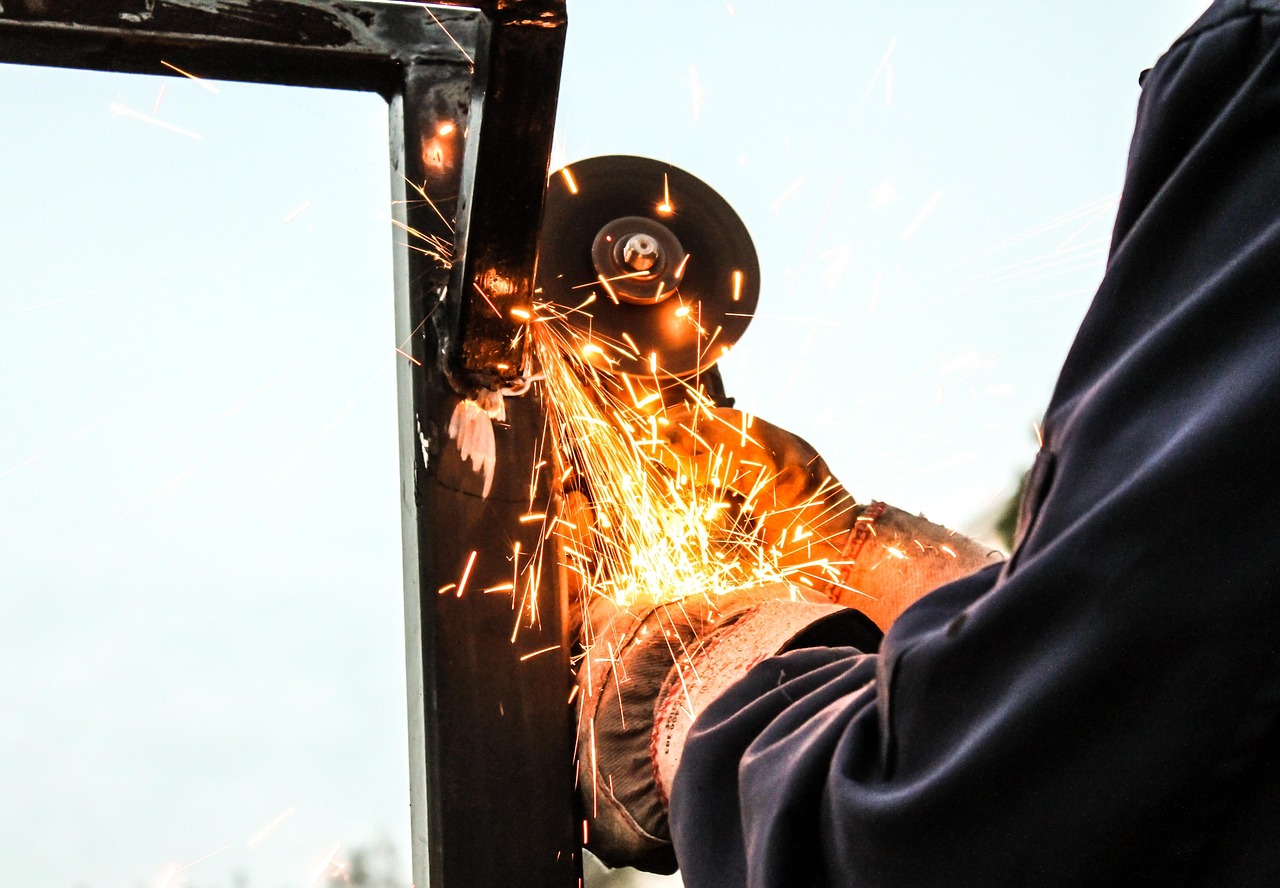
A useful safety item list is task-specific. A grinder operator, warehouse picker, maintenance electrician, forklift mechanic and chemical mixer may all need eye protection, but their exposures are not the same. Impact, splash, dust, arc flash, noise, heat, stored energy, falling objects and vehicle movement call for different controls and different evidence that the selected item is suitable.
Before purchasing, map each task to the hazard, exposure route, expected duration, required protection level, applicable regulation or consensus standard, and the training needed for correct use. This helps prevent two common failures: buying generic equipment that workers avoid because it fits poorly, and using PPE as a substitute for safer machine design, ventilation, guarding or traffic separation.
Core categories of industrial safety items
The categories below offer a practical framework for industrial workplaces. They are not a legal compliance checklist, because requirements vary by jurisdiction, industry, task and exposure level.
| Category | Common items | Selection focus |
|---|---|---|
| Head, eye and face protection | Hard hats, safety glasses, goggles, face shields, welding shields | Match the item to impact, splash, heat, optical radiation and flying-particle hazards. ANSI/ISEA Z87.1-2025 is the current eye and face protection standard widely referenced for testing, marking, selection, care and use. |
| Hand and arm protection | Cut-resistant gloves, chemical gloves, heat gloves, sleeves | Select by cut, puncture, abrasion, chemical permeation, dexterity and thermal exposure. ANSI/ISEA 105-2024 uses cut levels that help compare glove performance, but the task still determines suitability. |
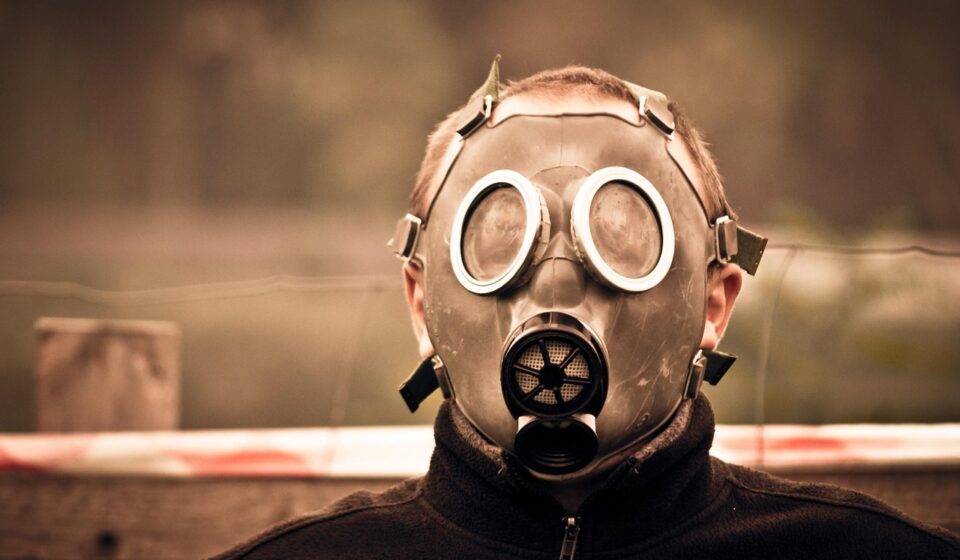
| Respiratory protection | Filtering facepiece respirators, elastomeric respirators, cartridges, supplied-air systems | Use only after exposure assessment. When respirators are required, OSHA 29 CFR 1910.134 requires a written program, medical evaluation, fit testing for tight-fitting respirators, training and maintenance. |
| Hearing protection | Earplugs, earmuffs, canal caps, fit-testing tools | Base selection on measured noise exposure. OSHA’s occupational noise rule requires hearing protectors for employees exposed at or above an 8-hour time-weighted average of 85 dBA under specified conditions. |
| Fall and elevated-work protection | Guardrails, anchors, harnesses, lanyards, self-retracting lifelines, ladder safety devices | Prefer fall prevention over fall arrest where feasible. OSHA’s FY 2025 enforcement data again placed construction fall protection among the most frequently cited standards, showing persistent risk. |
| Energy control and machine safety | Lockout locks, tags, hasps, valve covers, breaker lockouts, machine guards, interlocks | Use for maintenance, jam clearing and servicing where unexpected startup or stored energy could injure workers. OSHA 29 CFR 1910.147 requires energy-control procedures and verification steps. |
| Hazard communication and visual controls | Labels, SDS stations, floor markings, pipe markers, signs, tags, barricade tape | Make hazards visible and understandable. OSHA updated its Hazard Communication Standard in a final rule published May 20, 2024, effective July 19, 2024, affecting labels, safety data sheets and classifications. |
| Emergency and response items | Eyewash stations, safety showers, first-aid kits, spill kits, fire extinguishers, rescue equipment | Place items where exposure or incident response time matters. Selection should reflect chemicals used, work area layout, rescue limitations and inspection responsibility. |
What recent safety data implies for buying priorities
Recent U.S. injury data reinforces why safety items should be tied to actual exposure patterns. The Bureau of Labor Statistics reported 5,070 fatal work injuries in the United States in 2024, down from 5,283 in 2023, and private industry employers reported 2.5 million nonfatal workplace injuries and illnesses in 2024. These figures do not prove that any single item prevents a specific incident, but they show that serious risk remains common enough to justify disciplined selection and maintenance.
The same data also shows why a narrow PPE-only program is incomplete. Transportation incidents, falls, contact incidents and exposure events often require a mix of traffic controls, engineering design, machine guarding, energy isolation, training, supervision and emergency response. PPE is important, but it is the final barrier when higher-level controls cannot fully remove the hazard.
OSHA’s FY 2025 most-cited standards also point to practical purchasing priorities. Fall protection, hazard communication, respiratory protection, ladders, scaffolding, lockout/tagout and powered industrial trucks are recurring enforcement themes. For buyers and safety managers, the implication is straightforward: items should be selected together with the program that makes them effective, not treated as standalone supplies.
How to evaluate an item before it enters the workplace
- Define the hazard and exposure. State exactly what the item is meant to control, such as airborne silica, metal splash, 100 dBA noise, sharp sheet metal, forklift traffic or stored hydraulic energy.
- Confirm the applicable requirement. Identify whether the item is tied to an OSHA rule, a state-plan requirement, a consensus standard, an insurance requirement or an internal company rule.
- Check compatibility. Safety glasses, respirators, earmuffs, hard hats and face shields must work together. One poorly matched item can reduce the effectiveness of another.
- Test fit and usability. Workers are more likely to use items that fit different body sizes, do not create new ergonomic problems and allow the task to be completed safely.
- Plan training before rollout. Training should cover when to use the item, its limits, how to inspect it, how to store it and when to remove it from service.
- Define inspection and replacement rules. Disposable, reusable and life-safety items need different inspection intervals. Damaged, contaminated or expired items should be removed promptly.
- Record the decision. Keep the hazard assessment, selected protection level, user group, training record and inspection responsibility in one place.
Inspection, storage and training matter as much as the item
Many industrial safety items fail in practice because ownership is unclear. A respirator cartridge left in the open, a harness stored wet, a cracked face shield, an unlabeled secondary chemical container or a lockout kit missing a breaker device can create a false sense of protection. Assign responsibility for inspection, storage, cleaning, replacement and stock control before the item is issued.
Training should be short, specific and repeated when tasks, materials, equipment or rules change. Respirator users need more than a product handout; when respirator use is required, they need fit testing and program controls. Hearing protection users need fitting instruction because real-world attenuation can be much lower than laboratory ratings if plugs are inserted poorly. Lockout users need to understand the equipment-specific energy-control procedure, not just the color of a lock. See also: automation and controls.
A simple inspection rhythm can improve reliability: check critical life-safety items before use, inspect shared emergency equipment on a scheduled basis, review chemical labels and SDS access after material changes, and audit PPE condition during routine safety observations. The goal is not paperwork for its own sake. It is to keep protective items ready at the moment they are needed.
Common mistakes to avoid
- Buying by job title instead of task. A maintenance worker may weld, troubleshoot electrical equipment, enter noisy rooms and handle solvents in the same week. One generic PPE kit rarely covers all exposures.
- Assuming a higher rating is always safer. Overprotective gloves may reduce dexterity, oversized hearing protection may block needed communication, and heavy clothing may increase heat stress.
- Ignoring program requirements. Respirators, fall arrest systems, powered industrial truck safety equipment and lockout devices only work inside a managed program with training, inspection and supervision.
- Letting visual controls become outdated. Labels, signs and floor markings lose value when chemicals, traffic routes, storage areas or machine layouts change without updates.
- Failing to remove damaged items. A damaged harness, cracked lens, contaminated glove or illegible tag should not stay in circulation simply because it is still physically present.
Frequently asked questions
What are industrial safety items?
They are tools, devices, protective equipment and communication materials used to reduce workplace safety and health risks. Examples include PPE, lockout devices, machine guards, signs, labels, spill kits, eyewash stations, fire extinguishers and exposure-monitoring instruments.
Are industrial safety items the same as PPE?
No. PPE is one category of industrial safety items. A mature safety program also includes engineering controls, warning systems, energy-control devices, emergency equipment, monitoring instruments, written procedures and training materials.
Which industrial safety items should be purchased first?
Purchase priority should follow risk, not popularity. Start with hazards that have high severity, frequent exposure, known compliance requirements or poor existing controls. Fatality and serious-injury potential should receive special attention even if incidents have been rare.
How often should safety items be inspected?
Inspection frequency depends on the item and the hazard. Some items, such as fall arrest equipment and respirators, need pre-use checks. Emergency stations, first-aid supplies, extinguishers and shared equipment need scheduled inspections. Any item exposed to impact, chemicals, heat or contamination should be reviewed before reuse.
Do consensus standards replace OSHA requirements?
No. Consensus standards can help define performance, testing and marking expectations, but they do not automatically replace legal obligations. Employers should verify applicable OSHA, state-plan, local and industry-specific requirements before relying on any single standard or product claim.