How to choose industrial washing machines for production systems
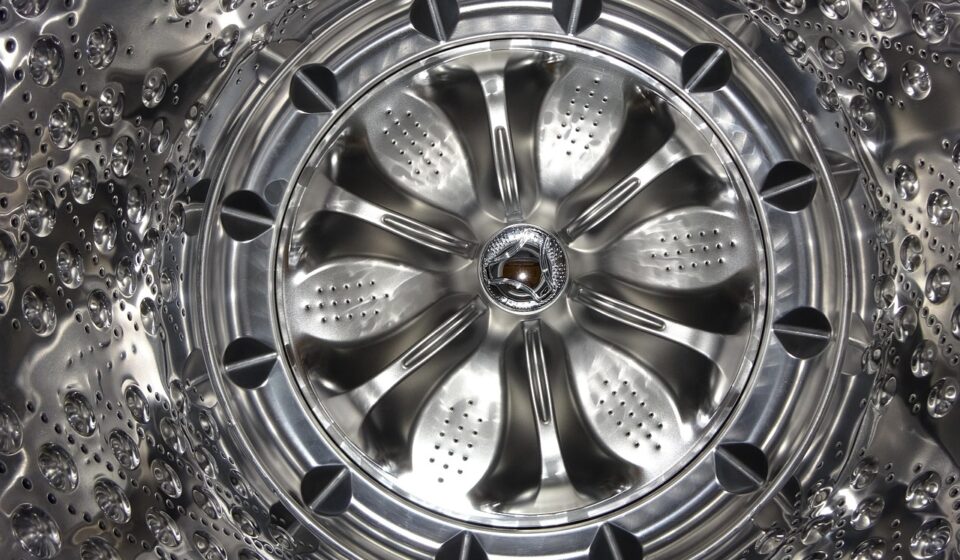
Industrial washing machines are process equipment
Choosing industrial washing machines starts with the production problem: what is being washed, which contamination must be removed, how clean or dry the output must be, and how the equipment will fit into the rest of the line. A laundry washer-extractor, tunnel washer, parts washer and crate washer may all be described as industrial washing machines, but they are built for very different workloads. The right choice depends on load type, throughput, water and energy demand, safety controls, sanitation expectations and maintenance access. For facilities reviewing broader production systems, washing equipment should be evaluated as part of material flow, not as a standalone utility purchase.
This guide focuses on practical selection criteria for plants, laundries, food processors, logistics operators and manufacturers that need repeatable washing performance without overbuying capacity or underestimating utility costs.
Start with the item being cleaned
The first selection mistake is comparing machines by capacity alone. A 100 kg textile load, a batch of machined parts, a stack of plastic crates and a stainless process vessel create different cleaning problems. Before discussing models, document the load shape, material, soil type, required dryness, acceptable residue level, temperature limits and how operators will load and unload the machine.
Textile and laundry loads
Industrial laundry applications usually involve linens, uniforms, mats, wipers or protective garments. Common equipment includes washer-extractors for batch processing and tunnel washers for continuous high-volume work. In this category, mechanical action, water temperature, chemistry, extraction speed and cycle programming all affect cleanliness as well as drying energy. U.S. EPA WaterSense at Work guidance notes that washer-extractors with built-in water recycling can store rinse water from one load for use in the next, and that tunnel washers should be considered where large laundry volumes are processed.
Parts, crates and process components
Manufacturing and food-handling facilities often use industrial washing machines for metal parts, trays, bins, molds, pallets, tote boxes, filters or tools. These systems may use spray nozzles, immersion tanks, ultrasonic cleaning, rotating baskets, conveyors, filtration and heated rinse stages. The key question is not simply whether the machine can hold the item. It is whether the cleaning method can remove the actual soil, such as oil, chips, polishing compound, protein residue, starch, labels, dust or cleaning chemicals left from an earlier step.
Match machine type to throughput and risk
Industrial washing machines should match the rhythm of production. A batch washer can be flexible and easier to validate. A continuous machine can reduce handling and improve flow when the product mix is stable. The comparison below can help narrow the equipment category before buyers request supplier proposals.
| Machine type | Typical use | Where it fits | Main watch point |
|---|---|---|---|
| Washer-extractor | Textiles, uniforms, linens, mats | Batch laundry operations with variable loads | Water use, extraction speed, cycle control and loading ergonomics |
| Tunnel washer | High-volume laundry | Large plants with predictable throughput | Requires steady volume, sorting discipline and careful water balance |
| Cabinet parts washer | Machined parts, tools, components | Maintenance shops and manufacturing cells | Basket size, spray coverage, filtration and detergent compatibility |
| Immersion or ultrasonic washer | Complex parts and fine contamination | Precision cleaning where spray cannot reach all surfaces | Bath management, residue limits and material compatibility |
| Crate, bin or pallet washer | Reusable containers and food logistics items | Food, beverage, agriculture and distribution facilities | Conveyor speed, nozzle access, hygiene design and drying needs |
| Clean-in-place or clean-out-of-place system | Pipes, tanks, vessels and removable process parts | Food, beverage, pharmaceutical and chemical processing | Validation, chemical concentration, temperature control and drainage |
For high-risk products, such as food contact items or components used in regulated manufacturing, repeatability may matter more than speed. A slower machine with validated recipes, documented alarms and consistent coverage may be a better fit than a larger machine that creates difficult inspection points.
Water, heat and drainage can decide the real cost
The purchase price of industrial washing machines is only one part of ownership cost. Water supply, wastewater treatment, heating energy, detergent, compressed air, filtration media, spare parts and labor can outweigh the initial price over the life of the machine. That is why utility review should happen before the specification is finalized.
For laundry equipment, EPA WaterSense at Work describes water use with measures such as gallons per pound of fabric and recommends efficient programming, water recycling and equipment replacement where older machines use excessive water. The same guidance states that some washer-extractors with water recycling can use less than 2.5 gallons per pound of laundry, although actual savings vary by load type, soil level and operating pattern.
In the U.S. commercial clothes washer category, Department of Energy rules use efficiency metrics such as modified energy factor and integrated water factor. Federal standards for front-loading commercial clothes washers manufactured on or after January 1, 2018 list a minimum modified energy factor of 2.00 and a maximum integrated water factor of 4.1 gallons per cubic foot per cycle. These figures are useful when comparing commercial laundry equipment, but they should not be applied blindly to every industrial washing machine. Parts washers, crate washers and process cleaning systems are evaluated differently.
A simple load calculation helps avoid oversizing
Before requesting quotes, estimate daily and peak-hour washing demand. For laundry, calculate pounds or kilograms per hour, number of loads per shift and required drying capacity. For parts or containers, calculate pieces per hour, soil level, dwell time, rinse requirement and drying or cooling time. Then compare that demand with available utilities. A machine may be able to process the load on paper and still fail in practice if the plant cannot supply enough hot water, steam, drain capacity or electrical power during peak operation.
Safety and compliance should be designed in early
Industrial washing machines can involve rotating drums, moving conveyors, hot surfaces, chemicals, steam, pressurized spray and wet electrical environments. Safety features should not be treated as optional accessories. In U.S. laundry operations, OSHA standard 29 CFR 1910.264 addresses machinery and operating requirements for laundry equipment. OSHA also points laundry facilities to machine guarding, lockout and tagout, confined space and related safety requirements where applicable.
For washing machines used in laundries, OSHA requires means for holding open inner and outer cylinder doors or covers while loading and unloading. The same standard addresses employee instruction, guarding practices and protection around steam piping. These details point to a broader procurement issue: equipment should support safe routine operation, cleaning, jam clearing and maintenance, not only safe automatic operation with all guards closed.
For washdown or wet production areas, electrical enclosure selection is also important. Buyers commonly review enclosure protection for hose-directed water, corrosion exposure and dust, using ratings such as NEMA types or IP codes where relevant to the market. Stainless steel construction can help in corrosive or hygienic environments, but stainless steel alone does not guarantee cleanability. Weld quality, drainability, gasket design, dead legs, nozzle access and tool-free removal of contact parts may matter more than the material label.
Controls and data are becoming more valuable
Modern industrial washing machines increasingly use programmable recipes, conductivity monitoring, temperature logging, chemical dosing, automatic water level control, variable-speed drives and remote diagnostics. These functions are valuable when they reduce variation or make problems visible. They add less value when they increase complexity without improving cleaning results. See also: automation and controls.
EPA guidance for commercial and institutional laundry equipment recommends considering machines that support remote diagnosis by the manufacturer to reduce troubleshooting time and maintenance cost. In a production setting, similar value comes from clear alarms, trend data, cycle histories and easy export of operating records. A plant can use cycle logs to identify repeated low-temperature events, overloaded baskets, chemical dosing faults or rinse failures before they become quality problems.
When comparing control systems, ask whether operators can select approved recipes without editing critical parameters. Maintenance teams should be able to access pumps, valves, filters and sensors without dismantling the machine. Engineering teams should confirm whether the machine can communicate with plant monitoring systems, but connectivity should not be used as a substitute for basic mechanical reliability.
Procurement checklist for industrial washing machines
A structured checklist helps buyers compare suppliers on evidence instead of catalog language. The following points are suitable for an initial specification or request for quotation.
- Define the load by material, dimensions, weight, soil type and maximum temperature tolerance.
- State the required output condition, such as visually clean, residue-controlled, dry-to-touch, sanitized or ready for the next process.
- Specify normal throughput and peak throughput by hour, shift and day.
- Ask for water, steam, electrical, compressed air and drainage requirements at peak operation, not just average operation.
- Request cycle time assumptions, including loading, unloading, draining, rinsing, drying and cooling.
- Confirm detergent, solvent or chemical compatibility with seals, pumps, sensors and product materials.
- Review guarding, interlocks, emergency stops, lockout points and safe maintenance access.
- Ask how filters, nozzles, strainers, tanks and heat exchangers are inspected and cleaned.
- Require documentation for installation, operation, preventive maintenance and spare parts.
- For critical applications, plan sample washing trials, factory acceptance testing and site acceptance testing.
The strongest supplier proposal is not always the one with the largest capacity claim. A better proposal explains the cleaning mechanism, utility assumptions, load limits, maintenance tasks and evidence behind the expected performance.
Common selection mistakes to avoid
One common mistake is buying for maximum theoretical throughput while ignoring the real bottleneck. If operators need extra time to sort, load, inspect or dry items, the washer will not achieve its catalog output. Another mistake is treating water recycling as automatically beneficial. Recycling can reduce water use, but it must be designed around soil load, filtration, odor control and hygiene requirements.
A third mistake is focusing only on stainless steel construction. Material quality is important, but poor drainage, inaccessible nozzles, hard-to-clean screens or weak controls can still create contamination risk. Buyers also underestimate installation work. Industrial washing machines may require floor loading checks, ventilation, splash control, chemical storage, backflow prevention, wastewater review and operator training before the first production run.
Frequently asked questions
What is the difference between commercial and industrial washing machines?
Commercial washing machines are often designed for laundromats, shared housing, hotels or institutional laundry rooms. Industrial washing machines may include much larger laundry systems, parts washers, crate washers, tunnel washers and process cleaning equipment integrated into manufacturing or sanitation lines. The industrial category is broader and usually requires more attention to utilities, automation, safety and cleaning validation.
When does a tunnel washer make sense?
A tunnel washer usually makes sense when a facility has high, steady laundry volume and disciplined sorting. It can improve flow and water reuse, but it is less flexible than batch washing when loads, soil levels and recipes change frequently.
How can a facility reduce water use?
Common methods include matching water levels to load size, reusing final rinse water where appropriate, maintaining spray nozzles, filtering recirculated water, repairing leaking valves, optimizing chemistry and replacing old equipment with more efficient machines. Savings depend on soil level, hygiene requirements and how the washer is operated.
Do all industrial washing machines need validation?
No. A maintenance parts washer may only need practical cleanliness checks and preventive maintenance records. A washer used for food contact items, medical textiles, pharmaceutical components or regulated production may need documented recipes, monitoring records and formal acceptance testing.
Is stainless steel always required?
Stainless steel is common in wet, corrosive and hygienic environments, but the grade and finish should match the chemicals and cleaning conditions. Some non-contact frames or guards may use coated steel, while product-contact or wash-zone components may need stainless materials with smooth, drainable construction.