Industrial safety systems for reducing risk in modern facilities

What industrial safety systems include
Industrial safety systems are the combined controls, procedures, technologies and management routines that help a facility identify hazards, reduce exposure and respond when something goes wrong. They are not limited to alarms, guards or emergency stops. A mature system connects risk assessment, engineered safeguards, worker participation, maintenance, training, incident learning and leadership review. For readers following broader industrial safety topics, the key point is that effective protection is layered. No single device, policy or software platform can make a plant safe if hazards are not understood, controls are not verified and workers are not involved in daily decisions.
In the United States, the need is measurable. The U.S. Bureau of Labor Statistics reported on February 19, 2026, that 5,070 fatal work injuries were recorded in 2024, with a fatal injury rate of 3.3 per 100,000 full-time equivalent workers. Transportation incidents remained the largest fatal event category, while falls, slips, trips, harmful exposures and violence also contributed significantly. Those figures show why industrial safety systems need to address mobile equipment, energy isolation, work at height, chemical exposure, machine interaction and human factors together, rather than treating them as separate paperwork exercises.
The main layers of an industrial safety system
A useful way to design or review a safety system is to separate it into layers. Each layer has a different role. Some prevent hazards from reaching workers. Others detect abnormal conditions, reduce consequences or improve learning after an event. The strongest systems combine these layers without assuming that any one layer will always work.
| Layer | Typical examples | Purpose | Common weakness |
|---|---|---|---|
| Management system | Policy, objectives, roles, audits, reviews | Creates accountability and continuous improvement | Can become documentation without field verification |
| Hazard identification | Risk assessments, job safety analysis, process hazard analysis | Finds credible injury and process loss scenarios | May miss non-routine tasks such as cleaning and maintenance |
| Engineering controls | Machine guards, ventilation, isolation, interlocks, barriers | Reduces exposure at the source or separates people from hazards | Can be bypassed if poorly designed for real work |
| Functional safety | Safety instrumented systems, safety PLCs, trips and shutdown logic | Moves equipment or a process to a safer state when limits are exceeded | Can fail if proof testing, change control and competence are weak |
| Administrative controls | Procedures, permits, training, supervision, shift handover | Shapes how work is planned and performed | Depends heavily on human behavior and workload |
| Emergency response | Alarms, evacuation routes, spill response, rescue plans | Limits consequences when prevention fails | Plans may not match staffing, layout or actual response time |
| Performance monitoring | Inspections, leading indicators, near-miss review, corrective actions | Checks whether controls remain effective | May overemphasize injury rates and underuse weak signals |
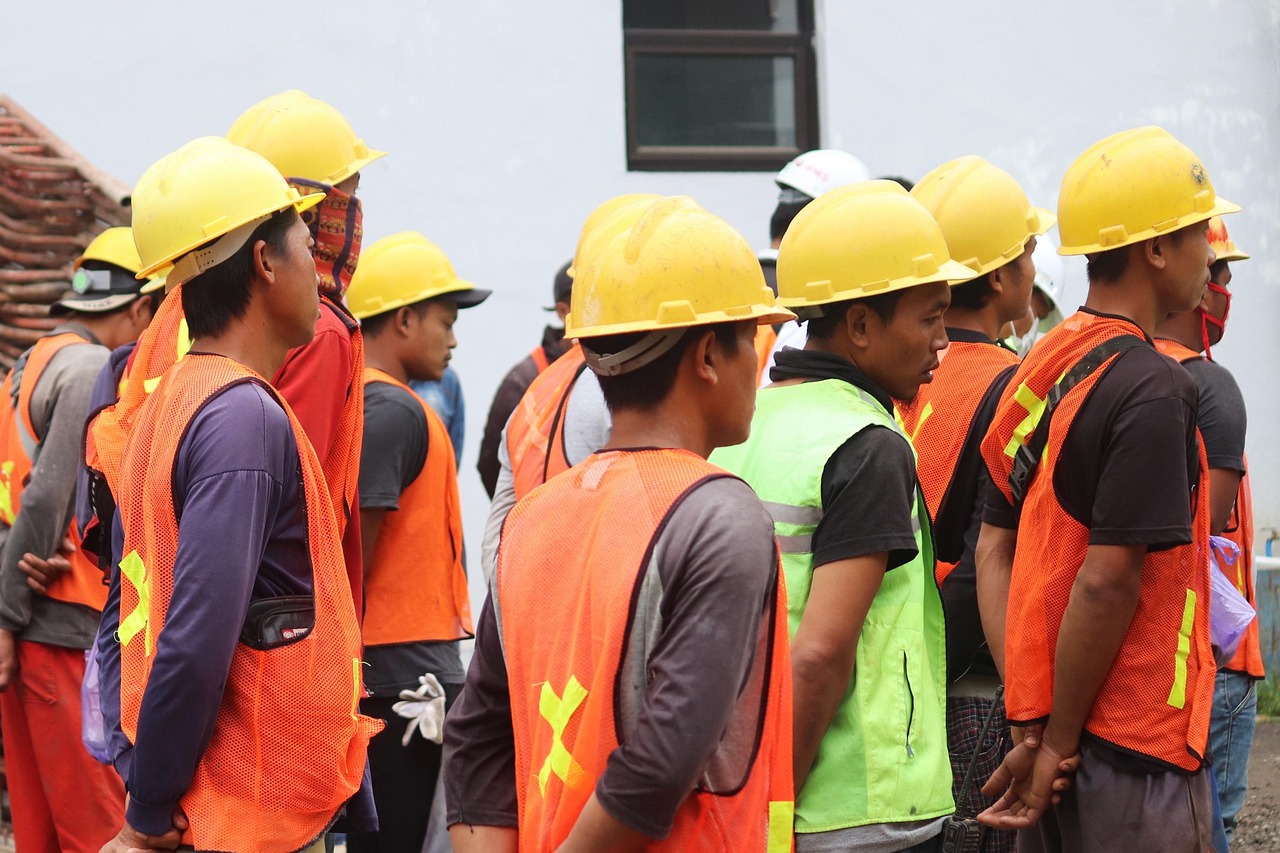
This layered model aligns with the hierarchy of controls used in NIOSH and OSHA guidance. Elimination and substitution are preferred where feasible, followed by engineering controls, administrative controls and personal protective equipment. PPE remains important, but it should not be treated as the main answer to a poorly controlled hazard.
Standards and regulations that shape system design
Industrial safety systems are influenced by both legal requirements and consensus standards. Exact obligations depend on country, state, industry and equipment type, so facilities should confirm applicable requirements with qualified safety, legal and engineering personnel. Even so, several frameworks are widely used as reference points.
OSHA’s recommended practices for safety and health programs describe seven core elements: management leadership, worker participation, hazard identification and assessment, hazard prevention and control, education and training, program evaluation and improvement, and coordination for multiemployer worksites. The emphasis is proactive. Rather than waiting for an injury, inspection or equipment failure, the facility should find and fix hazards before they cause harm.
ISO 45001:2018 provides an international occupational health and safety management system framework based on the Plan-Do-Check-Act cycle. Its value is not that it replaces legal compliance. It helps organizations integrate safety objectives, risk assessment, worker participation, auditing and management review into business processes. ANSI/ASSP Z10 serves a similar role in the U.S. context as an occupational health and safety management system standard.
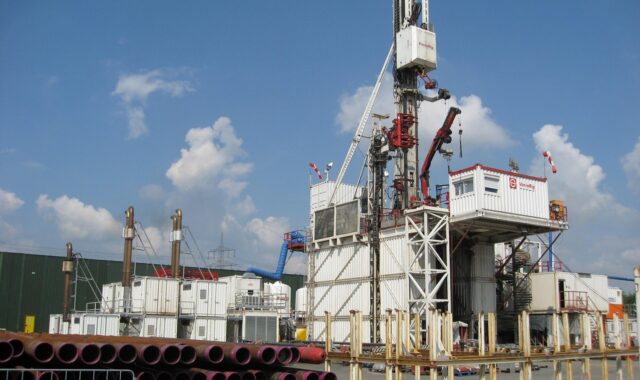
For high-hazard process industries, functional safety standards such as IEC 61511 and ANSI/ISA 61511 are especially important. They address safety instrumented systems used in sectors such as chemicals, oil and gas, refining and power generation. These standards use a lifecycle approach, from hazard analysis and safety requirements specification through design, installation, operation, maintenance, proof testing, modification and decommissioning. The lifecycle matters because a trip function that looks correct in a design package can still be unreliable if testing intervals, bypass controls, alarm response and management of change are weak.
Machine safety and electrical safety add further layers. OSHA’s machine guarding requirements under 29 CFR 1910.212 focus on protecting operators and nearby employees from hazards such as points of operation, rotating parts, nip points, flying chips and sparks. ANSI B11 standards support machinery risk assessment and safeguarding decisions. For hazardous energy, OSHA’s lockout/tagout standard under 29 CFR 1910.147 is central during servicing and maintenance. OSHA has stated that proper lockout/tagout compliance prevents an estimated 120 fatalities and 50,000 injuries each year. Electrical work is commonly managed through OSHA electrical requirements and NFPA 70E practices for shock, electrocution, arc flash and arc blast risk.
How to build a practical implementation roadmap
A strong roadmap starts with the work, not with a software purchase or a binder. The first step is to define the facility boundary and the tasks that expose people to serious harm. Include normal production, startups, shutdowns, cleaning, troubleshooting, clearing jams, confined space entry, contractor work and emergency response. Many severe incidents occur during non-routine work because controls designed for normal operation are removed, bypassed or misunderstood.
Next, rank hazards by credible severity and exposure. A minor first-aid injury and a low-frequency fatality scenario should not receive the same level of attention. For machinery, this may mean reviewing reach distances, stored energy, interlocked access points and tasks that require a guard to be opened. For chemical or process operations, it may mean reviewing pressure, temperature, toxic release, flammability, reactive chemistry and human response time. For mobile equipment, it may mean traffic separation, pedestrian visibility, loading zones, reversing controls and fatigue risks.
After the hazards are understood, choose controls in order of effectiveness. Ask whether the hazard can be removed, substituted or reduced by design. If not, use engineering controls such as fixed guards, local exhaust ventilation, physical separation, automated handling, interlocks or intrinsically safer layouts. Administrative controls should then define how people plan, authorize and perform the remaining work. PPE should be selected for the residual risk, verified for the hazard and supported by training, inspection and replacement rules.
Verification is where many systems improve or fail. Every critical control should have an owner, a performance requirement and a method of proof. A pressure relief device, light curtain, gas detector, emergency stop, ventilation system or fall arrest anchor is not controlled simply because it exists. The facility needs inspection intervals, calibration or test records, defect criteria, bypass authorization, corrective action tracking and a clear decision on when equipment must be stopped.
Training should be task-specific. General awareness sessions are useful, but they do not prove that a worker can isolate a machine, verify zero energy, respond to an alarm or recognize when a safeguard has been defeated. Competence should be demonstrated through observation, practical checks and refresher training after changes, incidents or long gaps in performance.
Digital tools can help, but they do not replace control discipline
Modern industrial safety systems increasingly use digital tools, including EHS management platforms, mobile inspection apps, connected gas detectors, access control, permit-to-work systems, learning management systems, condition monitoring and analytics. These tools can improve visibility by making inspections easier to complete, corrective actions easier to track and trends easier to compare across sites. See also: automation and controls.
The limitation is that digital records are only as useful as the decisions behind them. A dashboard showing overdue inspections does not reduce risk unless someone has the authority and resources to correct the problem. Wearable alerts can improve awareness, but they should not become a substitute for eliminating struck-by hazards or separating pedestrians from vehicles. Predictive maintenance can reduce unexpected equipment failure, but it does not remove the need for safe isolation before maintenance. Digitalization should strengthen the safety system, not distract from the hierarchy of controls.
Cybersecurity also matters when safety functions are connected to networks or industrial control systems. If an alarm, interlock, safety controller or remote access pathway is part of risk reduction, changes to connectivity, permissions and software must be controlled. Safety and cybersecurity teams should coordinate on asset inventories, access rights, backup practices, patching decisions and incident response plans.
Performance metrics that reveal whether the system works
Lagging indicators such as recordable injuries and lost-time cases are useful, but they are not enough. A site can have a low injury rate while serious hazards remain uncontrolled. Leading indicators help show whether critical activities are being performed before an incident occurs.
- Percentage of critical controls inspected on time
- Number of overdue corrective actions for serious hazards
- Quality of near-miss reports, not just the count
- Completion and field verification of lockout/tagout procedures
- Closure rate for audit findings by risk level
- Frequency of unauthorized bypasses, overrides or defeated safeguards
- Emergency drill findings and time to correct gaps
- Training competence checks for high-risk tasks
Metrics should be reviewed by people who can remove barriers. If supervisors are measured only on production output, safety controls may be treated as delays. If safety teams are measured only on training completion, they may miss whether controls are actually used in the field. Good metrics connect executive review, engineering action, maintenance planning and worker feedback.
Common failure points to check during audits
Audits should look beyond whether documents exist. A procedure that nobody can follow is a weak control. A guard that blocks the task may be removed. An alarm that sounds too often may be ignored. A permit signed at a desk may not reflect field conditions. The purpose of an audit is to test whether the system matches real work.
- Non-routine work is missing from risk assessments.
- Machine guarding does not account for cleaning, adjustment or jam clearing.
- Lockout/tagout procedures are generic rather than equipment-specific.
- Contractors use different isolation, permit or PPE expectations than employees.
- Safety instrumented functions are modified without full management of change.
- Corrective actions close with training only, even when an engineering control is needed.
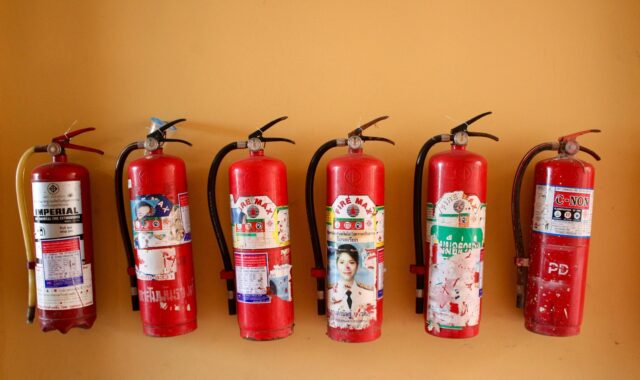
- Emergency routes, eyewash stations, extinguishers or rescue equipment are blocked or poorly maintained.
- Workers report that production pressure discourages stopping unsafe work.
These findings do not mean the system has failed completely. They are signals that the organization has found areas where risk can be reduced before a serious event occurs.
Frequently asked questions
What is the difference between industrial safety systems and a safety management system?
A safety management system is the management framework for policy, responsibilities, planning, evaluation and improvement. Industrial safety systems are broader in practical use. They include the management framework plus engineered safeguards, procedures, training, monitoring, emergency response and equipment-level controls.
Are alarms considered safety systems?
Alarms can be part of a safety system, but they are not always sufficient as a primary control. An alarm depends on detection, visibility, worker response, available time and correct action. High-risk scenarios often need stronger engineered controls or automatic protective functions.
How often should industrial safety systems be reviewed?
Review frequency should match risk, legal requirements, manufacturer instructions and operating history. Critical controls may need daily, weekly, monthly or annual checks depending on the function. A full system review is also appropriate after incidents, process changes, equipment modifications, new materials, staffing changes or audit findings.
Can software alone improve industrial safety?
Software can improve tracking, visibility and accountability, but it cannot replace hazard elimination, engineering controls, maintenance, supervision or worker competence. It should support decisions and verification rather than become the main control.
What should small facilities prioritize first?
Small facilities should start with serious and credible hazards: hazardous energy, machine guarding, falls, mobile equipment, chemical exposure, electrical work and emergency readiness. A simple, well-maintained system focused on high-risk tasks is more valuable than a complex program that is not used in daily work.
Conclusion
Industrial safety systems work when they connect people, equipment and management decisions into one practical risk-control process. The most effective systems begin with real hazards, use the hierarchy of controls, verify critical safeguards, involve workers and learn from weak signals before incidents occur. Standards and digital tools can support that effort, but the core discipline remains the same: understand the work, control the risk, prove the controls work and improve when evidence shows a gap.