Industrial electrical safety guide for controlling shock and arc flash risk
What industrial electrical safety has to prevent
Industrial electrical safety is the combination of design decisions, maintenance practices, work procedures and training used to keep people away from dangerous electrical energy. In a factory, utility room, processing plant or warehouse, the objective is not simply to issue arc-rated clothing. The objective is to prevent exposure where possible, place equipment in an electrically safe work condition before work starts, and tightly control the limited tasks that truly must be performed energized. OSHA rules, NFPA 70E work-practice guidance, lockout/tagout programs and preventive maintenance all point in the same direction: reduce the chance that a worker will contact live parts, trigger an arc flash or be injured by unexpected energization.
The risk is wider than many facility teams assume. Electrical injuries can involve electricians, maintenance mechanics, operators, cleaners, contractors, supervisors and drivers working near energized equipment or overhead lines. ESFI’s compilation of U.S. workplace electrical fatality data for 2011–2024 reports that a large share of fatal events occurred in non-electrical occupations. For that reason, electrical safety belongs inside the wider industrial safety program, not only inside the electrical department.
The main electrical hazards in industrial facilities
Most electrical safety programs focus on three related hazards: electric shock, arc flash and arc blast. Shock occurs when current passes through the body. Arc flash is a rapid release of thermal energy from an electrical fault. Arc blast can add pressure, sound, molten metal, shrapnel and mechanical force. These hazards may occur together, but the controls are not identical. A useful program separates them during risk assessment instead of treating “electrical hazard” as a single category.
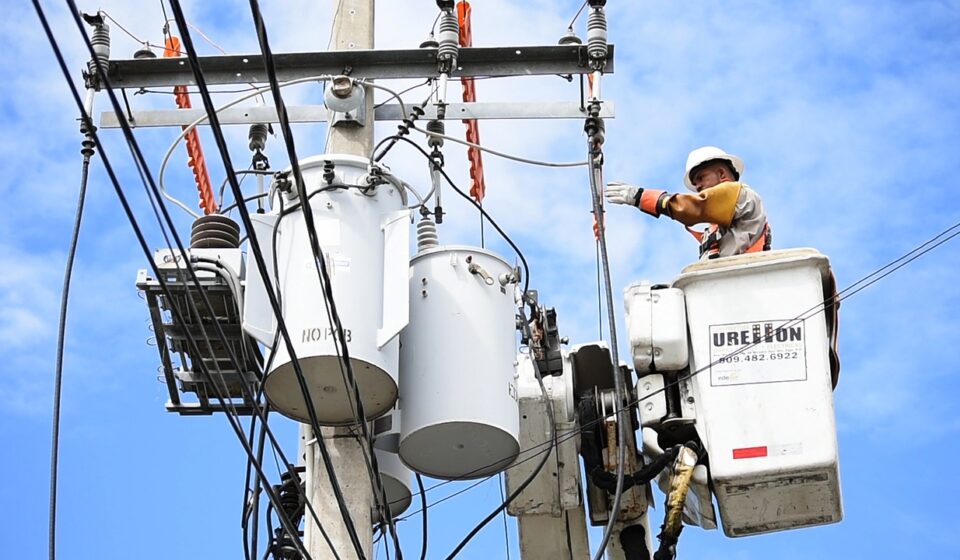
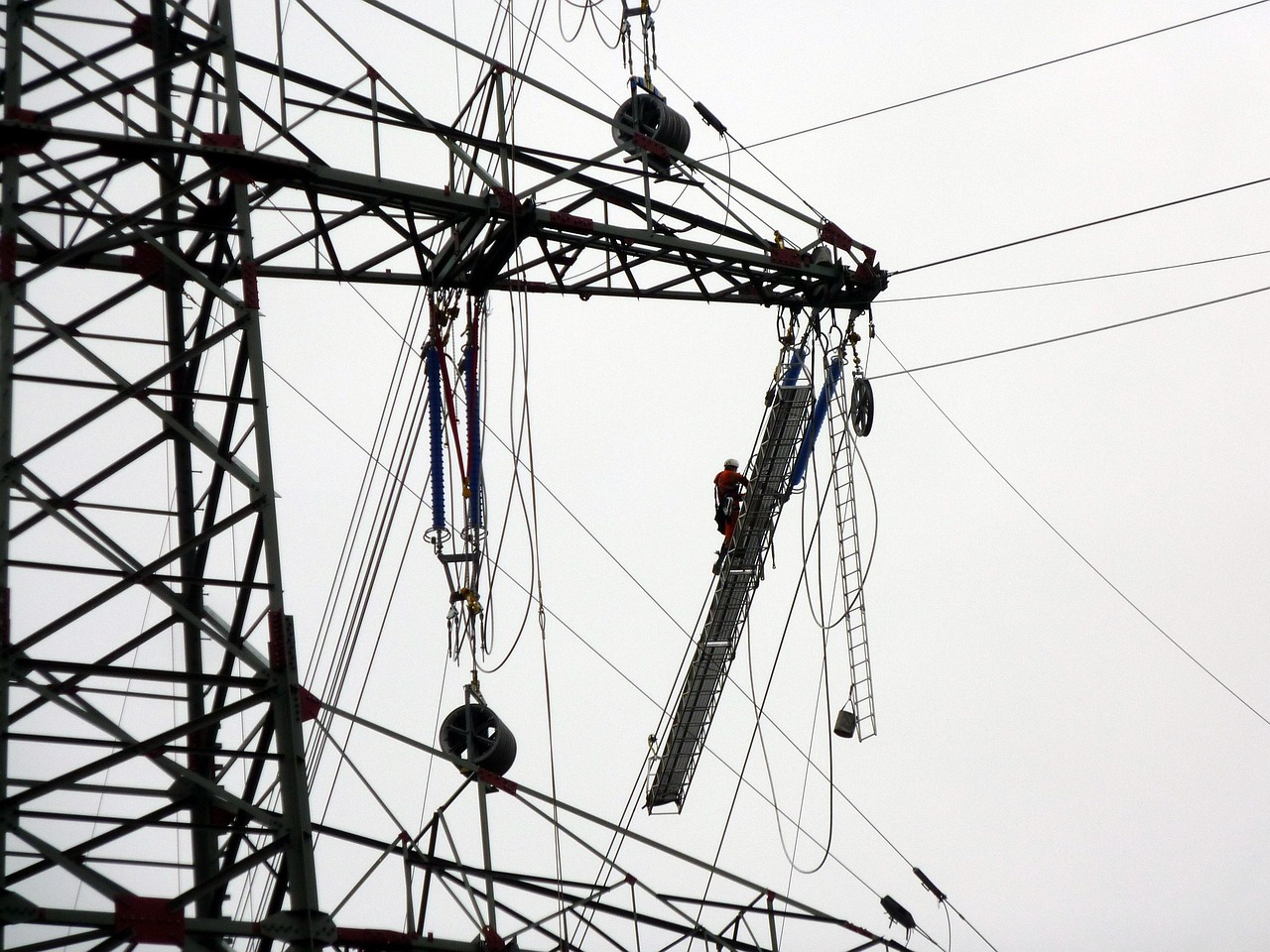
Common industrial exposure points include motor control centers, switchgear, panelboards, variable frequency drives, battery rooms, temporary power, extension cords, cranes, welding equipment, charging systems, test benches and machinery control cabinets. Outdoor work adds another major hazard: contact with overhead power lines. ESFI’s 2011–2024 workplace fatality review identified overhead power line contact as the largest cause category in its dataset, followed by unexpected contact with electricity and contact with nearby energized equipment.
| Hazard pattern | Why it matters | Typical control focus |
|---|---|---|
| Overhead power line contact | Often involves non-electrical trades using lifts, ladders, vehicles or long conductive materials. | Pre-job planning, minimum approach distances, spotters, barriers and deenergization coordination. |
| Unexpected energization | Can occur during servicing, troubleshooting or shift changes when stored or secondary energy is missed. | Lockout/tagout, verification of absence of voltage and clear handoff procedures. |
| Work on or near exposed live parts | Creates direct shock and arc flash exposure when covers are removed or equipment is opened. | Justification for energized work, qualified workers, boundaries, permits and PPE matched to the hazard. |
| Poor equipment condition | Loose connections, contamination, moisture and damaged insulation can increase failure probability. | Inspection, maintenance, cleaning, testing and correction of known defects. |
What current standards and guidance expect
In U.S. general industry, OSHA 29 CFR 1910 Subpart S addresses electrical safety requirements. OSHA 1910.333 is especially important because it sets the basic expectation that live parts to which an employee may be exposed must be deenergized before work is performed on or near them, unless the employer can demonstrate that deenergizing would create additional hazards or is infeasible because of equipment design or operational limitations. That rule should shape the culture of the program: energized work is an exception that must be justified, not the default way to save time.
OSHA’s lockout/tagout standard, 29 CFR 1910.147, also matters because industrial electrical work often takes place during machine servicing and maintenance. A compliant energy control program should address electrical energy along with mechanical, hydraulic, pneumatic, chemical, thermal and stored energy sources. For electrical work itself, the facility needs to understand how Subpart S and lockout/tagout duties interact, especially when machinery has multiple disconnects, control circuits, capacitors, backup supplies or interlocked systems.
NFPA 70E is widely used to organize electrical safe work practices, including risk assessment, shock and arc flash boundaries, energized electrical work permits, personal protective equipment, training and the process for establishing an electrically safe work condition. As of October 2026, NFPA identifies the 2027 edition as the current edition. Notable 2027 updates include stronger requirements around a second person for certain justified energized work, expanded direct-current and battery safety content, and revised expectations for arc-rated PPE compliance documentation. Facilities should confirm the edition referenced by their corporate policy, insurer, authority having jurisdiction or contract, because adoption and enforcement practices can vary.
NFPA 70B is also relevant because electrical safety depends on maintenance. A written procedure cannot compensate for switchgear that has not been inspected, labels that no longer match the system, or protective devices that have not been maintained according to the facility’s risk and equipment requirements.
Build the program around the hierarchy of controls
A durable electrical safety program starts with the hierarchy of controls. PPE is necessary for some tasks, but it is the last line of defense. The stronger approach is to remove or reduce exposure before a worker opens a door, removes a cover or reaches into a cabinet.
- Elimination: Schedule shutdowns, relocate tasks outside energized enclosures, remove obsolete equipment and design systems so routine work does not require exposure to live parts.
- Substitution: Replace damaged tools, unsuitable cords or older equipment with safer alternatives that meet the application and environment.
- Engineering controls: Use barriers, finger-safe components, remote racking, interlocked doors, current-limiting devices, ground-fault protection and arc-resistant equipment where appropriate.
- Administrative controls: Apply job planning, permits, qualified-person rules, approach boundaries, switching procedures, labels, training and supervision.
- PPE: Select shock and arc flash PPE based on the assessed hazard, and maintain it so it remains suitable for use.
For industrial sites, the highest-value improvements often happen before the work order is released. If production planning allows a controlled outage, the task may move from energized troubleshooting to deenergized maintenance. If electrical drawings are updated, the worker spends less time exposed while tracing circuits. If equipment is designed with external test points or remote diagnostics, the frequency of opening energized cabinets can fall.
A practical workflow for deenergized and energized work
Plan the task before opening equipment
Electrical planning should identify the equipment, voltage, available fault energy, upstream and downstream sources, stored energy, environmental conditions and the reason the work is necessary. It should also identify who is qualified for the task. A worker may be qualified for one voltage level or equipment type and not for another. This distinction matters in plants where electricians, instrument technicians, mechanics and contractors may all interact with electrical systems.
Establish an electrically safe work condition
For work that can be deenergized, the workflow should include identifying all sources, interrupting load current properly, opening disconnecting devices, applying lockout/tagout devices, releasing or blocking stored energy, and verifying absence of voltage with an adequately rated test instrument. Verification should include testing the instrument before and after the absence-of-voltage test. This step is not paperwork; it is the point where an assumption becomes evidence.
Control justified energized work
Some tasks, such as diagnostic testing, may require energized conditions. Other energized work may be claimed as necessary because a shutdown is inconvenient, but inconvenience is not the same as infeasibility. When energized work is justified, the site should document the reason, define the task boundary, assign qualified workers, select tools and PPE, restrict access, prepare for emergency response and stop work if conditions change. For higher-risk justified energized work, the 2027 NFPA 70E emphasis on additional trained support reflects a broader safety principle: a lone worker should not be expected to manage a serious electrical event alone.
Maintenance, labels and documentation keep the program real
Electrical safety documentation should match the actual installation. Arc flash labels, single-line diagrams, panel schedules and equipment names lose value when modifications are not recorded. This is a common weakness in older industrial facilities where equipment has been expanded, bypassed, replaced or fed from temporary sources over many years. See also: automation and controls.
Maintenance is equally important. Loose terminations, contaminated enclosures, blocked ventilation, damaged insulation, corroded bus, missing covers, defeated interlocks and unsealed openings can change the risk profile of ordinary work. Protective devices also need attention. If settings, condition or coordination are unknown, an incident energy estimate may not reflect how the system will behave during a fault.
A practical documentation review should ask five questions:
- Does the label still match the equipment and upstream protective device?
- Does the single-line diagram reflect recent projects, temporary feeds and emergency sources?
- Are maintenance records current enough to support the assumptions used in risk assessment?
- Are workers trained on the actual equipment they will use, not only on classroom examples?
- Do contractors receive the same hazard information and control expectations as employees?
Common weak points to correct before they become incidents
Many electrical safety gaps are not hidden. They show up as repeated shortcuts: unlabeled disconnects, open knockouts, missing dead fronts, daisy-chained temporary power, overloaded cords, panels blocked by stored material, undocumented troubleshooting, one-person energized work, or locks applied without a true verification step. These problems persist when production pressure treats electrical exposure as routine.
Another weak point is overreliance on PPE categories without understanding task conditions. Arc-rated clothing reduces burn injury risk when it is correctly selected and worn, but it does not prevent shock, eliminate blast pressure or make equipment condition irrelevant. Similarly, a non-contact voltage tester may be useful for a preliminary indication, but it is not a substitute for a properly rated meter and a defined absence-of-voltage verification procedure when the task requires proof.
Training should be specific enough to change field behavior. Operators need to know when not to reset a tripped breaker repeatedly. Mechanics need to understand that a control panel may contain more than one source. Supervisors need to know that schedule pressure is not an acceptable justification for energized repair. Electricians need periodic refreshers on boundaries, permits, meters, temporary protective grounding where applicable, and emergency response. The program works only when each role understands how its decisions can reduce or create electrical exposure.
Frequently asked questions
Is industrial electrical safety only for electricians?
No. Electricians face direct exposure during installation, troubleshooting and repair, but many fatal and serious electrical events involve non-electrical workers. Anyone who works near electrical equipment, uses powered tools, operates mobile equipment near lines, resets equipment or performs maintenance can affect electrical risk.
When is energized electrical work acceptable?
Energized work should be limited to tasks that are justified by increased hazard, infeasibility or the need to perform diagnostic testing under energized conditions. If the reason is only convenience, production pressure or lack of planning, the work should be rescheduled or redesigned so it can be done deenergized.
Does arc-rated PPE make energized work safe?
Arc-rated PPE can reduce burn injury severity when selected and used correctly, but it does not eliminate the hazard. It does not prevent electric shock, remove arc blast forces or correct poor equipment condition. PPE should support, not replace, deenergization, engineering controls and safe work practices.
How often should an electrical safety program be reviewed?
Review frequency should reflect regulatory duties, company policy, equipment changes, incident history and the edition of standards the site follows. A review is also needed after significant system modifications, new equipment, process changes, contractor incidents, near misses or evidence that workers are not following procedures.
What is the most important first improvement for a facility with an immature program?
Start by making deenergization and lockout/tagout reliable. Identify equipment with unclear sources, update labels and drawings, train qualified workers on absence-of-voltage verification, and require documented justification for energized work. These steps reduce the most direct exposure before the program expands into more detailed audits and metrics.