How to evaluate safety equipment manufacturers for industrial procurement
Why manufacturer evaluation matters
Safety equipment manufacturers have a direct influence on industrial risk control, but they do not replace the employer’s responsibility to assess hazards, select suitable equipment, train workers, and maintain protective systems. For procurement teams, the key question is not only which brand is familiar or which quote is lowest. It is whether a manufacturer can show that its products match the hazard, meet the relevant standard, fit the workforce, remain traceable after purchase, and stay available when demand changes.
This is becoming more important as industrial safety decisions rely on clearer evidence. OSHA’s general industry PPE rule requires employers to assess the workplace for hazards that require PPE. OSHA also finalized a construction PPE rule published on December 12, 2024, effective January 13, 2025, explicitly requiring PPE in construction to fit properly. NIOSH approval remains central for many respirators, while ANSI/ISEA standards continue to shape expectations for high-visibility apparel, hand protection, dropped-object prevention, and conformity assessment.
For more context on workplace protection topics, see the industrial safety section.
What safety equipment manufacturers actually cover
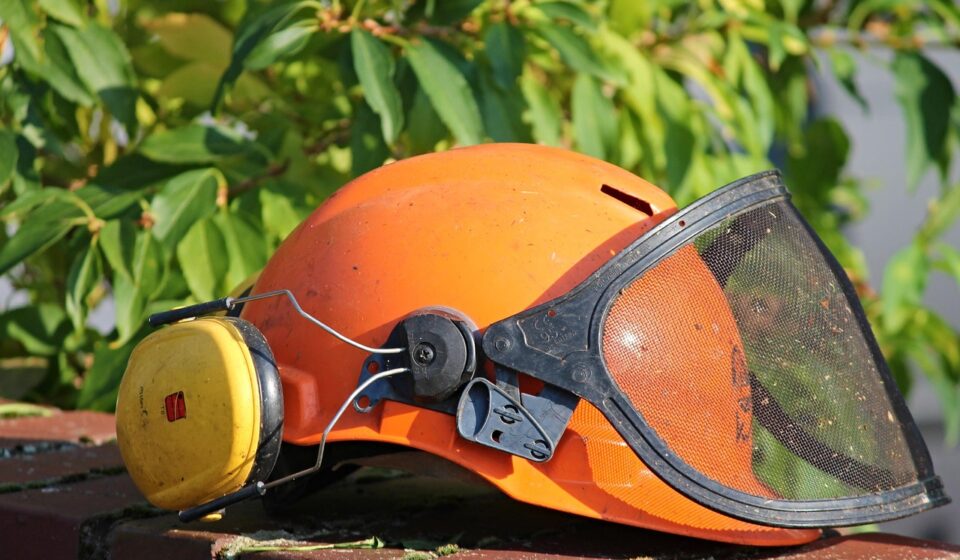
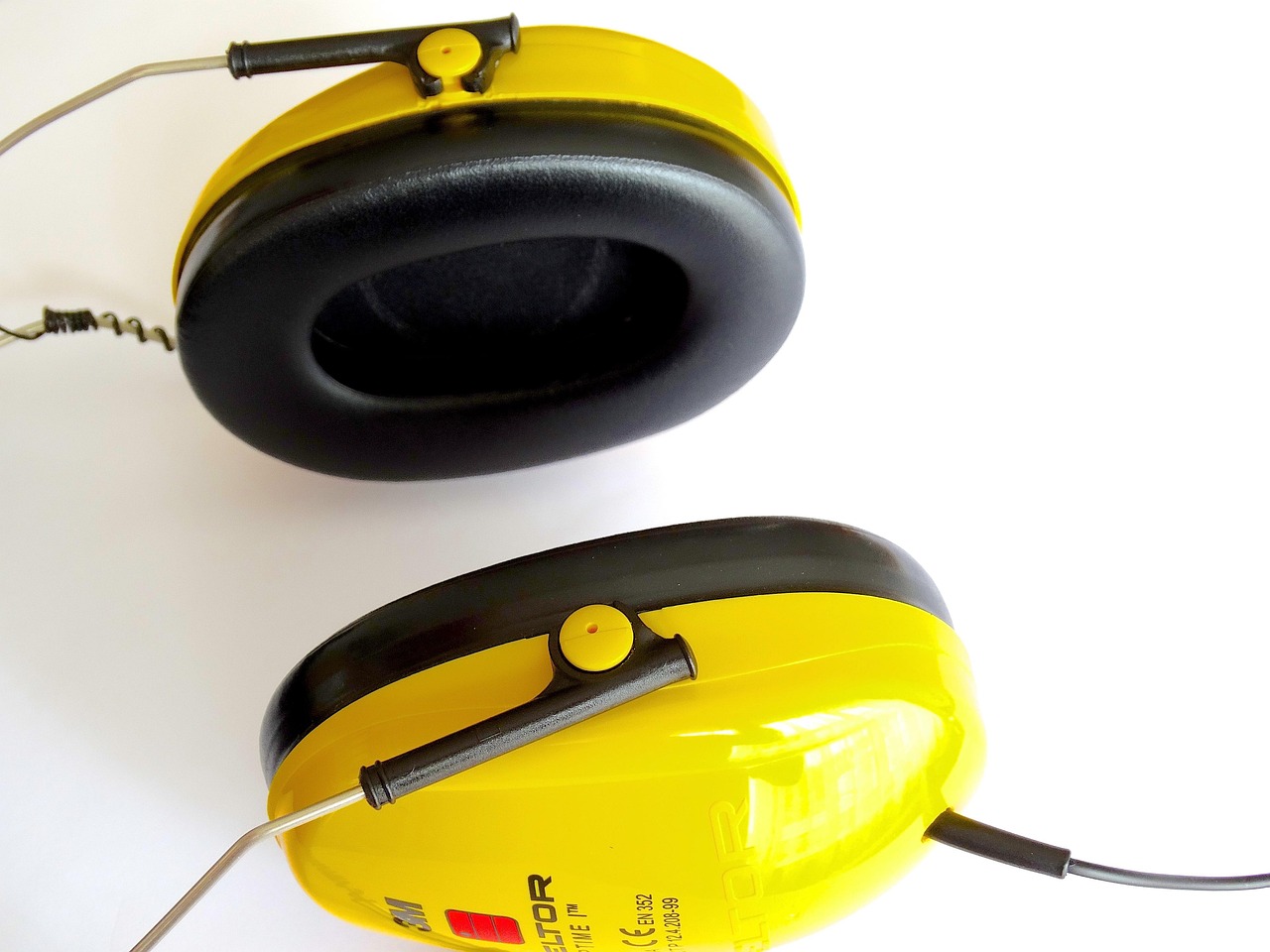
The term safety equipment manufacturers can cover a broad group of suppliers, from personal protective equipment producers to companies that make engineered safety devices. In industrial procurement, the category often includes head protection, eye and face protection, hearing protection, respiratory protection, protective clothing, gloves, footwear, fall protection, gas detection instruments, lockout devices, emergency showers, first-aid equipment, and traffic or visibility products.
Buyers should distinguish manufacturers from distributors and private-label sellers. A manufacturer normally controls product design, material selection, production specifications, test documentation, and quality systems. A distributor may offer strong service, local inventory, and account support, but it may not control the underlying design or compliance file. A private-label seller may be legitimate, but buyers still need to confirm who owns the technical file, who approves product changes, and who is responsible if a lot fails or a certification changes.
That distinction matters when the purchase involves more than a catalog item. A plant with chemical splash risks may need glove permeation data and eyewear compatibility. A construction contractor may need PPE size ranges that cover smaller and larger workers without improvisation. A maintenance team working near traffic may need high-visibility garments with the correct performance class and labeling. In each case, the manufacturer’s documentation is as important as the product description.
Regulatory and standard anchors buyers should check
No single rule covers every safety product. Industrial buyers should build a standards map around the hazard, task, location, and product type. In the United States, OSHA rules define many employer obligations, while consensus standards and approval programs often provide product-level performance criteria.
OSHA 29 CFR 1910.132 is a core starting point for general industry PPE because it requires employers to assess the workplace, select PPE that protects affected workers, and ensure that employees use it. For construction, OSHA’s final rule on properly fitting PPE made fit an explicit requirement under 29 CFR 1926.95 as of January 13, 2025. This does not make manufacturers solely responsible for compliance, but it does make size ranges, adjustability, gender-inclusive fit options, and clear selection guidance more important in procurement.
Respiratory protection requires particular care. NIOSH-approved respirators are approved under defined configurations, and approval status can change. Buyers should verify model numbers, approval numbers, components, and current approval status rather than relying only on packaging claims. For high-visibility apparel, ANSI/ISEA 107-2020 sets criteria for design, performance, and labeling. ANSI/ISEA 125 addresses conformity assessment for safety and PPE, helping buyers evaluate how claims are verified instead of accepting unsupported marketing language.
| Product area | Common verification point | Buyer question |
|---|---|---|
| Respirators | NIOSH approval and approved configuration | Can the supplier provide the approval number and confirm that all components match the approved assembly? |
| High-visibility apparel | ANSI/ISEA 107 class, type, labeling, and care instructions | Does the garment match the work zone exposure and remain compliant after expected laundering? |
| Protective gloves | Cut, impact, chemical, heat, or abrasion ratings depending on hazard | Is the rating tied to the actual hazard, or is it only a general performance claim? |
| Fall protection | Applicable design, testing, inspection, and compatibility requirements | Are connectors, anchors, harnesses, and lanyards compatible as a system? |
| Emergency eyewash and showers | Performance, installation, flow, temperature, access, and maintenance criteria | Does the installed system meet the operational requirement, not just the purchase specification? |
Procurement signals that separate stronger manufacturers from weaker ones
A stronger manufacturer makes it easier for safety, maintenance, and purchasing teams to verify product claims. The first signal is documentation quality. Look for product data sheets, declarations of conformity where applicable, test summaries, user instructions, cleaning guidance, shelf-life information, lot or batch traceability, and change notification procedures. Missing documentation does not automatically prove that a product is unsafe, but it does increase procurement risk.
The second signal is fit and usability. PPE that meets a laboratory requirement but cannot be worn correctly by the actual workforce may fail in practice. OSHA’s 2024 construction rule discussion emphasized that improperly fitting PPE can reduce protection, create new hazards, or discourage use. Buyers should ask for size charts, sample programs, adjustable features, replacement parts, and guidance for workers outside average sizing assumptions.
The third signal is manufacturing control. Buyers should understand whether production occurs in one facility or across multiple subcontractors, whether material substitutions are controlled, and whether the manufacturer has a process for nonconforming product. This is especially relevant when performance depends on textile reflectivity, filter media, chemical resistance, webbing strength, or electronics calibration.
The fourth signal is post-sale support. Industrial safety products are not always one-time purchases. Filters expire, detectors need calibration, garments have laundering limits, fall protection requires inspection criteria, and replacement components must remain compatible. A credible manufacturer should provide lifecycle instructions and clearly state when equipment should be removed from service.
How buyers can build a practical evaluation process
An effective evaluation process starts with the hazard assessment, not the catalog. Purchasing should work with EHS, operations, and supervisors to define the exposure, task frequency, worker movement, environmental conditions, and consequences of failure. Only then should the team compare manufacturers.
For routine purchases, a simple scoring model is often enough. It can weigh standards compliance, documentation, fit range, lead time, service support, total cost of ownership, and user feedback. For higher-risk categories such as respiratory protection, fall protection, arc-flash clothing, gas detection, or chemical protection, buyers should use a more formal review with EHS signoff and field trials before standardization.
- Define the hazard and task before naming a preferred product.
- Identify the OSHA rule, approval program, or consensus standard relevant to the equipment.
- Ask the manufacturer or authorized channel for current documentation, not outdated catalog pages.
- Confirm sizing, adjustment, and compatibility with other equipment already used on site.
- Run a controlled trial with workers who represent the full range of job tasks and body sizes.
- Record approved models, replacement parts, inspection intervals, and conditions for removal from service.
- Review supplier performance after incidents, near misses, product changes, or repeated user complaints.
Price still matters, but it should be considered against lifecycle cost. A cheaper glove that fails early, a respirator that requires hard-to-source components, or a garment that loses visibility performance after repeated laundering can cost more than a higher-priced product with better documentation and service life.
Information buyers should request before approval
Before adding a safety product to an approved list, buyers should request enough information to defend the decision later. This does not mean every item requires a long audit. It means the level of evidence should match the risk. See also: automation and controls.
For lower-risk items, such as basic bump caps or general-purpose vests used outside high-speed traffic zones, a product sheet and applicable labeling may be sufficient. For higher-risk equipment, buyers may need test reports, third-party certification information, NIOSH approval details, user manuals, calibration procedures, or written confirmation of authorized distribution.
One useful tool is a standards matrix. This short document lists the product, intended use, applicable standard, claimed performance level, evidence provided, limitations, maintenance requirement, and replacement trigger. A manufacturer that can complete this matrix clearly is usually easier to work with than one that responds only with broad claims such as industrial grade or OSHA compliant. OSHA compliance is normally an employer obligation; the manufacturer supports that obligation by supplying properly specified and documented equipment.
Common mistakes when choosing safety equipment manufacturers
One common mistake is treating all products in a category as interchangeable. Safety glasses, gloves, respirators, protective clothing, and harnesses can differ significantly even when they look similar. Small differences in material, fit, coating, filter configuration, or connector geometry may change suitability for a task.
Another mistake is accepting outdated proof. Standards are revised, approvals can be rescinded or modified, and product designs can change. Buyers should check whether the document date, model number, and product label match the item being purchased. This is particularly important when buying through online marketplaces or unfamiliar channels where counterfeit or misrepresented safety products may appear.
A third mistake is ignoring worker feedback. User feedback is not a substitute for standards, but it is essential for adoption. If equipment fogs, restricts movement, slips, causes pressure points, or conflicts with other PPE, workers may use it incorrectly or avoid it. Good manufacturers usually recognize this and provide practical options rather than a single-size answer.
The limits of manufacturer claims
Even a well-documented product cannot control risk by itself. PPE sits near the lower end of the hierarchy of controls because it depends on correct selection, fit, use, training, maintenance, and supervision. Engineering controls, substitution, guarding, ventilation, traffic separation, lockout procedures, and safe work planning may reduce risk more reliably than PPE alone.
For that reason, buyers should be cautious with claims that imply a product can solve a hazard independently. A cut-resistant glove does not remove the need for machine guarding. A high-visibility vest does not replace traffic control. A respirator does not replace exposure assessment or a respiratory protection program where required. A fall-arrest harness does not replace anchor planning, rescue planning, and competent inspection.
The manufacturer’s role remains important. The best procurement outcome is a product that is technically suitable, clearly documented, available in appropriate sizes, supported through its service life, and accurately described. The employer’s role is to integrate that product into a complete safety system.
Frequently asked questions
Are safety equipment manufacturers responsible for OSHA compliance?
Manufacturers support compliance by producing and documenting equipment that meets relevant standards or approvals. OSHA compliance is generally the employer’s responsibility because the employer controls hazard assessment, selection, training, use, and maintenance at the worksite.
Should buyers choose only products with third-party certification?
It depends on the product and risk. Some categories require formal approval or certification, while others rely on manufacturer declarations and consensus standards. Higher-risk equipment usually deserves stronger evidence, including third-party testing or approval where applicable.
How often should approved safety products be reviewed?
Review products whenever the task, hazard, regulation, standard, supplier, or product design changes. Even without a known change, many industrial sites benefit from an annual review of approved PPE lists, incident feedback, fit issues, and supplier performance.
What is the most important question to ask a manufacturer?
Ask the manufacturer to show exactly how the product matches the hazard and which evidence supports that claim. A clear answer should include the intended use, applicable standard or approval, performance level, limitations, and maintenance requirements.
Can a distributor replace manufacturer documentation?
A distributor can provide valuable support, but it should not replace the manufacturer’s technical evidence. For critical products, buyers should confirm that documentation comes from the manufacturer or an authorized source and matches the exact model being purchased.