How to evaluate industrial safety equipment suppliers for compliance and reliability
Supplier selection starts with hazards, not catalogs
Industrial safety equipment suppliers should be evaluated by how well they help a site match equipment to real hazards, not by the size of their catalog. In U.S. workplaces, OSHA requires employers to assess hazards and select protective equipment where needed. NIOSH also places PPE near the bottom of the hierarchy of controls because it depends on correct selection, fit, use, and maintenance.
That distinction matters. A supplier cannot make a workplace compliant by itself. A strong supplier can, however, reduce specification errors, provide verifiable documentation, support training needs, and help buyers avoid counterfeit, mislabeled, or poorly matched equipment.
This guide focuses on practical procurement checks for manufacturers, warehouses, utilities, maintenance teams, construction-related operations, and other industrial buyers. For broader coverage of workplace controls and safety programs, see our industrial safety section.
Why supplier reliability matters in industrial safety
Industrial safety purchasing often happens under pressure: a production line is being commissioned, a warehouse layout is changing, a contractor is mobilizing, or an audit has identified missing equipment. In those situations, it is easy to treat gloves, eyewear, respirators, signs, barriers, spill kits, lockout devices, fall protection, and traffic controls as interchangeable commodities. They are not.
Recent public data shows why the stakes are high. The U.S. Bureau of Labor Statistics reported that private industry employers recorded about 2.5 million nonfatal workplace injuries and illnesses in 2024. Manufacturing alone accounted for more than 330,000 cases, with an incidence rate above the private-industry average. OSHA’s FY 2025 frequently cited standards also continued to include hazards directly connected to supplier selection, such as hazard communication, respiratory protection, powered industrial trucks, eye and face protection, and machine guarding.
The purchasing lesson is straightforward: safety equipment is part of a control system. If the wrong respirator cartridge is ordered, if gloves are selected only by cut rating without chemical compatibility, if high-visibility garments lack the correct class marking, or if forklift safety devices are added without training and maintenance procedures, the buyer may create a false sense of protection. Reliable suppliers help close those gaps by connecting products to tasks, standards, documentation, and replacement cycles.
What qualified suppliers should be able to prove
A supplier’s website or quotation should never be the only evidence used for critical safety purchases. Buyers should ask for documentation that is specific to the product, the model, and the intended use. The more serious the hazard, the more important that evidence becomes.
- Applicable standard or certification. Examples include ANSI/ISEA Z87.1 for eye and face protection, ANSI/ISEA 105 for hand protection classifications, ANSI/ISEA 107 for high-visibility apparel, NIOSH approval for respirators, and relevant fall protection or electrical safety standards where applicable.
- Model-specific documentation. Data sheets, user instructions, declarations of conformity, test summaries, lot numbers, shelf-life information, and replacement-part lists should match the item being sold.
- Traceability. The supplier should be able to identify the manufacturer, approval holder, authorized distribution path, and country of origin where relevant.
- Use limitations. Good suppliers explain what the product does not protect against. This is especially important for chemical gloves, respirator cartridges, arc-rated apparel, fall arrest components, and cut-resistant gloves.
- Post-sale support. Industrial users often need fit guidance, replacement parts, inspection criteria, training materials, recall notices, and help standardizing SKUs across sites.
Respirator documentation deserves special attention. NIOSH-approved respirators are listed through the NIOSH Certified Equipment List, and legitimate products carry approval information such as a TC approval number. A supplier that cannot connect the product, packaging, instructions, and approval listing should not be treated as a low-risk source for respiratory protection.
Match supplier capabilities to equipment categories
No single evaluation question works for every product category. Industrial safety equipment suppliers should be assessed against the risk profile of the equipment they sell.
PPE and wearable protection
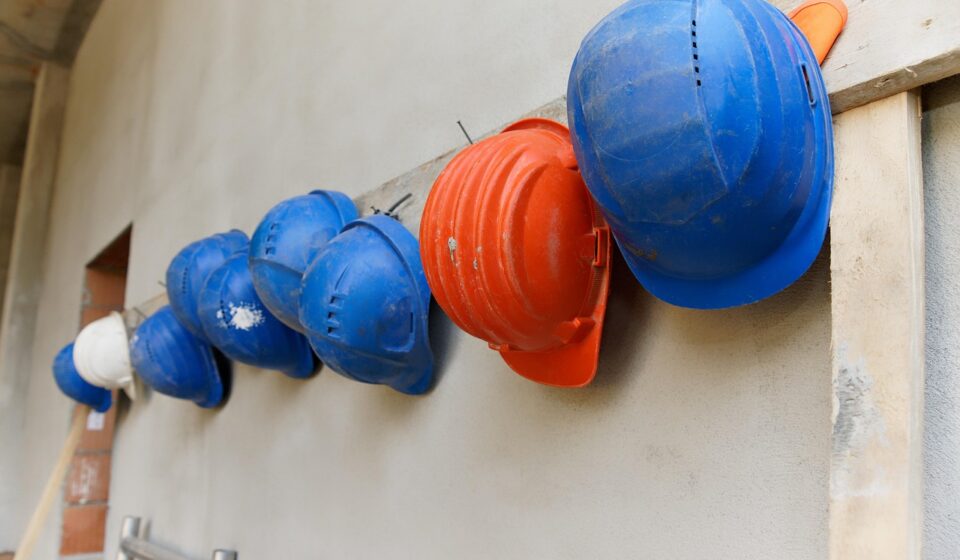
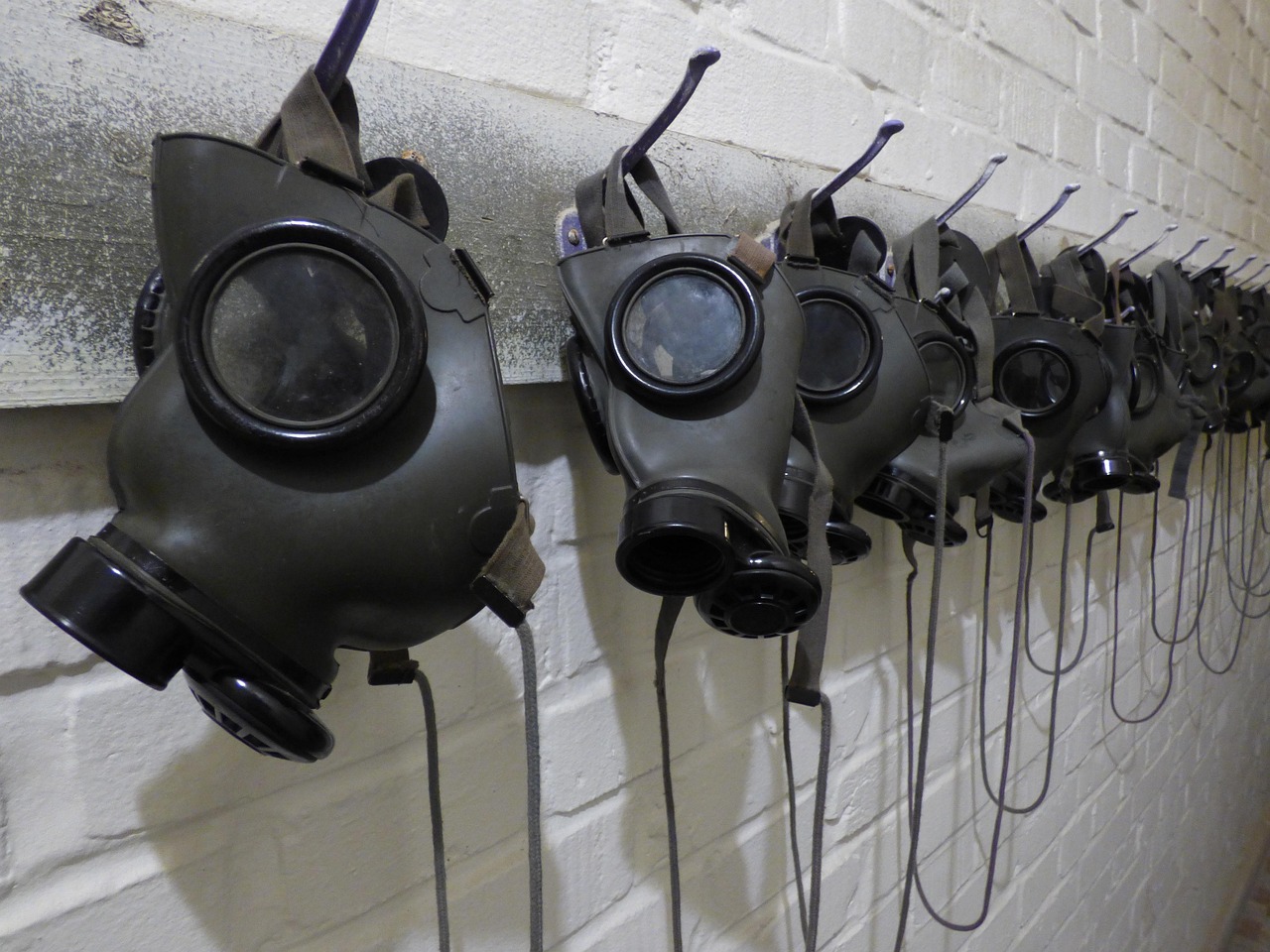
PPE includes eye and face protection, gloves, protective footwear, hearing protection, hard hats, high-visibility clothing, protective clothing, and respiratory protection. The key procurement issue is not whether the item looks durable. It is whether the item matches the hazard assessment. OSHA’s general PPE rule requires employers to assess the workplace and select PPE based on the hazards present or likely to be present. OSHA also requires most PPE used to comply with its standards to be provided at no cost to employees, subject to defined exceptions.
Suppliers should help buyers distinguish between similar-looking products. A glove rated for cut resistance may not resist the solvent used at a workstation. Safety glasses marked for impact may not provide splash protection. A disposable filtering facepiece may be wrong for vapors, oxygen-deficient environments, or contaminants requiring a different protection factor. Good suppliers make those differences clear before purchase.
Traffic, material handling, and warehouse controls
Warehouses and manufacturing floors often combine pedestrians, forklifts, pallet jacks, conveyors, dock operations, and storage racks. Equipment may include barriers, bollards, mirrors, wheel chocks, dock lights, floor markings, warning signs, audible alarms, forklift attachments, and powered industrial truck accessories. OSHA’s powered industrial truck standard addresses operator training, operating conditions, maintenance, and truck design requirements. Suppliers can support these programs, but employers remain responsible for implementation.
For this category, evaluate whether the supplier understands impact ratings, installation requirements, visibility, traffic-flow layout, and maintenance. A barrier system, for example, should not be selected only by height and price. Buyers should ask how it was tested, what anchors are required, what floor conditions are assumed, and how damaged components are inspected or replaced.
Electrical, machine, and maintenance safety
Electrical and machine safety purchases may include lockout/tagout devices, insulated tools, voltage-rated gloves, arc-rated clothing, machine guarding components, warning labels, interlocks, and energy-control accessories. Many organizations reference NFPA 70E for electrical safety practices, especially where shock and arc-flash hazards are present. For machinery, buyers should treat guards, interlocks, emergency stops, and lockout provisions as engineered controls, not decorative add-ons.
Suppliers in this area should be able to provide product limitations, inspection intervals, compatibility information, and technical documentation. Broad claims such as safe for all energized work or suitable for any machine are warning signs. The correct specification depends on voltage, incident energy, machine motion, energy sources, access frequency, environment, and the company’s written procedures. See also: automation and controls.
A practical supplier qualification matrix
The table below can be adapted for requests for quotation, vendor onboarding, or periodic supplier reviews. It is designed to create a documented decision trail rather than a one-time price comparison.
| Evaluation area | What to ask | Why it matters |
|---|---|---|
| Hazard fit | Which task, exposure, or equipment condition is this product intended to control? | Prevents generic purchasing that does not match the hazard assessment. |
| Standards evidence | Which standard, approval, or classification applies to this exact model? | Reduces the risk of unsupported claims and wrong substitutions. |
| Traceability | Who is the manufacturer or approval holder, and are you an authorized channel? | Helps avoid counterfeit, gray-market, or obsolete products. |
| Use limitations | What conditions, chemicals, temperatures, impacts, voltages, or contaminants are excluded? | Clarifies where additional controls or different equipment are needed. |
| Training support | What instructions, inspection checklists, or training materials are available? | Equipment performance depends on correct use and maintenance. |
| Lifecycle support | How are recalls, replacement parts, shelf life, and discontinued models handled? | Protects multi-site programs from inconsistent or expired equipment. |
| Substitution control | Will you notify the buyer before changing brands, models, materials, or approvals? | Prevents silent substitutions that can invalidate a safety specification. |
A strong supplier will not resist these questions. In many cases, the answers should already be available in technical files, manufacturer literature, safety data, or approval listings. If a supplier cannot answer, the buyer should consider downgrading the product to noncritical use, seeking manufacturer confirmation, or choosing a more transparent source.
Warning signs when comparing industrial safety equipment suppliers
Low price is not automatically a problem. Industrial buyers can often save money through standardization, consolidated freight, volume agreements, and better inventory planning. The risk begins when a supplier uses price to distract from missing evidence.
- Unclear approvals. Claims such as OSHA certified PPE are often misleading because OSHA generally sets employer requirements rather than certifying individual products.
- No model-level documentation. A generic brochure is not enough for respirators, fall protection, arc-rated clothing, chemical gloves, or critical machine-safety components.
- Uncontrolled substitutions. Similar appearance does not mean equivalent protection. Substituting one glove, lens, harness, filter, or sign material for another can change performance.
- Overbroad suitability claims. Phrases such as works for all chemicals, universal respirator, or compliant for every site should prompt further review.
- No recall or lot process. Safety-critical products should be traceable if a defect, counterfeit issue, or certification change is discovered.
- Weak support after delivery. If the supplier cannot provide instructions, inspection guidance, or replacement parts, the buyer inherits the problem.
Buyers should also separate supplier advice from employer responsibility. A supplier can recommend a product based on information provided by the buyer, but the employer must still perform hazard assessments, train employees, maintain equipment, and comply with applicable OSHA standards and local requirements.
How to build a safer purchasing workflow
The most reliable procurement systems make unsafe purchases harder to approve. Start by grouping safety items into risk tiers. Low-risk consumables may need basic quality checks, while high-risk categories such as respiratory protection, fall arrest, energized electrical work, chemical protection, confined-space rescue, and machine safeguarding should require technical review before purchase.
Next, create an approved product list tied to specific tasks. Instead of allowing any cut-resistant glove, list approved gloves by task, hazard, size range, rating, and chemical compatibility where needed. Instead of buying any N95-style mask from a marketplace listing, require NIOSH approval verification, fit-testing program alignment, and model-specific user instructions. Instead of allowing ad hoc lockout devices, map devices to energy sources and written procedures.
Finally, review suppliers periodically. A practical annual review can include delivery performance, documentation accuracy, substitution history, employee feedback, incident or near-miss trends, and whether new standards or site processes require product changes. This approach turns supplier management into a working part of the safety program rather than a file created only for audits.
Frequently asked questions
Can a supplier make a workplace OSHA compliant?
No. A supplier can provide suitable equipment, documentation, and support, but OSHA compliance depends on the employer’s hazard assessment, training, written programs, maintenance, supervision, and recordkeeping. Treat supplier input as evidence to review, not as a substitute for a safety program.
Should buyers choose the supplier with the largest catalog?
Not necessarily. A large catalog is useful only if the supplier can verify standards, control substitutions, provide technical support, and match products to hazards. For critical safety categories, documentation quality matters more than product count.
What is the most important question to ask before buying PPE?
Ask which specific hazard the PPE is intended to control and which standard or test evidence supports that use. If the answer is vague, the product may not be suitable for the task.
How often should industrial safety suppliers be reviewed?
High-risk suppliers should be reviewed at least annually and whenever there is a major process change, incident, product substitution, recall, standard update, or recurring complaint from workers. Lower-risk suppliers can be reviewed on a less intensive schedule, but documentation and substitution controls should still be checked.
Is it acceptable to buy safety equipment from general online marketplaces?
It can be risky for safety-critical items unless the buyer can verify the manufacturer, approval status, documentation, and distribution channel. Marketplaces may be acceptable for low-risk supplies, but respirators, fall protection, electrical PPE, chemical protection, and machine-safety components deserve tighter sourcing controls.