How to choose industrial safety hand gloves for workplace hazards
Quick answer
Industrial safety hand gloves should be selected by hazard, not by job title, unit price, or a generic “one glove fits all” rule. The right glove is the one that protects against the specific exposure in front of the worker while still allowing safe grip, movement, and task control. OSHA’s hand protection rule, 29 CFR 1910.138, sets the basic expectation: employers must require appropriate hand protection when workers’ hands are exposed to hazards such as harmful skin absorption, severe cuts or lacerations, abrasions, punctures, chemical burns, thermal burns, and harmful temperature extremes.
For safety managers and buyers, the decision usually comes down to four questions: What can injure the hand? How severe and how long is the exposure? What rating, material, or standard applies? Can the worker still perform the task safely while wearing the glove? This article explains how to connect glove specifications with actual industrial work.
Why glove selection starts with the task
Hand protection is often treated as a purchasing item, but it starts with hazard assessment. A warehouse picker, a metal fabrication operator, a chemical maintenance technician, and a welder may all need gloves, but they do not need the same glove. A glove that performs well on oily parts may be the wrong choice for solvent contact. A high-cut glove may reduce dexterity enough to create a handling problem. A thick thermal glove may be unsuitable where small fasteners, switches, or controls must be handled precisely.
Recent injury data helps explain why this topic deserves closer attention. The U.S. Bureau of Labor Statistics reported 2,488,400 total recordable injury and illness cases in private industry for 2024, based on the employer-reported data released in January 2026. A CDC/NIOSH-supported analysis of emergency department-treated work injuries from 2012 to 2023 found that lacerations and punctures accounted for 19% of ED-treated work injuries, and that the hand or finger was the leading injured body part group in that dataset. Those figures do not mean gloves alone can solve the problem. They do show why hand hazards need more precision than a general instruction to “use work gloves.”
For a broader view of workplace protective equipment and risk control topics, see our industrial safety section.
What OSHA expects from hand protection
OSHA’s general industry hand protection standard does not prescribe one glove type for all tasks. It requires employers to select hand protection based on the glove’s performance characteristics in relation to the task, workplace conditions, duration of use, and the hazards or potential hazards identified. That performance-based approach matters because a glove label does not make a product suitable for every application.
A practical OSHA-aligned assessment should identify at least these factors:
- Hazard type: cut, abrasion, puncture, chemical contact, heat, cold, impact, vibration, biological exposure, or electrical exposure.
- Exposure severity: light contact, repeated handling, sharp-edge pressure, splash risk, immersion, high temperature, or high-force impact.
- Task conditions: dry, wet, oily, dusty, hot, cold, confined, or close to moving machinery.
- Duration: short inspection work, intermittent handling, full-shift use, or extended chemical contact.
- Fit and control: grip, dexterity, cuff length, sizing, and whether loose material can create an entanglement risk.
The same assessment should also consider whether the hazard can be reduced before PPE is used. Engineering controls, machine guarding, safer tools, improved material handling methods, and work practice changes should come before relying on gloves as the only barrier.
How to read ANSI and ISEA glove ratings
In North American industrial settings, ANSI/ISEA standards are commonly used to compare glove performance. ANSI/ISEA 105-2024, approved in November 2024, classifies hand and arm protection for properties such as cut, puncture, abrasion, chemical, heat, and flame-related performance. For many buyers, the most familiar part is the A1 to A9 cut resistance scale.
| ANSI cut level | Cut resistance range | Typical selection context |
|---|---|---|
| A1 to A3 | 200 to 1,499 grams | Lower-risk packaging, light assembly, cardboard, and general handling where sharp-edge exposure is limited. |
| A4 to A6 | 1,500 to 3,999 grams | Moderate to higher cut hazards such as construction materials, glass handling, metal edges, HVAC work, and fabrication tasks. |
| A7 to A9 | 4,000 grams and above | High-risk sharp metal, recycling, heavy glass, stamping, and tasks where severe laceration potential is present. |
The number should not be read as a universal safety guarantee. A higher cut level generally means greater resistance in the standardized test, but real injuries depend on blade sharpness, force, motion, angle, wear, contamination, and worker behavior. No cut-resistant glove should be described as cut-proof.
The 2024 edition of ANSI/ISEA 105 also supports more consistent marking for key properties such as cut, abrasion, and puncture. That helps buyers compare products, but it does not replace task analysis. A glove may have a strong cut rating while offering poor chemical resistance, limited grip in oil, or no meaningful back-of-hand impact protection.
For impact hazards, ANSI/ISEA 138-2019 is the relevant standard for impact-resistant gloves. It classifies back-of-hand protection using levels 1 to 3, with level 3 representing the highest impact performance under the standard’s test method. This matters in oil and gas, heavy equipment, cargo handling, construction, towing, and other work where fingers and knuckles can be struck or crushed.
Match glove type to the hazard
The table below summarizes common industrial glove selection scenarios. It is not a substitute for a site-specific hazard assessment, but it gives safety teams a practical starting point for comparing specifications.
| Hazard | Glove features to consider | Important limitation |
|---|---|---|
| Cuts and lacerations | ANSI cut level, reinforced thumb crotch, suitable coating, secure fit. | Cut resistance does not eliminate injury risk and may decline with wear, contamination, or damage. |
| Abrasion and rough handling | Durable leather, coated fabric, nitrile-coated palms, abrasion rating. | Abrasion resistance is not the same as puncture or chemical protection. |
| Puncture hazards | Puncture-rated materials, layered palms, task-specific testing information. | Blunt puncture resistance is different from hypodermic needle puncture resistance. |
| Chemical contact | Material compatibility, cuff length, permeation and degradation data, splash or immersion rating. | Always check the safety data sheet and manufacturer chemical chart for the exact substance and contact duration. |
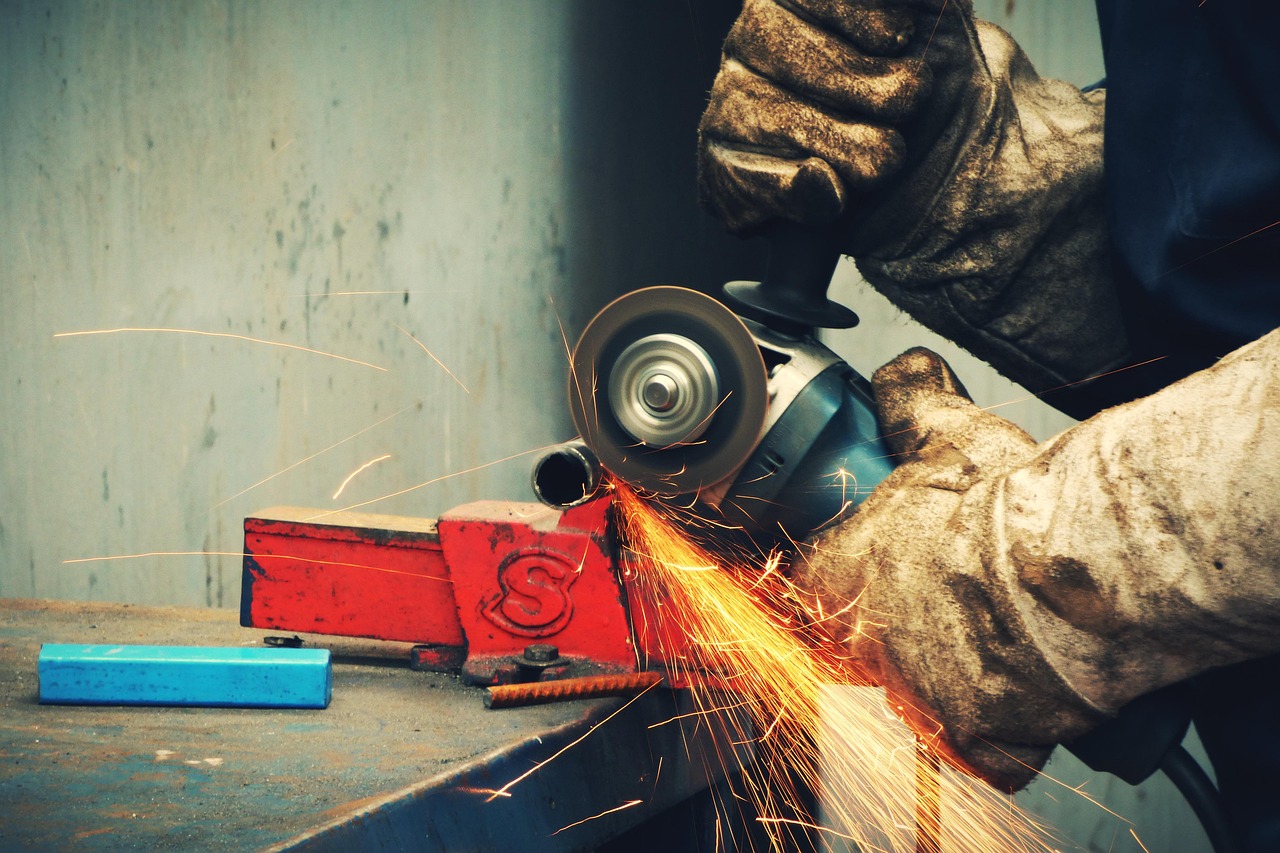
| Heat, welding, and sparks | Leather, aluminized materials, aramid fibers, extended cuffs, heat rating. | Heat protection varies by contact temperature, radiant heat, flame exposure, and exposure time. |
| Cold and wet work | Insulation, waterproof or water-resistant barrier, grip pattern, flexible shell. | Bulky gloves can reduce dexterity and increase handling errors. |
| Impact to fingers or knuckles | ANSI/ISEA 138 impact level, dorsal guards, flexible impact zones. | Impact gloves do not replace guarding, pinch-point controls, or proper material handling methods. |
| Electrical exposure | Rubber insulating gloves and protectors selected under electrical safety requirements. | General work gloves are not electrical insulating gloves. |
Material and coating choices that affect performance
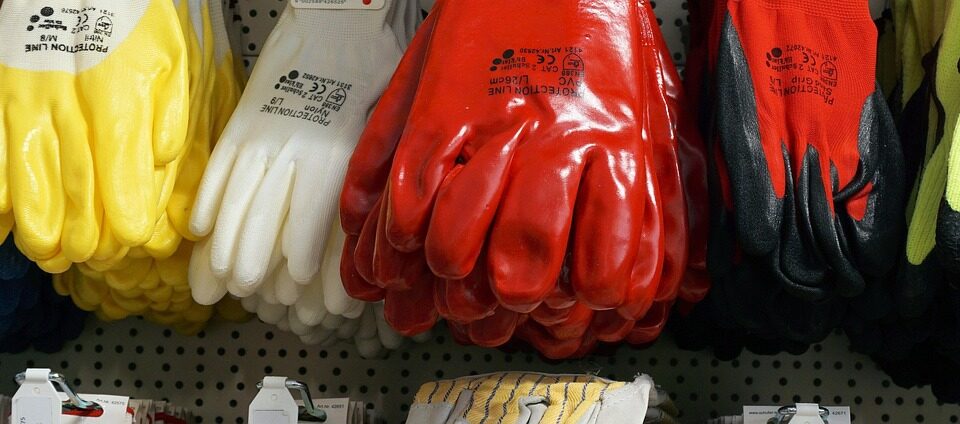
Glove material matters as much as the rating. Leather is widely used for sparks, rough objects, moderate heat, and general durability, especially in welding and heavy handling. Cotton or fabric gloves can reduce dirt, chafing, and light abrasion, but they are not suitable for sharp, heavy, or chemically aggressive materials unless combined with appropriate coatings and verified for the task. See also: automation and controls.
Nitrile coatings are common where grip, abrasion resistance, and oil handling matter. Polyurethane coatings are often selected for light assembly where tactile feel is important. Latex coatings may provide strong dry grip, but latex sensitivity and chemical compatibility must be considered. Neoprene, butyl, nitrile rubber, and other chemical-resistant materials should be selected according to the chemical involved, not on the broad assumption that “rubber protects against chemicals.”
For chemical work, three terms are especially important. Permeation is the movement of a chemical through the glove material at a molecular level. Degradation is physical change such as swelling, cracking, hardening, or softening. Breakthrough time indicates when a chemical begins to pass through under test conditions. A glove can look intact and still be unsuitable if the chemical permeates quickly.
Fit, dexterity, and wear can decide whether protection works
A glove that workers cannot use effectively is unlikely to deliver consistent protection. Oversized gloves can snag, reduce grip, or make controls harder to operate. Gloves that are too tight can restrict movement, fatigue the hand, and reduce willingness to wear them. Cuff length also matters: short cuffs may leave the wrist exposed, while long cuffs can interfere with sleeve systems or contribute to heat stress in some tasks.
Inspection is just as important as the initial selection. OSHA training guidance for hand and arm protection emphasizes that workers should know how to recognize signs of wear such as cracks, scrapes, lacerations, thinning, discoloration, or breakthrough to the skin. Disposable gloves should not be reused beyond their intended limits, and reusable gloves should be cleaned, stored, and replaced according to the manufacturer’s instructions and site procedures.
Special attention is needed around rotating equipment. Loose gloves, frayed material, or inappropriate glove use near rotating shafts, drill presses, conveyors, and similar equipment can introduce entanglement risk. In these situations, the safety decision should be based on machine guarding, lockout procedures, task design, and equipment-specific rules rather than a blanket glove policy.
A practical workflow for selecting gloves
- List the task, not just the department. “Handling stamped metal parts” is more useful than “manufacturing.”
- Identify the injury mechanism. Determine whether the main risk is slicing, abrasion, puncture, chemical contact, heat, cold, impact, or a combination.
- Check applicable standards and data. Use ANSI/ISEA cut, abrasion, puncture, impact, and heat classifications where relevant. For chemicals, use the SDS and glove manufacturer compatibility data.
- Shortlist gloves by performance and fit. Compare ratings, materials, cuff length, grip, liner comfort, and sizing range.
- Field test under controlled conditions. Confirm that workers can grip, move, operate controls, and maintain safe body position.
- Document the decision. Record the task, hazard, selected glove, relevant rating, limitations, and replacement triggers.
- Review after incidents or process changes. New materials, sharper edges, different chemicals, or altered cycle times can make an old glove choice obsolete.
Common mistakes to avoid
- Buying only by cut level. Cut resistance is important, but it does not cover chemicals, impact, temperature, or grip.
- Assuming thicker always means safer. Thickness may improve some types of protection but reduce dexterity and increase fatigue.
- Using disposable exam gloves for industrial chemicals without compatibility data. Thin gloves may fail quickly against certain solvents or aggressive chemicals.
- Ignoring glove condition. A damaged glove may no longer provide the performance shown on its original label.
- Creating a universal glove policy without exceptions. Some tasks require no gloves, specialized gloves, sleeves, or a different control method.
Frequently asked questions
What are industrial safety hand gloves used for?
They are used to reduce hand exposure to workplace hazards such as cuts, abrasions, punctures, chemicals, heat, cold, impact, and certain biological materials. Correct use depends on the task and hazard assessment.
What ANSI cut level should I choose?
There is no single correct cut level for every workplace. A1 to A3 may fit lower-risk handling, A4 to A6 is common for moderate sharp-edge exposure, and A7 to A9 is used for higher-risk severe cut hazards. Selection should also consider grip, dexterity, wear, and the actual material being handled.
Are nitrile gloves chemical-resistant?
Nitrile can resist many oils, greases, and some solvents, but “nitrile” is not a universal chemical protection answer. Chemical name, concentration, contact time, glove thickness, and manufacturer compatibility data all matter.
Can one glove cover cut, chemical, heat, and impact hazards?
Some gloves are designed for multiple hazards, but every added feature involves tradeoffs in flexibility, thickness, grip, cost, and comfort. When hazards are combined, verify each performance claim instead of assuming one label covers everything.
How often should work gloves be replaced?
Replacement depends on glove type, exposure, damage, and manufacturer guidance. Replace gloves when they show cuts, cracks, thinning, chemical degradation, loss of grip, contamination that cannot be safely removed, or any breakthrough to the skin.
Bottom line
The most reliable way to choose industrial safety hand gloves is to start with the hazard, confirm the relevant standard or compatibility data, test the glove under real task conditions, and train workers on limitations and replacement signs. Gloves are an important layer of protection, but they work best when paired with safer processes, guarding, good housekeeping, and clear task-specific procedures.