How material handling systems improve industrial process flow
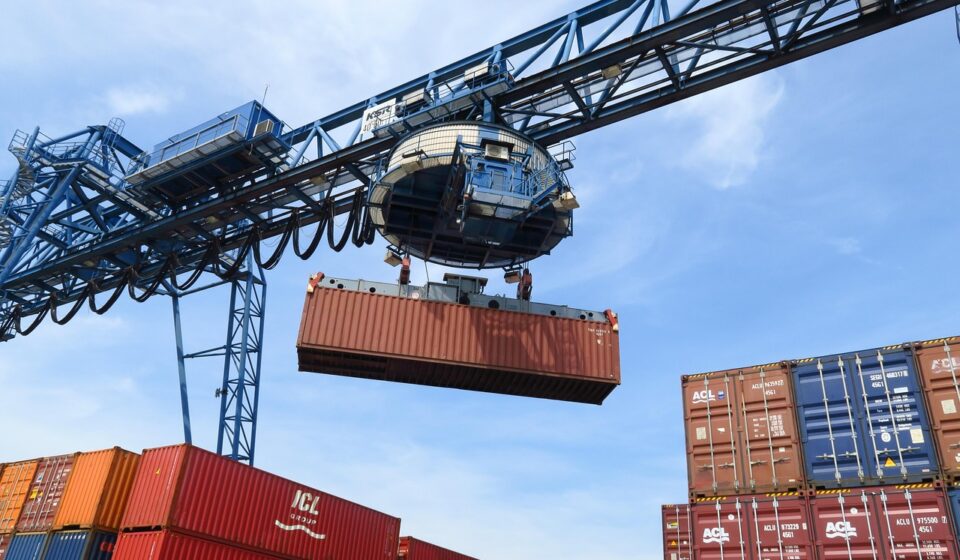
Material handling systems are the link between equipment, labor and throughput
Material handling systems move, store, control and protect materials as they pass through a facility. In an industrial process environment, that means more than conveyors or forklifts. A well-designed system connects receiving, intermediate storage, processing machines, inspection, packaging and shipping so materials arrive in the right condition, at the right rate, with fewer avoidable touches. The practical goal is not speed alone. It is stable flow, safer work, lower damage, better use of space and clearer control of inventory and work-in-process.
For teams evaluating process systems, material handling should be treated as part of the production method, not as an accessory added after the main machines have been selected. Poor handling can limit an otherwise capable line, while balanced handling can reduce downtime, congestion and manual rework.
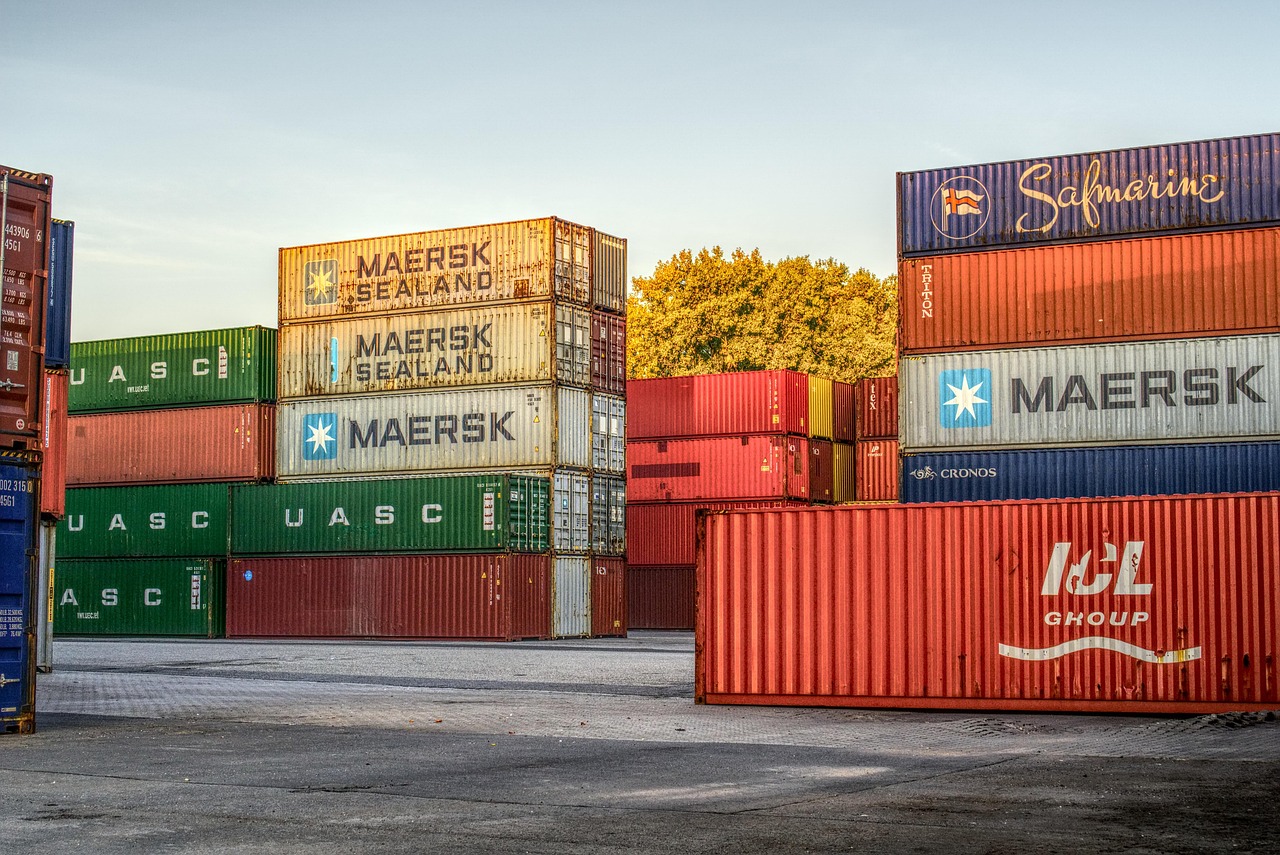
What counts as a material handling system?
A material handling system is any coordinated combination of equipment, controls, procedures and layout used to move or stage materials inside a plant, warehouse or process area. It may handle pallets, cartons, totes, drums, coils, sacks, loose bulk solids, liquids, parts or finished goods. The system may be manual, mechanized, automated or a hybrid of all three.
In practice, most industrial facilities use several handling methods at once. Forklifts may serve receiving and shipping. Conveyors may move parts between workstations. Hoists may lift heavy components into fixtures. Silos, bins, feeders or pneumatic conveying may supply powders or granules to process equipment. Automated storage and retrieval systems may buffer inventory where floor space is constrained.
The word “system” is important. A conveyor without upstream accumulation, downstream clearance, guarding, maintenance access and control logic is only a machine. A true system considers the full route of the material, the people working around it, the information needed to control it and the failure modes that can interrupt production.
Main types of material handling systems and where they fit
The right system depends on material form, route complexity, throughput, floor space, safety risk and the need for traceability. The following comparison gives process and operations teams a practical starting point.
| System type | Best fit | Key limitation |
|---|---|---|
| Conveyors and sortation | Consistent routes, cartons, totes, pallets, parts or packaged goods | Layout changes can be costly if the process is not stable |
| Forklifts and powered industrial trucks | Flexible pallet movement, receiving, storage and shipping | Traffic management, operator training and collision risk require strong controls |
| Cranes, hoists and manipulators | Heavy, awkward or high-value loads that need controlled lifting | Cycle time may be slower than continuous conveying |
| AGVs and AMRs | Repeatable transport tasks with digital dispatching and reduced manual travel | Performance depends on layout discipline, fleet management and safe interaction with people |
| Automated storage and retrieval systems | Dense storage, high SKU control, buffering and restricted floor space | Requires accurate data, suitable load units and maintenance planning |
| Bulk material handling | Powders, pellets, grains, minerals, resin, cement or other loose materials | Material properties, dust control and flow behavior drive design complexity |
Conveyors and feeders
Conveyors are useful when material moves repeatedly along a known path. Belt, roller, chain, screw, vibratory, pneumatic and bucket elevator systems each serve different materials and operating environments. In process industries, feeders are often as important as conveyors because they regulate the rate at which material enters a mixer, mill, furnace, packaging machine, reactor or supporting process.
The main design issue is matching conveyor capacity to the real production rhythm. Oversized conveyors waste energy and space. Undersized conveyors create queues, starve downstream machines and encourage unsafe manual workarounds. Accumulation, transfer points and cleanout access should be designed early, not corrected after installation.
Mobile handling equipment
Forklifts, pallet jacks, tugger trains and tow tractors remain valuable because they are flexible. They can serve changing routes, variable load sizes and low-to-medium frequency moves without fixed infrastructure. OSHA identifies powered industrial trucks under 29 CFR 1910.178, and its guidance consistently emphasizes operator training, safe loading and workplace controls around these vehicles.
The tradeoff is that flexibility can hide inefficiency. If operators are repeatedly traveling long distances, waiting at intersections or moving partial loads, the process may need better zoning, supermarket storage, route scheduling or a more automated transfer method.
Automated transport and storage
Automated guided vehicles, autonomous mobile robots and automated storage systems are increasingly used to reduce travel time, improve dispatching and support labor-constrained operations. MHI industry reporting has repeatedly highlighted automation, robotics and digital supply chain technologies as major themes in material handling investment. ISO 3691-4:2023 is one relevant safety standard for driverless industrial trucks and their systems, including vehicles commonly described as AGVs, AMRs and similar automated carriers.
Automation works best when the facility first standardizes load units, locations, route rules and exception handling. If pallets are inconsistent, labels are unreliable or staging lanes are frequently blocked, automation may expose the weakness faster rather than solve it.
Selection criteria that matter before equipment is specified
Material handling decisions should start with the process, not with a product catalog. The strongest projects document the load, movement, timing and risk profile before equipment is selected. Four criteria usually determine whether the system will perform well over time.
- Material characteristics: Weight, size, shape, fragility, abrasiveness, temperature, moisture, explosibility, hygiene requirements and tendency to bridge, smear, leak or segregate.
- Flow pattern: Point-to-point transfer, loop routing, batch movement, continuous feed, accumulation, sequencing or storage buffering.
- Throughput and variability: Average rate, peak rate, seasonal swings, changeover frequency and tolerance for downtime.
- Facility constraints: Ceiling height, floor loading, aisle width, dock layout, utilities, fire protection, sanitation, maintenance access and future expansion.
One of the most common mistakes is designing around average throughput only. Industrial systems must also survive peak loads, minor stoppages and product changeovers. A line that runs at 80 units per minute on paper may still fail if carts, pallets, bins or operators cannot clear material during a ten-minute downstream interruption.
Safety, standards and risk controls should shape the design
Material handling is closely tied to worker safety because it involves moving loads, stored energy, traffic, pinch points and sometimes combustible or hazardous materials. OSHA’s materials handling guidance notes that handling and storage operations support the continuous flow of materials through the workplace, but improper handling and storage can contribute to injuries. OSHA warehousing guidance also points to hazards such as powered industrial trucks, ergonomics, conveyors, slips, trips and falls, and robotics.
For conveyor systems, practical controls include guarding at pinch points, emergency stops, lockout procedures, safe access platforms, lighting around work areas and clear rules that prevent employees from riding on conveyors. For mobile equipment, facilities need trained operators, marked travel paths, speed control, stable loads, dock safety procedures and separation between pedestrians and vehicles wherever feasible. See also: automation and controls.
Bulk solids introduce additional concerns. Dust collection, housekeeping, explosion protection and ignition source control may be necessary when combustible particulate solids are handled. NFPA has consolidated multiple combustible dust documents into NFPA 660, Standard for Combustible Dusts and Particulate Solids, which makes dust hazard analysis and prevention planning an important topic for facilities handling many powders, fibers or particulate materials.
Safety should not be treated as an afterthought. Guarding, access, controls and maintenance clearances can change equipment spacing, motor locations, transfer height and total installed cost. Addressing these items during layout design is usually less disruptive than retrofitting them after commissioning.
How to evaluate the business case without relying only on labor savings
Labor reduction is often discussed first, but it is not the only reason to improve material handling. In many plants, the larger value comes from lower damage, fewer line stoppages, better inventory accuracy, improved ergonomics, reduced forklift traffic, cleaner work areas and more predictable production scheduling.
A balanced business case should include both direct and indirect measures:
- Travel distance eliminated per shift
- Manual touches removed from each load
- Damage, scrap or rework associated with handling
- Downtime caused by material starvation or blocked discharge
- Inventory accuracy and location visibility
- Space recovered from staging, aisles or excess work-in-process
- Training, maintenance and spare parts requirements
- Energy use and compressed air demand where applicable
For example, a fixed conveyor may look expensive compared with forklifts if the analysis counts only operator hours. The result may change when product damage, traffic congestion, staging space and safety exposure are included. The opposite can also be true: a highly automated solution may not be justified if demand is unstable, routes change often or the load profile has not been standardized.
A practical design checklist for process teams
Before approving a material handling system, engineering, operations, maintenance and safety teams should review the same assumptions. The checklist below can help expose gaps before procurement begins.
- Define every material type, load unit and container that the system must handle.
- Map the route from receiving to storage, processing, inspection, packaging and shipping.
- Calculate average, peak and recovery throughput after a short stoppage.
- Confirm accumulation needs before and after critical machines.
- Check transfer points for spillage, jamming, product damage and cleanout access.
- Review pedestrian routes, forklift aisles, emergency exits and maintenance zones.
- Identify applicable OSHA, ISO, NFPA, sanitary or customer-specific requirements.
- Plan how operators will see alarms, clear faults and restart the system safely.
- Verify that controls can exchange data with production, warehouse or quality systems if traceability is required.
- Document spare parts, inspection intervals and maintenance ownership before startup.
The most resilient systems are not always the most complex. They are the systems with visible assumptions, planned exceptions and operators who understand how to run them safely.
Frequently asked questions
What is the difference between material handling and material handling systems?
Material handling is the activity of moving, storing or controlling materials. A material handling system is the organized combination of equipment, layout, controls and operating rules used to perform that activity consistently.
Are automated material handling systems always better than manual systems?
No. Automation is valuable when routes, loads and data are stable enough to support it. Manual or semi-mechanized systems may be better for low-volume, highly variable or frequently changing operations. The right choice depends on throughput, flexibility, safety risk and total cost.
Which industries use material handling systems?
They are used in manufacturing, food processing, chemicals, mining, logistics, automotive, pharmaceuticals, construction materials, metals, packaging and many other industrial sectors. The equipment changes by industry, but the goal is the same: controlled movement and storage of materials.
What is the first step in improving an existing handling process?
Start by mapping actual material movement, including waiting, staging, rework and empty travel. This often reveals bottlenecks that are not visible in equipment specifications. After the map is complete, the team can decide whether layout changes, scheduling, operator procedures, mechanization or automation will create the highest value.
How do material handling systems affect process reliability?
They affect reliability by controlling when and how material reaches each process step. If handling is inconsistent, machines may be starved, blocked or supplied with damaged material. If handling is balanced, the process can run with fewer interruptions and clearer accountability.