Cooling tower systems explained for industrial process cooling
Why cooling tower systems matter in process cooling
Cooling tower systems are used when an industrial or commercial process needs reliable heat rejection without relying entirely on a once-through water source or an oversized air-cooled exchanger. In practice, a cooling tower transfers heat from warm circulating water to the atmosphere, mainly through evaporation. The cooled water then returns to a chiller condenser, heat exchanger, compressor jacket, furnace system, plastics machine, data center loop or another heat-producing load.
For process facilities, the tower is only one part of the system. Real performance depends on the full loop: pumps, piping, controls, fill, fans, basins, water treatment, filtration, heat exchangers and maintenance routines. A well-managed system can stabilize process temperature and limit avoidable water loss. A neglected system can create scale, corrosion, biological risk, drift, downtime and high operating cost.
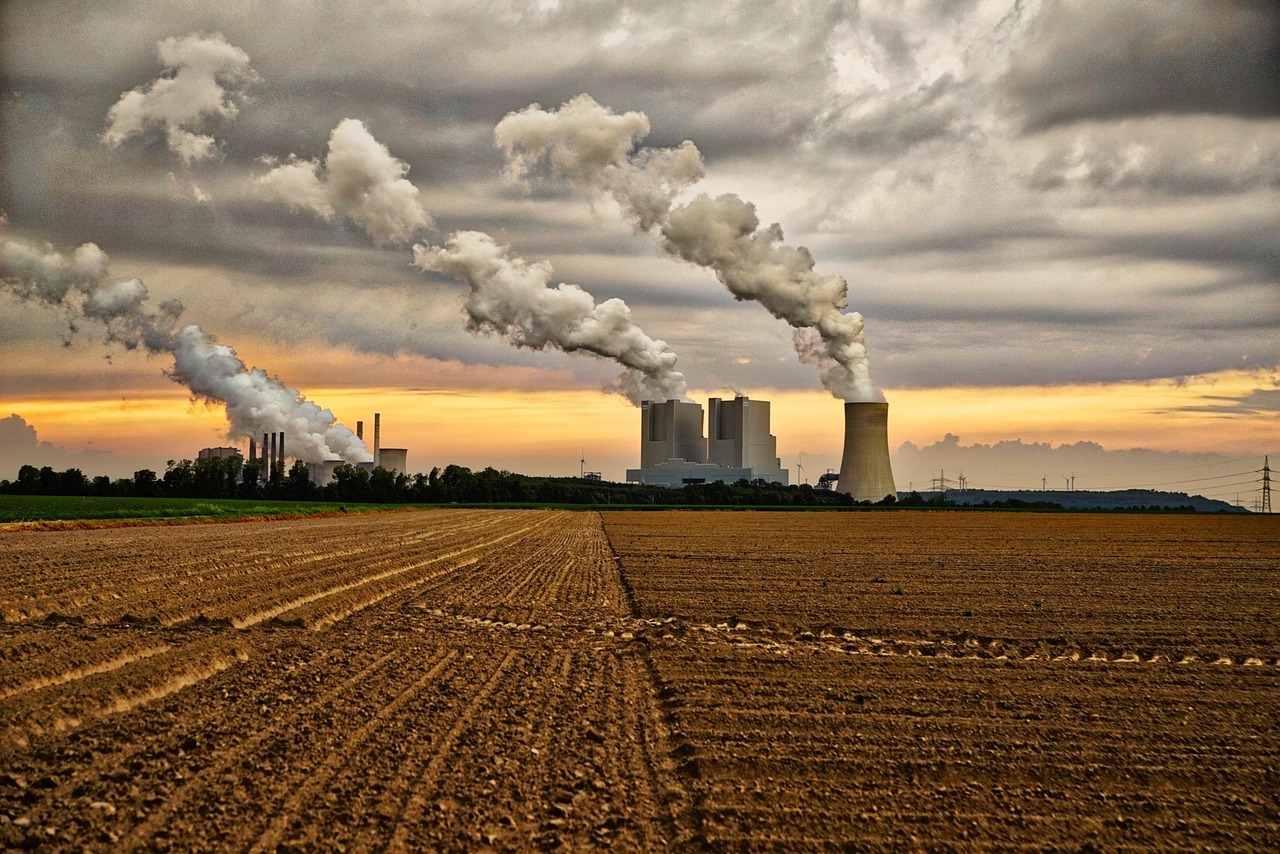
This article focuses on the engineering and operating questions that matter most when evaluating process systems that use evaporative heat rejection.
How a cooling tower system works
A basic cooling tower loop starts when warm process water or condenser water leaves the heat load and enters the tower. The water is distributed over fill material, which increases surface area and contact time. Air moves through the tower by fans or, in large natural-draft applications, by buoyancy. A small portion of the circulating water evaporates. Because evaporation absorbs heat, the remaining water cools and collects in the cold-water basin before being pumped back through the system.
A cooling tower cannot cool water below the outdoor wet-bulb temperature. Wet-bulb temperature reflects the combined effect of air temperature and humidity, which is why tower performance changes by season and location. A tower that performs well in a dry climate may have less temperature margin during humid weather, even when the dry-bulb air temperature looks similar.
Several operating terms appear repeatedly in design work, commissioning and troubleshooting:
- Heat load is the amount of heat that must be rejected from the process or condenser loop.
- Range is the temperature drop across the tower, usually the hot-water temperature minus the cold-water temperature.
- Approach is the difference between the cold-water temperature and the entering air wet-bulb temperature.
- Makeup water replaces water lost through evaporation, blowdown, drift and leakage.
- Blowdown is water intentionally discharged to control dissolved solids.
- Cycles of concentration compare dissolved solids in recirculating water with dissolved solids in makeup water.
The U.S. Environmental Protection Agency and Department of Energy both describe cycles of concentration as an important water-efficiency metric. Higher cycles can reduce blowdown and makeup demand, but only when water chemistry, treatment limits and scaling risk are controlled.
Main types of cooling tower systems
Cooling tower systems are commonly grouped by circuit design, airflow pattern and construction type. These choices affect maintenance, water exposure, thermal performance and installed cost.
Open-circuit cooling towers
In an open-circuit tower, process or condenser water is directly exposed to air. These systems are common because they provide effective heat rejection with relatively simple equipment. The tradeoff is that the circulating water is exposed to airborne contaminants, biological growth potential and evaporation-related mineral concentration. Open systems require disciplined water treatment, basin cleaning, drift control and inspection.
Closed-circuit cooling towers and fluid coolers
A closed-circuit tower keeps the process fluid inside a coil while tower water and air remove heat from the outside of the coil. This arrangement reduces contamination of the process fluid and can be useful where fluid cleanliness, glycol loops or corrosion control are priorities. The spray side still needs water treatment, but the process loop is separated from the open evaporative circuit.
Hybrid and adiabatic systems
Hybrid systems combine wet and dry operating modes. They may reduce visible plume, lower water use during favorable ambient conditions or support facilities where water availability is constrained. Adiabatic coolers pre-cool incoming air with water before heat is rejected through a coil. These designs can be useful, but they require careful lifecycle comparison because water use, fan energy, controls complexity and maintenance differ from conventional towers.
Crossflow, counterflow, induced-draft and forced-draft designs
In crossflow towers, air moves horizontally across falling water. In counterflow towers, air moves upward against falling water. Induced-draft towers place fans near the discharge to pull air through the unit, while forced-draft towers push air into the tower. None of these arrangements is universally better. The right choice depends on thermal duty, footprint, noise limit, freeze exposure, access requirements and expected maintenance practices.
Design factors that decide real-world performance
A common specification mistake is to treat a cooling tower as an isolated commodity item. In service, tower performance is limited by the system around it. A practical specification should connect process heat load, ambient design conditions, hydraulics, water quality and operating strategy.
| Design question | Why it matters | What to verify |
|---|---|---|
| What is the peak and normal heat load? | Oversizing can increase cost; undersizing can raise process temperature or chiller pressure. | Seasonal load profile, not only nameplate equipment capacity. |
| What wet-bulb temperature is used? | Wet-bulb conditions set the practical cooling limit. | Local design weather data and required operating margin. |
| What cold-water temperature is required? | A lower approach usually means more tower surface, airflow or cost. | Process tolerance and chiller condenser requirements. |
| What is the makeup water chemistry? | Hardness, silica, alkalinity and chlorides affect cycles, scaling and corrosion. | Current water analysis and treatment vendor limits. |
| How will the tower be maintained? | Access affects cleaning, inspection, fill replacement and safe service work. | Platforms, isolation valves, basin access and lockout needs. |
Certification and rating should also be reviewed. The Cooling Technology Institute operates certification programs for evaporative heat rejection equipment, and CTI certification is widely used to confirm that a tower line is rated under recognized thermal performance procedures. For owners, this helps reduce the risk of comparing equipment based only on unverified catalog claims.
Water treatment, Legionella control and operating risk
Cooling tower systems need a water management plan because warm water, nutrients, scale and biofilm can create conditions that support microbial growth. Legionella risk is especially important because contaminated aerosols from cooling towers have been associated with outbreaks of Legionnaires’ disease. OSHA, CDC and ASHRAE materials emphasize prevention through system assessment, control measures, monitoring and corrective action rather than occasional cleaning alone.
ASHRAE Standard 188 is commonly referenced for building water system risk management, and ASHRAE Guideline 12 provides additional guidance related to Legionella control. Local rules may add registration, inspection, testing or reporting requirements, especially in dense urban areas. Because requirements vary by jurisdiction, operators should treat national guidance as a baseline and confirm applicable local obligations with qualified professionals.
Water treatment programs usually address four linked problems: See also: automation and controls.
- Scale, which insulates heat transfer surfaces and restricts flow.
- Corrosion, which can damage piping, basins, coils and heat exchangers.
- Biological growth, including algae, slime and biofilm that can reduce performance and increase health risk.
- Solids accumulation, which can foul fill, strainers, nozzles and basin areas.
Typical control methods include conductivity-based blowdown, chemical feed, biocide programs, side-stream filtration, basin cleaning and periodic inspection. The exact program should be based on makeup water quality, metallurgy, operating temperature, process sensitivity and local regulations.
Energy and water efficiency are connected
Cooling towers use both water and electricity, so optimization should not focus on only one utility. A lower condenser water temperature can improve chiller efficiency, but pushing tower fans too hard may waste fan energy. Letting the water temperature rise may save fan energy while increasing compressor power. The best operating point depends on the combined system, not just the tower.
Variable frequency drives on tower fans, staged cells, automatic basin level control, conductivity-based blowdown and smart condenser water temperature reset can all improve control when properly commissioned. Advanced controls are most useful when sensors are calibrated and operators understand the control objective. Poor sensor placement or drifting conductivity probes can lead to unnecessary blowdown, scaling risk or unstable temperature control.
Water efficiency also depends on cycles of concentration. Increasing cycles can reduce blowdown volume, but the ceiling is set by makeup water chemistry and the tolerance of system materials. For example, high hardness or silica may limit cycles unless pretreatment or chemical control is improved. This is why water savings claims should be verified against site-specific water analysis rather than copied from generic estimates.
Maintenance practices that prevent performance loss
Cooling tower maintenance is both mechanical and chemical. Operators should inspect visible components, trend operating data and document corrective actions. A simple inspection route can find small problems before they become outages.
- Check hot-water distribution for clogged nozzles, uneven flow or dry fill areas.
- Inspect fill for fouling, scaling, biological growth or physical collapse.
- Clean strainers and remove basin sediment before it circulates through pumps and exchangers.
- Inspect drift eliminators and louvers for damage or poor fit.
- Verify fan belts, gear drives, motor current, vibration and unusual noise.
- Confirm makeup valves, basin heaters and freeze protection before cold weather.
- Calibrate conductivity, pH and oxidation-reduction potential instruments where used for control.
- Review water treatment logs, microbial test results and corrective action records.
Seasonal shutdown and startup deserve special attention. Stagnant water, offline cells and partially drained basins can create biological and corrosion problems. Before returning a tower to service, operators should follow the site water management plan, clean accessible areas, verify chemical feed and confirm that pumps and fans are safe to operate.
Selection checklist for industrial facilities
Before purchasing or replacing a cooling tower system, engineering and operations teams should align on duty, constraints and lifecycle cost. The lowest first-cost option may become expensive if it is difficult to clean, too noisy, vulnerable to freezing or unable to operate efficiently at part load.
- Define required heat rejection across normal, peak and minimum loads.
- Use credible local wet-bulb design conditions and include future operating margin where justified.
- Compare open, closed, hybrid and dry alternatives on total cost, not equipment price alone.
- Request documented thermal rating basis and review whether CTI-certified models are available.
- Confirm materials of construction against water chemistry, chemical treatment and site atmosphere.
- Plan safe maintenance access before installation, not after the first service problem.
- Evaluate noise, plume, drift and nearby air intake locations.
- Include water treatment, filtration, controls and monitoring in the project scope.
- Check local health, environmental, discharge and building requirements early in design.
For process plants, a strong specification also addresses operation under less-than-ideal conditions. Examples include one cell offline, high wet-bulb weather, reduced makeup water quality, winter operation, turndown load and cleaning intervals. These scenarios help show whether the system is resilient or merely adequate on paper.
Frequently asked questions
What is the difference between a cooling tower and a chiller?
A chiller removes heat from a chilled-water or process loop through refrigeration. A cooling tower rejects heat from condenser water or process water to the atmosphere. In many facilities, the chiller and cooling tower work together: the chiller moves heat to the condenser loop, and the tower rejects that heat outdoors.
Can cooling tower systems operate without chemical treatment?
Some systems use alternative treatment technologies, filtration or pretreatment to reduce chemical demand, but most evaporative systems still need a controlled program for scale, corrosion and biological risk. Any reduced-chemical approach should be validated with water testing, inspection results and the requirements of the equipment manufacturer.
Why does a cooling tower need blowdown?
Evaporation leaves dissolved minerals behind. Without blowdown or another removal method, mineral concentration rises and can cause scale, corrosion or fouling. Conductivity control is commonly used to trigger blowdown at a target concentration range.
Is a closed-circuit cooling tower maintenance-free?
No. A closed-circuit design protects the process fluid from direct air exposure, but the spray water side, fans, basin, coil exterior, controls and treatment program still require maintenance. It reduces some risks; it does not eliminate operating responsibility.
What is the most important specification for a cooling tower?
There is no single universal specification. Heat load, design wet-bulb temperature, required cold-water temperature, water quality, materials, access, controls and regulatory requirements must be considered together. A tower selected on one number alone may fail to meet real operating needs.