Industrial safety helmet selection guide for impact and electrical hazards
Start with the hazard, not the helmet style
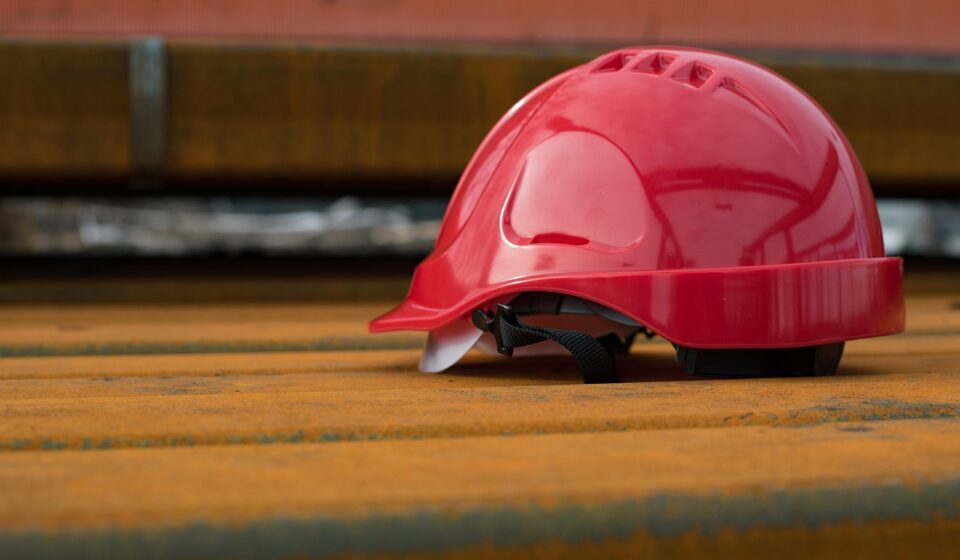
An industrial safety helmet is not a generic accessory. It is personal protective equipment selected after the employer identifies the head hazards present in the work: top impact, falling objects, lateral impact, electrical contact, heat, visibility, and helmet retention. A traditional hard hat may be adequate for some overhead-object risks. On many modern worksites, however, safety teams also evaluate helmets with side-impact protection, chin straps, improved suspension systems, and accessory compatibility.
The practical question is not whether a helmet looks newer. It is whether the marked type, electrical class, fit, and condition match the task. OSHA head protection rules, ANSI/ISEA head protection standards, NIOSH research on traumatic brain injury, and Bureau of Labor Statistics fatality data all support the same basic approach: head protection performs best when it is matched to a documented hazard assessment.
For broader PPE planning, training, and hazard-control context, see the industrial safety section.
Why industrial head protection is changing
Hard hats have been used on industrial and construction sites for decades because they are simple, relatively inexpensive, and effective against many top-impact and falling-object hazards. But not every head hazard comes from directly overhead. Workers may fall from elevation, strike the side of the head against steel, be hit by moving equipment, or lose a helmet while climbing, working in high wind, or reaching in awkward positions.
OSHA’s general industry head protection rule, 29 CFR 1910.135, requires protective helmets where there is potential for head injury from falling objects. It also requires helmets that reduce electrical shock where exposed electrical conductors could contact the head. OSHA’s construction rule, 29 CFR 1926.100, similarly addresses impact, falling or flying objects, electrical shock, and burns. These rules define the employer’s obligation; they do not make the hazard assessment optional.
The issue became more visible when OSHA announced on December 11, 2023, that the agency would move its own employees from traditional hard hats to more modern safety helmets. OSHA described traditional hard hats as mainly protecting the top of the head, while noting that newer safety helmets may offer added side-impact protection and chin straps. That announcement did not automatically require every employer to replace every hard hat, but it did reflect a broader shift toward hazard-based head protection decisions.
The injury background is serious. NIOSH has reported that construction has historically had the greatest number of fatal and nonfatal work-related traumatic brain injuries among U.S. workplaces. For 2003 to 2010, NIOSH reported 2,210 construction worker deaths from traumatic brain injury. In the 2023 Census of Fatal Occupational Injuries, the Bureau of Labor Statistics reported 1,075 fatalities in construction, with falls, slips, and trips accounting for 421 of them. Not every one of these events is a helmet-selection issue, but the data show why head protection should not be treated as a low-priority purchase.
How standards classify an industrial safety helmet
In the United States, industrial head protection is commonly evaluated against ANSI/ISEA Z89.1. OSHA regulations have referenced earlier editions of ANSI Z89.1 and also allow compliance where an employer can demonstrate that a device is at least as effective as equipment built to the listed consensus standards. Safety teams should check both the helmet marking and the regulation or state-plan requirement that applies to the work.
The most common helmet markings describe two separate points: impact type and electrical class. They should not be treated as the same thing.
| Marking | What it generally means | Selection note |
|---|---|---|
| Type I | Designed primarily to reduce force from a blow to the top of the head. | Often used where falling-object or overhead bump hazards are the main concern. |
| Type II | Designed to reduce force from blows to the top and sides of the head. | Consider where falls, side strikes, equipment contact, or moving work positions are credible hazards. |
| Class G | General electrical classification, commonly associated with testing at 2,200 volts. | May be suitable where limited electrical exposure is present, subject to the hazard assessment. |
| Class E | Electrical classification commonly associated with testing at 20,000 volts. | Often selected where higher electrical shock protection from headwear is required, but it is not a substitute for electrical work controls. |
| Class C | Conductive class with no intended electrical insulation protection. | May allow ventilation or special designs, but should not be used where electrical contact is a credible hazard. |
The 2026 edition of ANSI/ISEA Z89.1 adds another comparison point by maintaining Type I and Type II classifications while introducing Type I+ and Type II+ designations for enhanced performance. ISEA describes the 2026 update as including expanded testing for off-center and multi-directional hazards, new retention and stability requirements, standardized chin strap testing, and clearer comparison of protection levels. For employers, the practical lesson is to avoid relying on labels such as hard hat, climbing helmet, or safety helmet alone. The product marking and manufacturer documentation matter more than the marketing name.
Choosing the right helmet for common worksite hazards
A useful selection process starts with a task-based hazard assessment. Walk the job, list credible head hazards, then match each hazard to the required helmet feature. The same facility may need different helmets for electrical maintenance, scaffold work, warehouse picking, confined-space entry, and hot outdoor work.
Overhead objects and dropped tools
Where the primary risk is a falling object from above, a properly rated Type I helmet may be suitable if the electrical class, fit, and condition are also correct. Examples include some warehouse, maintenance, and general industrial areas where workers are exposed to overhead materials but not to side-impact or fall-related head hazards. The helmet should fit securely and be worn as designed, with the suspension adjusted correctly.
Falls, side impacts, and moving work positions
Where a worker may fall, strike the side of the head, work from ladders or lifts, enter congested steelwork, or move under low-clearance structures, Type II head protection deserves serious consideration. NIOSH has explained that lateral impacts can create rotational acceleration of the brain, a mechanism associated with concussion. This does not mean a helmet can make fall protection less important. Guardrails, anchor points, harnesses, planning, and training remain higher-order controls. The helmet is the last protective layer, not the main fall-prevention system.
Electrical exposure
Electrical class must be chosen carefully. Class E and Class G markings refer to helmet electrical performance under specified test conditions. They do not authorize contact with energized conductors, and they do not replace lockout/tagout, arc flash controls, insulated tools, approach boundaries, or qualified-worker requirements. Vented helmets and many accessory attachments can affect electrical suitability, so safety managers should verify the full assembled system, not just the shell.
Heat, ventilation, and long-shift comfort
Comfort is a safety factor because uncomfortable PPE is less likely to be worn correctly. Vented helmets may reduce heat stress and improve wearability, but ventilation can conflict with electrical protection. Full-brim designs may provide shade and rain protection, while cap-style helmets may integrate more easily with face shields or earmuffs. No single design is right for every site, which is why purchasing one helmet for all departments can create hidden mismatches. See also: automation and controls.
Chin straps, retention, and fit
A helmet that comes off during a fall, climb, or awkward movement cannot provide reliable protection. That is why chin straps and retention systems are receiving more attention. NIOSH has noted that, under OSHA and ANSI frameworks, Type I and Type II construction helmets do not automatically require chin straps. However, when a Type II helmet is supplied with a chin strap, the strap must meet requirements specified in the ANSI standard.
Policy should be based on the task, not personal preference. Chin straps are especially relevant where workers climb, work at height, enter shafts or pits, work in wind, operate from aerial lifts, or frequently bend and look upward. A strap that is available but not worn may create a false sense of control. The site rule should state when straps are required, and supervisors should enforce that rule consistently.
Fit should be checked with the same accessories the worker will use during the job. Safety glasses, prescription eyewear, face shields, earmuffs, respirators, winter liners, balaclavas, and communication headsets can all change how the helmet sits. A winter liner that interferes with the suspension, or an earmuff bracket not approved by the helmet manufacturer, can reduce protection. The safest approach is to evaluate the helmet as a complete PPE system.
Inspection, service life, and replacement
Even a correctly selected industrial safety helmet can become unsafe if it is damaged, modified, or used beyond its intended service life. Employers should follow the manufacturer’s instructions for inspection and replacement because materials, shell designs, UV resistance, suspensions, and accessories vary. A fixed replacement interval may help with inventory planning, but inspection still matters before every use.
Remove a helmet from service when there are cracks, deep cuts, dents, brittleness, chalky UV degradation, chemical attack, burned areas, distorted suspension components, missing parts, or damage after a significant impact. A helmet that has absorbed a major blow may need replacement even if damage is not visible. Workers should not drill holes, add unapproved stickers that hide cracks, paint shells, use harsh solvents, or attach accessories unless the manufacturer permits it.
- Check the shell, brim, suspension, adjustment mechanism, and chin strap before use.
- Confirm that the marked type and class still match the assigned task.
- Clean with mild methods recommended by the manufacturer rather than aggressive chemicals.
- Store away from excessive heat, direct sunlight, vehicle dashboards, and chemical exposure.
- Replace suspension components and accessories according to manufacturer instructions.
A practical selection checklist for safety managers
Helmet selection should be documented with the same discipline used for other PPE decisions. The following checklist can help convert standards and injury data into a practical procurement and training process.
- Identify tasks and locations where head protection is required under OSHA rules, company policy, contract requirements, or site-owner rules.
- List the credible hazards for each task, including falling objects, side impact, slips or falls, electrical conductors, heat, chemical exposure, poor visibility, and dropped tools.
- Choose the required impact type, electrical class, retention features, accessory compatibility, and visibility features before evaluating brands or cost.
- Review helmet markings and manufacturer documentation, including ANSI/ISEA edition, type, class, service-life guidance, accessory approvals, and limitations.
- Test fit with actual users and actual accessories, including cold-weather gear and hearing, eye, face, and respiratory protection.
- Write a clear site rule for chin strap use, reverse wearing, stickers, cleaning, storage, and replacement after impact.
- Train workers on why the helmet was selected, how to adjust it, when to inspect it, and when to report or remove damaged equipment.
- Review the policy after incidents, near misses, job changes, new equipment, or updates to consensus standards.
The main trade-off is not simply price. Type II or enhanced helmets may cost more and may feel warmer or heavier than basic models. Some vented designs may not meet the electrical class required for a particular job. A credible program weighs these limitations openly, involves workers in fit and comfort feedback, and avoids overstating what any helmet can do.
Frequently asked questions
Is an industrial safety helmet the same as a hard hat?
Not always. The terms are often used loosely, but the important issue is the marked type, class, and standard compliance. A traditional hard hat often refers to a top-impact design, while many safety helmets include features such as side-impact protection, chin straps, foam liners, or accessory rails. Always verify the actual marking and manufacturer documentation.
When should a worksite consider Type II head protection?
Type II helmets should be considered where side impacts are credible, such as work at height, scaffold and ladder tasks, steel erection, aerial lift work, congested mechanical spaces, and areas with moving equipment or awkward body positions. The decision should be part of a written hazard assessment rather than a blanket assumption.
Are chin straps required on all safety helmets?
No. OSHA and ANSI frameworks do not automatically require chin straps on every Type I or Type II helmet. However, a site policy may require them for specific tasks, and they are often important where a helmet could be dislodged. If the helmet is supplied with a chin strap, use and maintain it according to the manufacturer’s instructions.
Can a vented Class C helmet be used near electrical hazards?
A Class C helmet is not intended to provide electrical insulation protection. It may be appropriate for some hot environments where ventilation is important, but it should not be selected where contact with exposed electrical conductors is a credible hazard.
How often should industrial safety helmets be replaced?
There is no single universal replacement interval for every helmet. Follow the manufacturer’s service-life guidance and replace helmets sooner when inspection shows damage, degradation, missing parts, chemical exposure, or impact history. A helmet replacement policy should include both scheduled review and user inspection before each use.